Understanding Customer Pain Points: Key to Successful Business Operations
As a business owner or marketer, one of the most important things you need to understand is customer pain points. A pain point refers to the specific problem or issue that a potential customer is experiencing. By identifying these pain points and addressing them, you can provide solutions that meet your customer’s needs and increase their satisfaction.
In this blog post, we’ll be discussing the main types of pain points that customers face, how to identify them, and how to address them effectively.
Financial Pain Points
The first type of customer pain point that customers face is financial. This can include issues such as high prices, hidden fees, and unexpected costs. Customers want to feel like they are getting a good deal, and if they feel like they are overpaying or getting ripped off, they will be less likely to do business with you.
To address financial pain points, you need to be transparent about your pricing and any additional costs. Offer discounts or promotions to entice customers to make a purchase, and strive to provide value for their money.
Productivity Pain Points
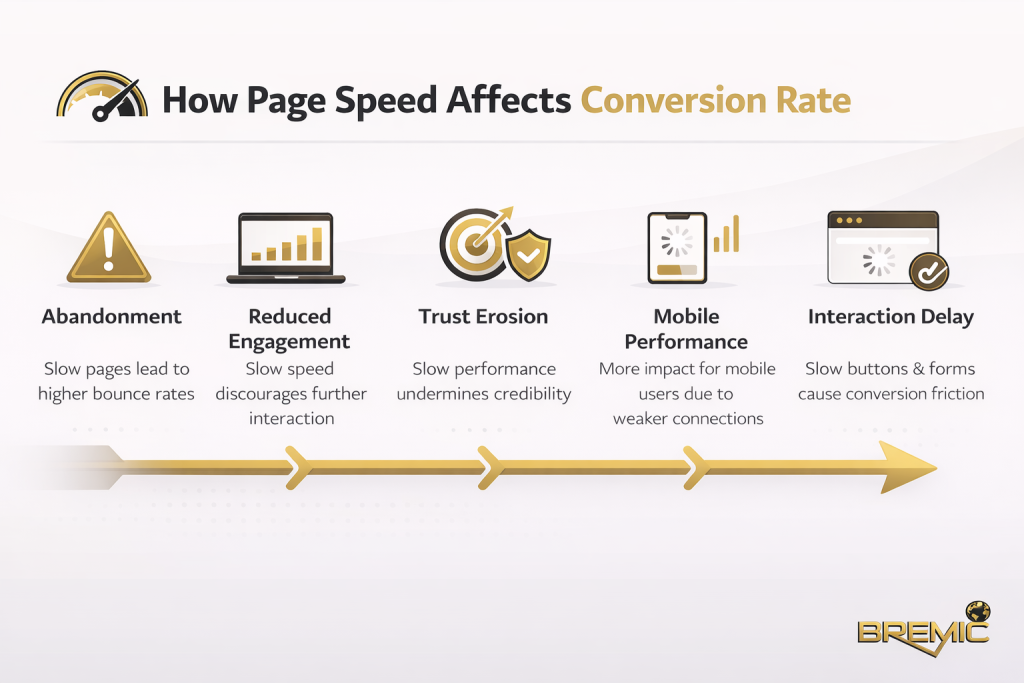
The second type of pain point is productivity. This refers to anything that hinders a customer’s ability to complete a task efficiently. Think slow loading times, complicated interfaces, or insufficient software. If your product or service is causing more frustration than productivity, it’s a surefire way to lose customers.
To address productivity pain points, you need to ensure that your solution is user-friendly, easy to use, and quick. Offer training or support to help customers get up to speed, and be open to feedback to improve your product or service.
Process Pain Points
The third type of pain point is process-related. This can include anything from long wait times, complex processes, and lack of communication. If a customer feels like they have to jump through hoops to complete a purchase or get an issue resolved, they’ll likely look elsewhere.
To address process pain points, you need to streamline your processes and communicate clearly with your customers. Offer multiple channels for them to contact you and make sure you have a team in place to respond quickly and efficiently.
Support Pain Points
Finally, support pain points refer to anything related to customer support. If a customer has an issue or complaint and feels like they are not being heard or supported, they will quickly become dissatisfied.
To address support pain points, you need to have a robust customer support system in place. This can include offering 24/7 support, multiple channels for communication, and knowledgeable support representatives who can address issues quickly and efficiently.
Conclusion
In conclusion, understanding customer pain points is crucial to the success of any business. By identifying and addressing these pain points, you can provide solutions that meet your customer’s needs, increase their satisfaction, and ultimately drive revenue.
Remember, pain points are diverse and varied, and likely unique to each potential customer. By keeping an open mind, listening to feedback, and continually improving your product or service, you can ensure that you are providing the best possible experience for your customers.