Social network

Exit Rate

Fallback image - f2f2f2

Understanding Exit Rate in Digital Marketing

In digital marketing, measuring website traffic analytics is crucial in determining how to improve a website’s performance. The exit rate is one of the metrics used in website analytics that measures the percentage of visitors who leave a website after visiting a specific page. Although it may seem like a negative metric, understanding exit rates is essential in identifying website weaknesses and creating a better experience for visitors. In this blog post, we will dive deeper into what exit rates are, how they differ from bounce rates, and how to use them to improve website performance.

Exit Rates vs Bounce Rates

Exit rates are often confused with bounce rates. While they may seem similar, they measure two different things. An exit rate measures the number of visitors who leave a website from a specific page, while a bounce rate measures the number of visitors who leave a website without visiting any other page. A high bounce rate could indicate that visitors didn’t find the information relevant or engaging, while a high exit rate could indicate that visitors may have found the information helpful but are leaving the specific page to continue on their browsing journey. Therefore, it is essential to measure both metrics to get a clear picture of the visitors’ behavior.

How to Determine Exit Rates?

To calculate exit rates manually, you take the total number of exits and divide it by the total number of page views. For example, if a page was viewed 100 times, and 30 people exited, the exit rate would be 30%.

Now, you might be wondering if every high exit rate is bad. The answer is not necessarily. A high exit rate may indicate that visitors found the page they were looking for and are off to continue browsing their needs, or it could mean they found what they were looking for on that specific page and no longer required further browsing. However, a high exit rate in combination with a high bounce rate may indicate a low-quality page that needs improvement to retain visitors.

Using Exit Rates to Improve Website Performance

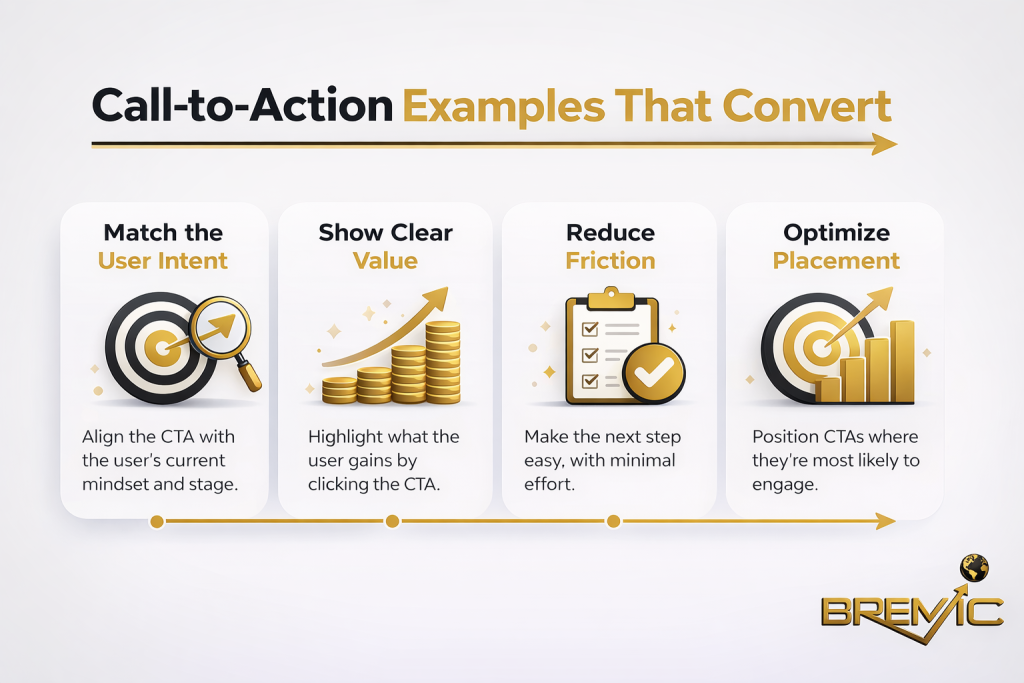
Knowing the pages with high exit rates allows you to identify weaknesses in the website that need improvement. You can then use this data to adjust the page layout or content, making it more engaging and informative for visitors. For example, you can add a call-to-action button on the page, distracting visitors from leaving by showing them more content relevant to their interests. Alternatively, you can optimize the content by adding visuals, links, or videos that will keep visitors engaged for a more extended time.

Conclusion

The exit rate metric provides valuable insights into the visitor behavior on your website. High exit rates do not necessarily equate to negative aspects of a website but can help identify areas for improvement. Analyzing exit rates, alongside bounce rates and other website metrics, can help digital marketers understand visitor tendencies better, identify the weak points, and ultimately create a better website experience for visitors.
Share this post :

Facebook
X
LinkedIn

Recent Posts

Other topics you may be interested in

Digital Marketing Strategies

Understanding the Key Elements of Digital Marketing Strategies In today’s digital age, having a strong online presence is essential for businesses to survive and thrive. With so much competition in the digital space, it is crucial for businesses to have a strategic plan in place for their digital marketing efforts. This is where digital marketing strategies come into play. Digital

Read More »

Facebook Audience Insights

A Comprehensive Guide to Facebook Audience Insights In today’s digital age, social media has become a powerful tool for businesses to connect with their audience. Facebook, being one of the most widely used social media platforms globally, has developed Facebook Audience Insights to assist marketers in reaching their target audience. This powerful tool provides valuable insights to businesses concerning their

Read More »

Accessibility

The Importance of Web Accessibility in 2021: A Complete Guide to Designing Accessible Websites In this age of technology, web accessibility has become an increasingly important topic. Accessible design means that people with visual, hearing, and physical disabilities can access and navigate a website with ease. It’s not only a matter of inclusivity but also a legal requirement for businesses.

Read More »

Meta Descriptions

All You Need To Know About Meta Descriptions In today’s world of digital marketing, the competition to get your webpage at the top of the search results pages is fierce. Even with an excellent SEO strategy and high-quality content, there are still a lot of factors to consider. One of those key factors is the meta description. In this blog

Read More »
triangle-arrow
Web Design & Development Services

Build a strong digital foundation with our end-to-end website services.

Web Design

Crafting visually appealing, user-friendly websites that reflect your brand identity.

Web Development

Building functional, responsive, and secure websites that perform seamlessly.

Domain Registration

Securing your unique domain name for a professional online presence.

Web Hosting

Providing reliable and fast hosting solutions to keep your website online 24/7.

triangle-arrow
SEO Services

Services that help your website rank higher on search engines and attract organic traffic.

SEO

Improving visibility through on-page, off-page, and technical SEO.

Keyword Research

Identifying high-value keywords to drive relevant traffic and conversions.

Local SEO

Targeting local audiences to increase visibility in regional search results.

SERM

Manage and protect your brand’s online reputation.

triangle-arrow
Digital Marketing & Growth Services

Services designed to promote your brand, engage your audience, and increase conversions.

Content Marketing

Creating and distributing valuable content to attract and retain customers.

Social Media Marketing & Optimization

Growing your brand presence across social platforms and engaging your audience.

Search Engine Marketing (SEM)

Using paid ads to appear at the top of search results and drive targeted traffic.

Conversion Rate Optimization (CRO)

Enhancing website performance to turn more visitors into customers.