A hotel website redesign in Hua Hin is not just a visual exercise. For hospitality brands in a competitive destination, the website has to do three jobs at the same time: present the property clearly, support search visibility, and remove friction from the booking journey.
That balance is where many redesign projects go off course. Hotels often invest heavily in new layouts, photography, or branding updates, but still leave core performance issues unresolved. Slow pages, unclear room information, weak internal structure, thin location targeting, and poor mobile usability can all limit the value of the redesign.
This case study looks at what a hotel website redesign in Hua Hin should solve from a strategic SEO and content perspective. Rather than treating the site as a digital brochure, the focus is on how structure, content, and UX decisions work together to improve visibility, trust, and conversion quality. For more examples of strategic web and SEO projects, see Bremic’s case studies.
Why a hotel website redesign in Hua Hin needs a different approach
Hua Hin is not a generic local market. It is a destination-driven search environment where users compare multiple properties, room types, amenities, nearby attractions, and booking options before they take action.
That changes the role of the website.
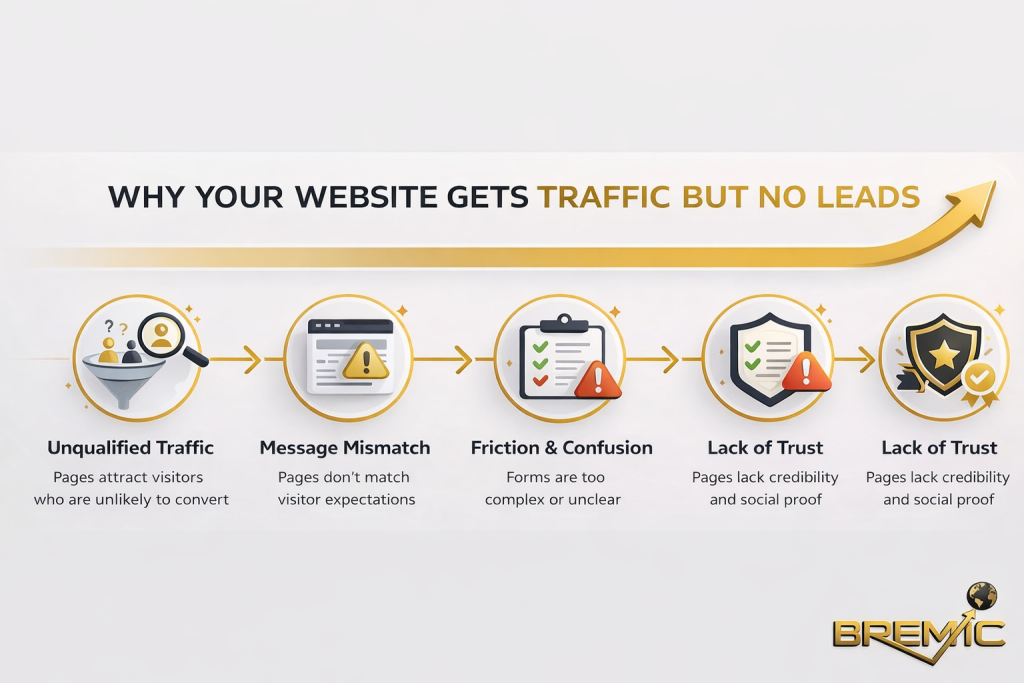
A hotel in Hua Hin is not only competing on brand recognition. It is also competing in search results against OTAs, travel blogs, map listings, review platforms, and other hotel websites that may be targeting the same local-intent queries. A redesign that focuses only on aesthetics can easily miss the underlying reasons users do not convert or why the site does not rank well.
In this context, the website needs to support several layers of intent:
- users looking for a hotel in Hua Hin generally
- users comparing room types and amenities
- users checking location relevance, such as beach access or proximity to attractions
- users validating trust through visuals, service detail, and property information
- users ready to book directly if the process feels simple and credible
A redesign that does not account for those intent layers will usually look better than the previous version without performing significantly better.
What this kind of redesign should actually solve
A serious hotel website redesign in Hua Hin should begin with business and search problems, not with design preferences alone.
In practical terms, most hotel redesign projects need to address issues such as:
Weak information architecture
Many hotel websites bury important pages under vague navigation labels or flatten everything into one long homepage. That makes it harder for users to find what they need and harder for search engines to understand page purpose.
A stronger structure usually separates and clarifies pages such as rooms, dining, facilities, offers, meeting or wedding services, location, and contact information. Each page should have a clear role instead of competing with the homepage for the same terms.
Incomplete room and amenity pages
One of the most common problems in hospitality websites is thin room content. A room page should do more than display a few photos and a short paragraph. It should explain who the room is for, what the layout offers, what amenities matter, and how that option differs from other room categories.
The same applies to facilities. Pools, restaurants, spas, family services, event spaces, and transport details often deserve dedicated content when they affect user decision-making.
Poor mobile booking paths
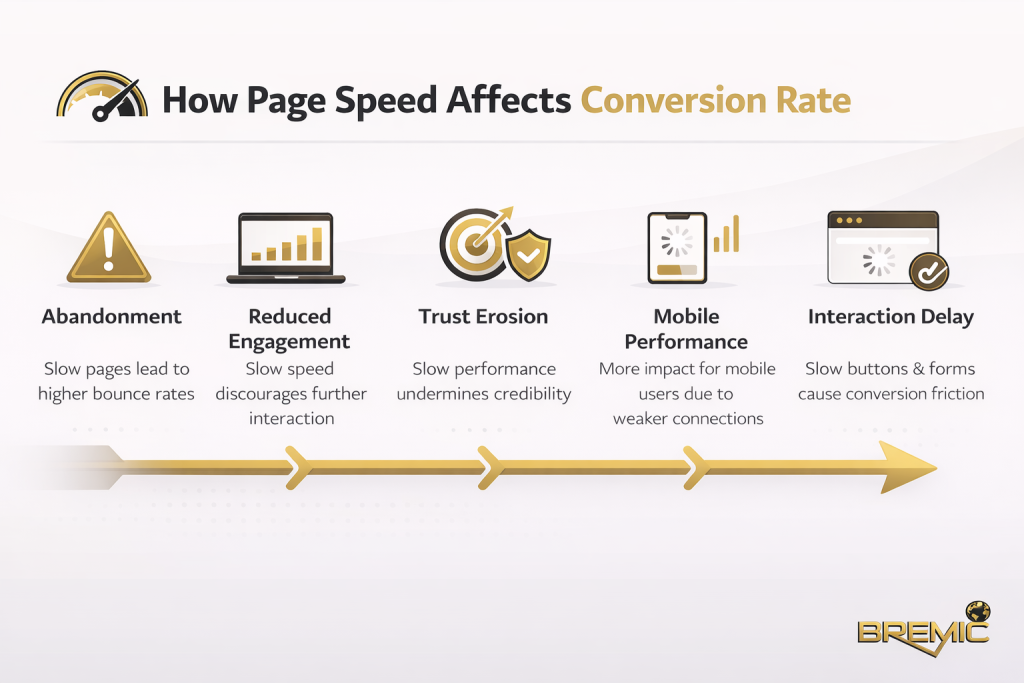
For many hotels, mobile traffic dominates discovery. If the redesigned site looks polished on desktop but still makes users pinch, scroll excessively, or jump between disconnected interfaces, the redesign has not solved the real problem.
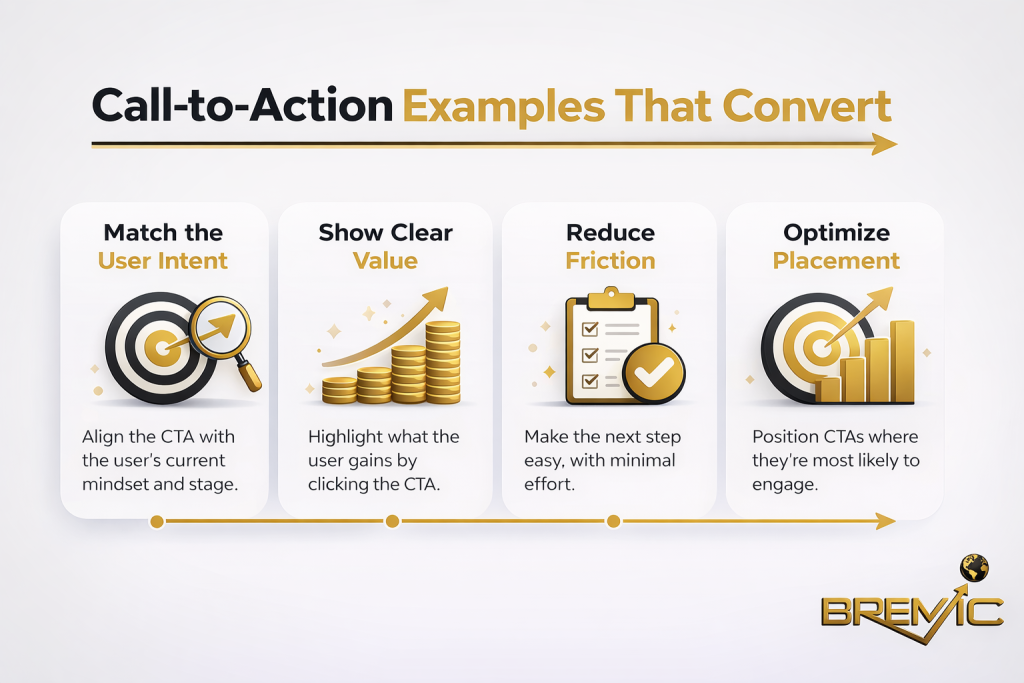
Mobile-first thinking matters most on room pages, offer pages, and booking-entry points. Clear call-to-action placement, readable content blocks, fast image handling, and a consistent path to reservation are all more important than decorative effects.
Weak local relevance
A hotel in Hua Hin should not rely on the homepage alone to establish location relevance. Search engines need clearer signals about where the property is, what type of stay it offers, and which local intents it serves.
That does not mean stuffing location terms into every paragraph. It means using location naturally where it helps users: in page titles, contextual headings, nearby attractions content, map and access details, and supporting pages that reflect actual guest questions.
The SEO priorities behind the redesign
From an SEO perspective, a hotel website redesign in Hua Hin should improve more than rankings for one keyword. The goal is usually to build a site that can support long-term visibility across branded, non-branded, and commercial-intent searches.
Clear page targeting
Each important page should have a defined search role.
The homepage may target broader brand and category relevance. Room pages can support more specific room-related searches. Location content can help capture destination-oriented queries. Meeting, wedding, spa, dining, or family-stay pages may support narrower but commercially meaningful search intent.
Without that clarity, multiple pages often cannibalize each other or fail to rank because none of them provide a focused signal.
Better internal linking
Internal linking is often overlooked in hotel redesign projects, even though it plays a major role in both SEO and usability.
A good redesign creates natural paths between the homepage, room pages, offer pages, facility pages, and local-area content. For example, a room page may link to amenities, dining, or booking-related content when relevant. A local-area page may support both destination relevance and user confidence for travelers who are unfamiliar with Hua Hin.
The point is not to add links mechanically. It is to reinforce relationships between pages so both users and search engines understand the structure of the site.
Stronger on-page signals
Hospitality sites often underuse basic on-page optimization. Titles, headings, image alt text, meta descriptions, and page copy are sometimes written purely for brand tone, without enough clarity about page purpose.
A better approach is precise and restrained. Each page should communicate what it is about, who it is for, and why it matters. That improves crawl understanding without turning the site into an SEO checklist.
Content decisions that make the redesign more effective
Design can improve first impressions, but content carries most of the burden once the user starts evaluating the hotel seriously.
For a hotel website redesign in Hua Hin, strong content usually includes the following elements.
Room descriptions that help people compare options
Users do not only want attractive images. They want clarity. Room pages should answer practical questions: bed configuration, occupancy, room size, view, bathroom setup, included amenities, and suitability for couples, families, or longer stays.
Good room content reduces hesitation because it helps users decide without guessing.
Location content that supports both trust and search
A location page should do more than embed a map. It should explain access, nearby landmarks, transport expectations, beach distance where relevant, and what staying in that part of Hua Hin is actually like.
This kind of content improves local relevance for search while also helping users feel more confident before booking.
Facilities and service pages with real utility
If a property offers meaningful amenities, those should be documented properly. Restaurants, pools, wellness services, event spaces, and family features can each influence whether a user moves forward.
Thin facility blurbs usually do not help. Clear, useful service pages are far more effective than trying to force all details onto the homepage.
Common redesign mistakes in hotel projects
Even well-funded redesigns can underperform when the strategic foundation is weak.
One common mistake is merging too much content into a visually impressive homepage. This often creates a site that feels modern but gives search engines very little page-specific relevance and gives users very few clear next steps.
Another mistake is rewriting content to sound more upscale while removing the specific information guests actually need. Elegant wording does not replace clarity.
A third issue is launching a redesigned site without redirect planning, URL mapping, or a review of legacy SEO equity. If valuable pages are removed or changed carelessly, rankings and organic traffic can decline even if the new site looks significantly better.
There is also a tendency to treat the booking engine as separate from the main website experience. In practice, users do not think that way. If the transition to booking feels abrupt, untrustworthy, or hard to use, the redesign still has a conversion problem.
Strategic recommendations for a hotel website redesign in Hua Hin
A more effective redesign usually starts with a practical audit, not a creative concept. That means reviewing the current site structure, identifying pages that already attract traffic, mapping user intent, and deciding which content deserves dedicated landing pages.
From there, the redesign should prioritize:
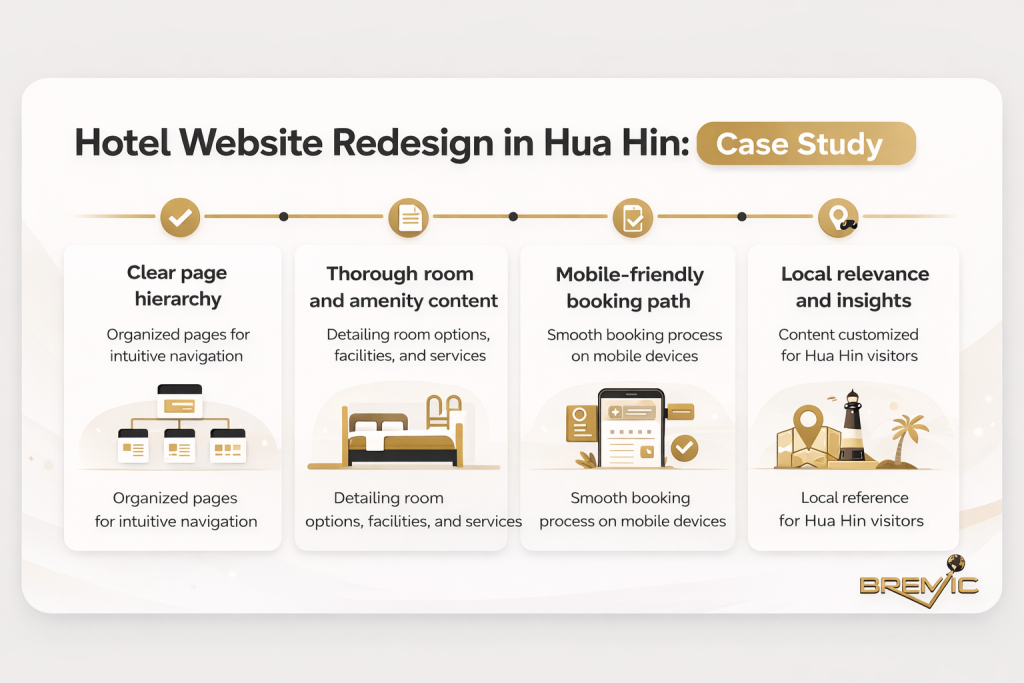
- a clear page hierarchy
- focused page purposes
- strong room and facility content
- mobile-first UX decisions
- natural local relevance
- careful migration and redirect handling
- internal linking that supports both discovery and SEO
It is also worth aligning the redesign with broader content strategy. A hotel website should not operate as a closed system. Supporting case studies, service pages, and strategic content around web design and SEO can help strengthen the site’s authority over time. That is one reason it makes sense to connect this topic with Bremic’s broader case study work in a structured way.
What realistic results look like
A hotel website redesign in Hua Hin should not be judged only by whether the site looks cleaner after launch.
The better test is whether the redesigned site makes the hotel easier to understand, easier to find, and easier to book. In SEO terms, that may show up as improved page relevance, stronger organic visibility across supporting queries, better engagement on key landing pages, and a clearer path from discovery to booking intent.
Those outcomes do not come from design alone. They come from making the site structurally sound, content-rich where needed, technically stable, and aligned with how travelers actually search and decide.
Final takeaway
The strongest hotel website redesign projects in Hua Hin are not driven by visuals first. They are driven by intent, structure, and clarity.
A redesign should help search engines understand the site better, help users compare the property with confidence, and support direct commercial action without unnecessary friction. When those elements are planned together, the website becomes more than a refreshed brand asset. It becomes a stronger acquisition and conversion platform.
That is the real value of a strategic hotel website redesign in Hua Hin.