A business website is rarely judged on design alone. The real question is whether it helps the business communicate clearly, earn trust, generate enquiries, and support long-term visibility in search.
That is why the topic matters. When companies ask what-features-does-a-business-website-need, they are usually trying to solve more than one problem at once. They want a site that looks credible, performs well, is easy to manage, and does not become a liability six months after launch.
The answer is not a long wishlist of trendy add-ons. A strong business website needs the right foundation: clear structure, useful content, technical reliability, conversion-focused pages, and a sensible Web Development approach that supports growth over time.
This article explains which features matter most, why they matter, and how to prioritize them strategically.
What Is Web Development?
Web Development is the process of building, maintaining, and improving a website so it functions properly for users and search engines.
In practical terms, it includes much more than writing code. For a business website, Web Development covers:
- site architecture
- page speed and performance
- mobile responsiveness
- technical SEO foundations
- content management capabilities
- security and maintenance
- integrations such as forms, CRM tools, analytics, and booking systems
This matters because a website is not just a digital brochure. It is an operating asset. It supports marketing, sales, customer trust, lead generation, and brand positioning. Good Web Development makes those outcomes easier. Poor development makes even strong branding and content less effective.
Why the Right Website Features Matter
A business website needs features that serve both users and business goals.
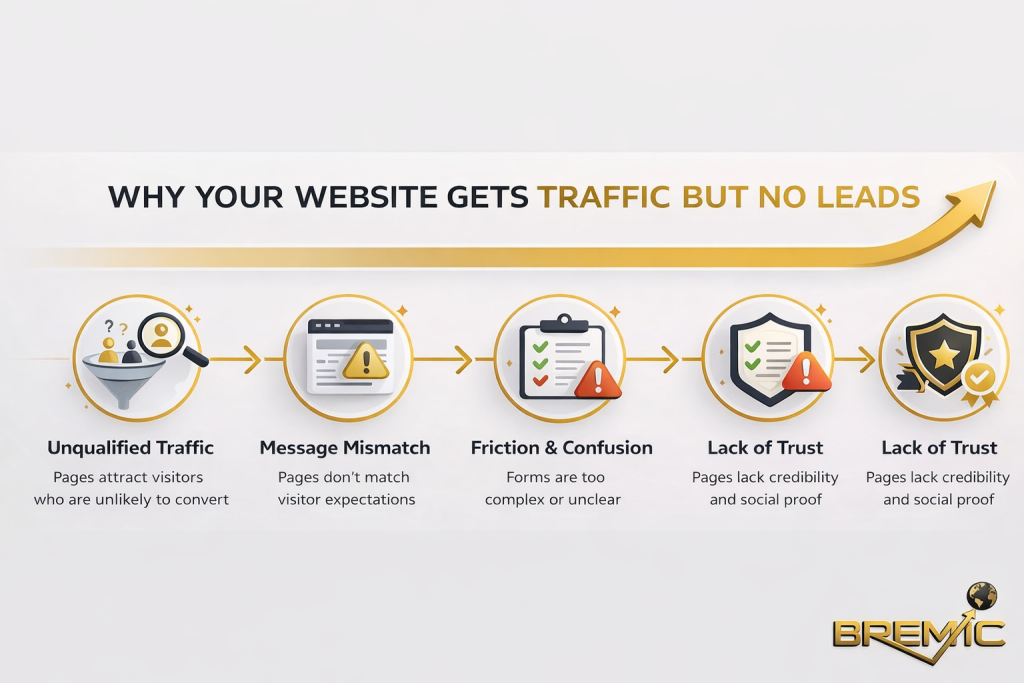
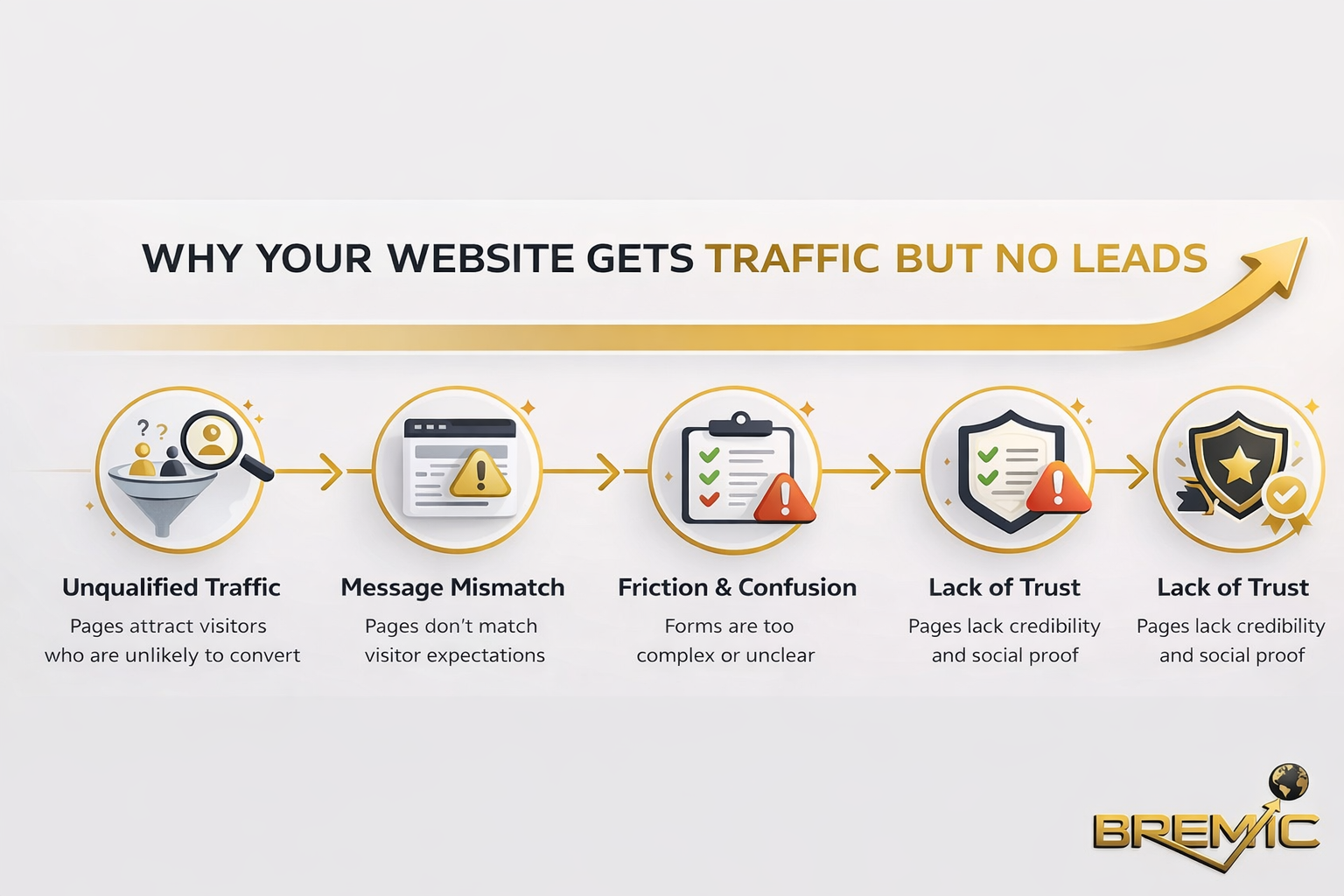
From an SEO perspective, the wrong setup can limit crawlability, weaken internal linking, slow down pages, and reduce relevance signals. From a conversion perspective, missing trust elements, poor navigation, or weak calls to action can waste traffic that the business has already worked to earn.
The best-performing sites usually do not win because they have the most features. They win because the essential features are implemented well and work together.
A useful way to think about this is to divide website features into four categories:
- credibility features
- usability features
- conversion features
- performance and technical features
A serious business website should cover all four.
The Core Features Every Business Website Needs
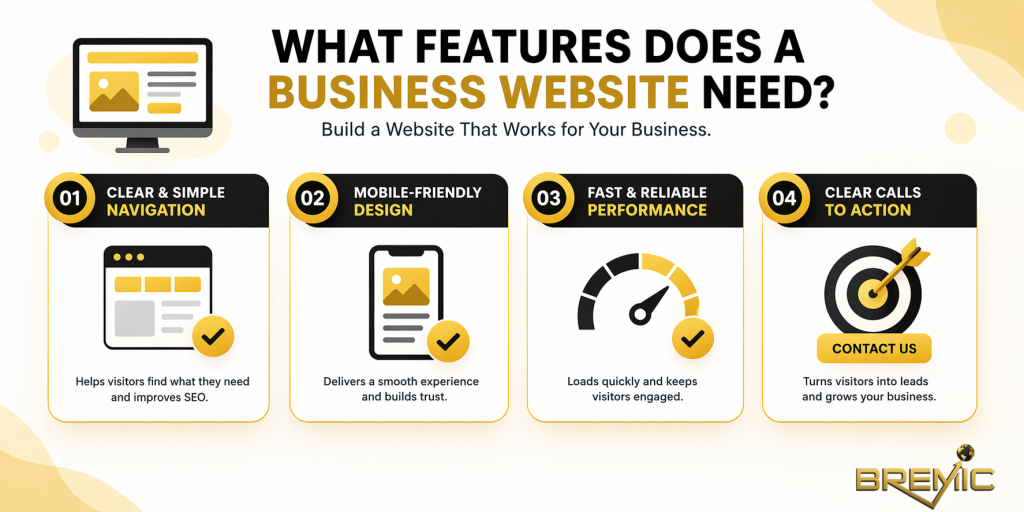
Clear Navigation and Site Structure
One of the first answers to what-features-does-a-business-website-need is a clear navigation system.
Visitors should be able to understand what the business does, who it serves, and where to go next within seconds. That usually means:
- a simple main navigation
- logical page hierarchy
- clear service or product categories
- an accessible contact path
- supporting internal links between related pages
For SEO, this also helps search engines understand the relationship between pages. Strong site structure supports topical authority because it allows key service pages, industry pages, and supporting content to reinforce each other rather than compete.
What good structure looks like
A well-structured business website usually includes a homepage, core service pages, about page, contact page, and supporting informational content. If the company has multiple services or locations, those should be organized intentionally rather than added randomly over time.
Mobile-Responsive Design
A business website must work properly on mobile devices. That is no longer optional.
Responsive design affects usability, trust, and search performance. If users have to pinch, zoom, or struggle with menus and forms, the site creates friction at the exact moment someone is evaluating the business.
Mobile responsiveness is also part of sound Web Development because it forces the team to think carefully about layout, page hierarchy, and content priority.
Fast Page Speed and Solid Performance
Speed is not just a technical metric. It shapes perception.
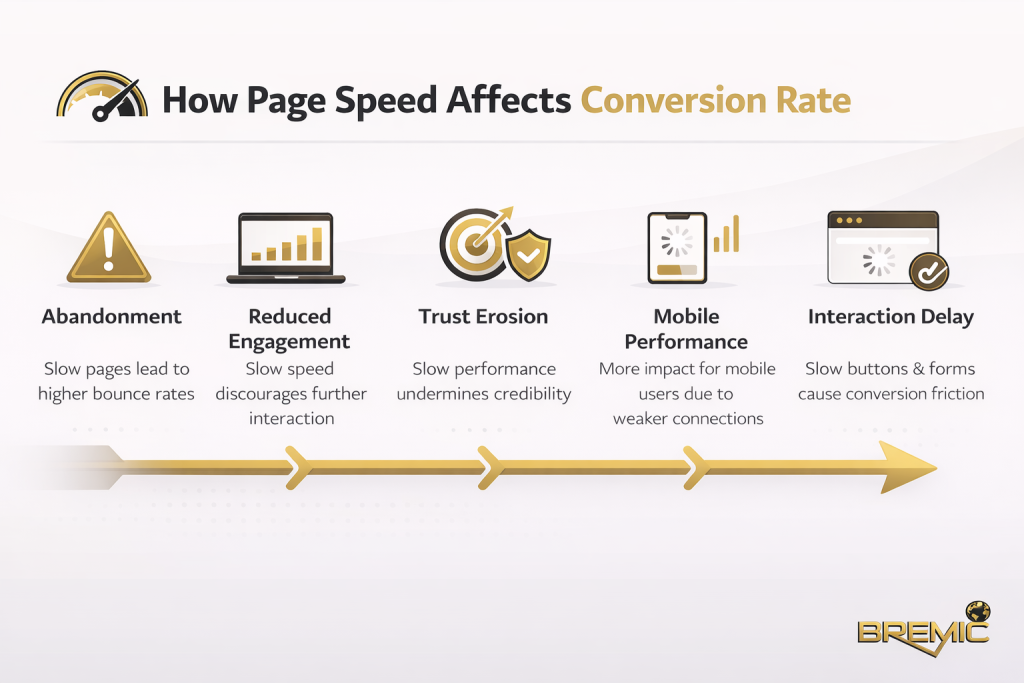
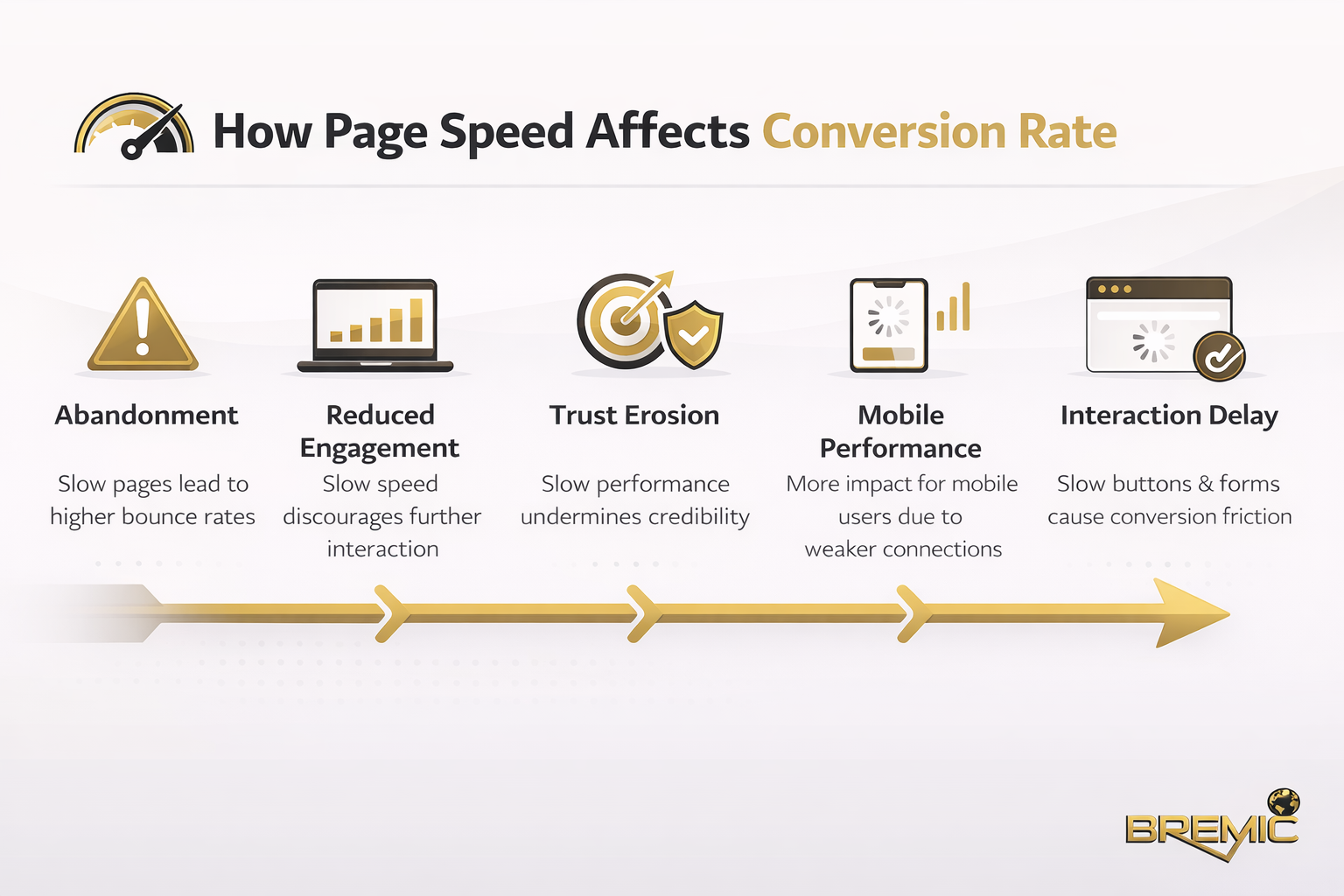
A slow website can make a business feel outdated or unreliable, especially for first-time visitors. It can also reduce engagement, hurt conversions, and weaken SEO performance.
Important performance features include:
- optimized images
- clean code and scripts
- reliable hosting
- caching
- limited reliance on unnecessary plugins
- stable page layout during loading
Not every business needs an advanced technical stack, but every business site needs dependable performance.
Clear Messaging Above the Fold
If the website does not immediately explain what the business offers, who it helps, and what action the visitor should take, the rest of the page has to work much harder.
That means the homepage and key landing pages need:
- a clear headline
- concise value proposition
- supporting copy that removes ambiguity
- a visible next step, such as contact, quote request, consultation, or booking
This is often overlooked because businesses focus on design before messaging. In practice, the messaging is one of the most important website features because it influences bounce rate, engagement, and conversion quality.
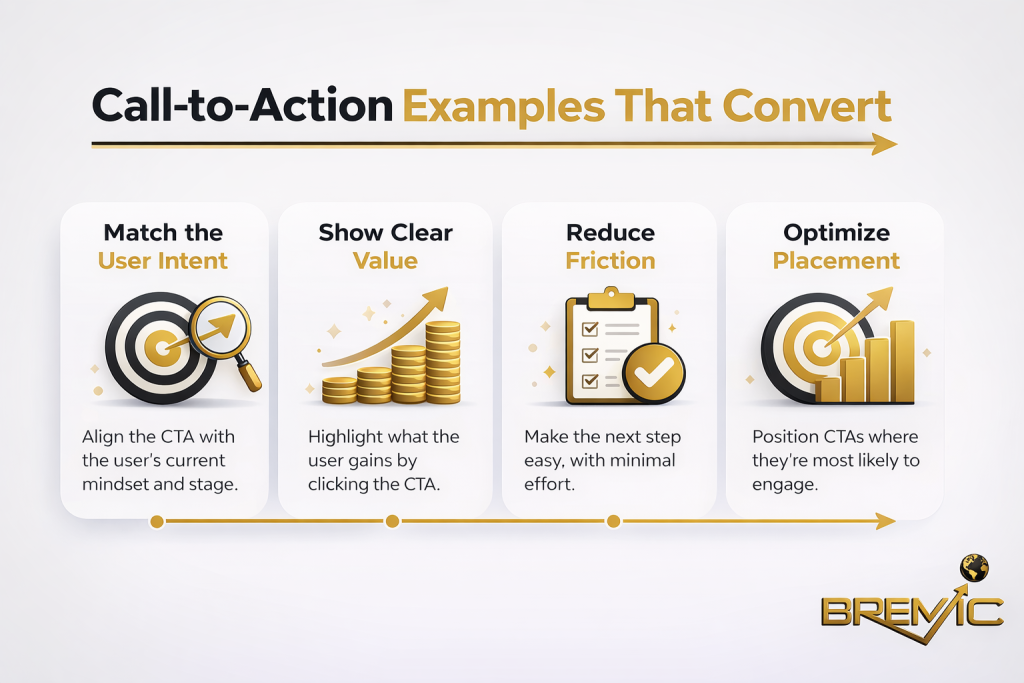
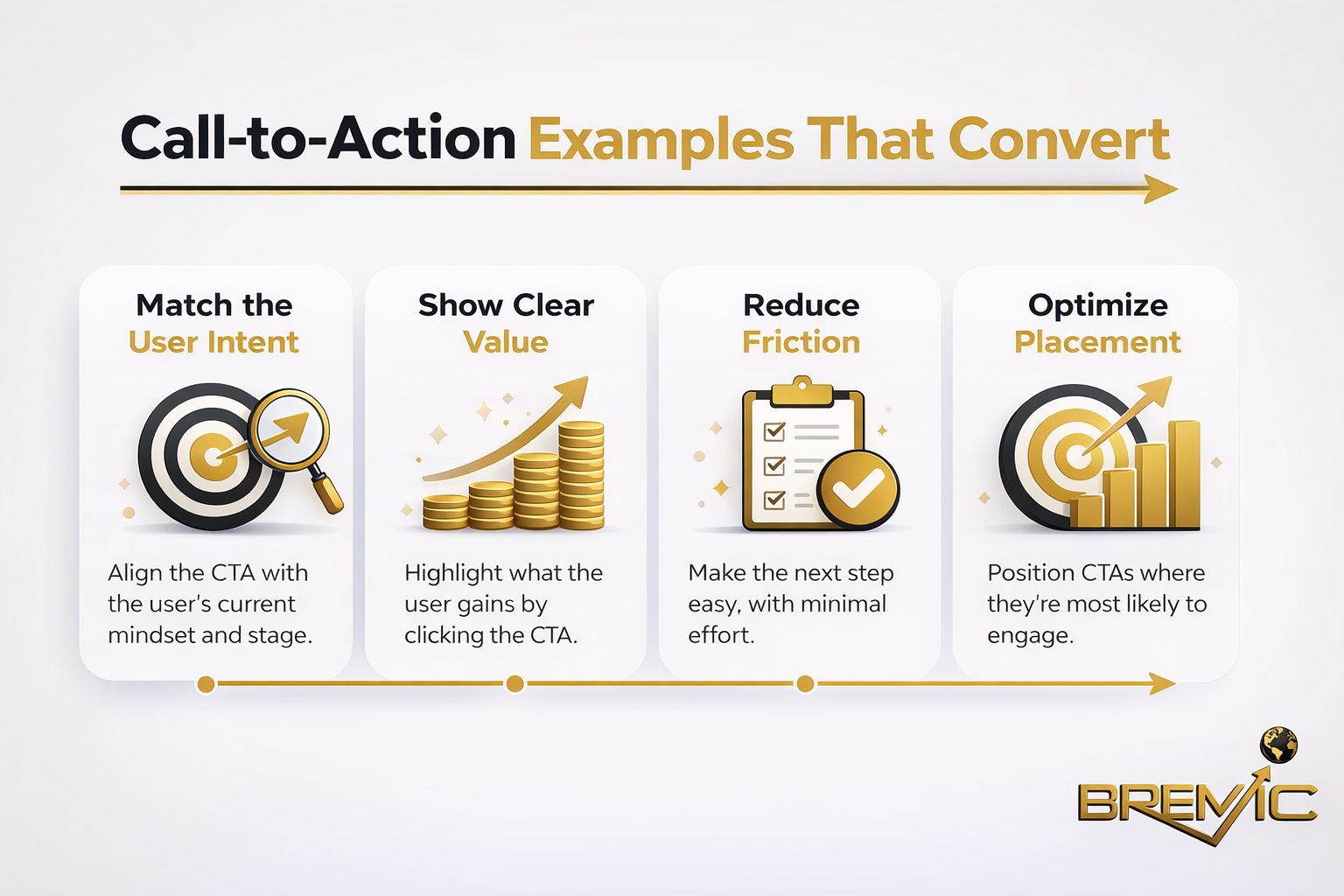
Strong Calls to Action
A business website should not leave users guessing.
Every major page should have a clear purpose. That does not mean every section needs an aggressive button, but the site should consistently guide visitors toward the next sensible action.
Depending on the business model, that might be:
- request a quote
- book a consultation
- call now
- view services
- download a brochure
- submit an enquiry
The right call to action depends on search intent and buying stage. Informational visitors may need educational content first. High-intent visitors may be ready to contact the business immediately.
Contact Information and Trust Signals
If a business website is meant to generate leads, contact information must be easy to find.
That includes:
- phone number
- email address or contact form
- physical address if relevant
- opening hours where applicable
- map or service area information
- social proof or review references where appropriate
Trust signals also matter. These may include testimonials, case studies, client logos, certifications, team profiles, or clear policies. For E-E-A-T, these elements help demonstrate that the business is real, accountable, and experienced.
Why this matters for SEO and conversions
Google evaluates more than keywords. Trust and clarity influence how users interact with a website, and those interaction signals often align with overall page quality. A credible website is easier to rank and easier to convert.
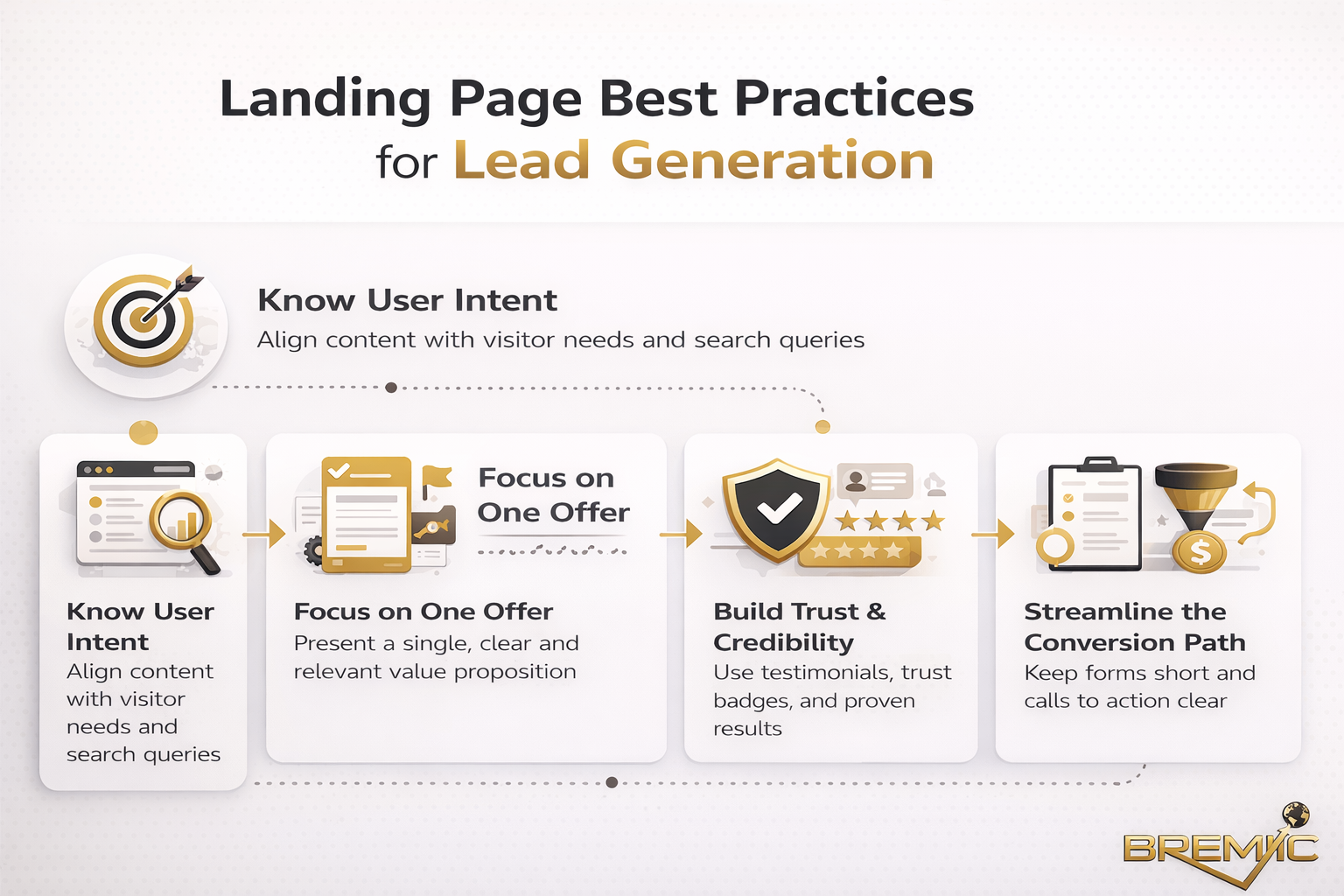
Service or Product Pages Built for Search Intent
A common mistake is having one vague “Services” page instead of dedicated pages for each meaningful offering.
If a business wants visibility for multiple services, it usually needs focused pages that explain each service properly. These pages should include:
- a clear description of the service
- target audience or use case
- benefits and process
- FAQs where relevant
- supporting proof
- contextual internal links to related topics
This is where content strategy and Web Development meet. The content needs enough depth to match search intent, and the site architecture needs to support it cleanly.
Content Management System Access
A business website needs a practical way to update content without rebuilding the site every time something changes.
That usually means using a content management system that allows the team to:
- edit page copy
- publish blog content
- update metadata
- add images
- manage internal links
- maintain service pages over time
Without this, the site quickly becomes stale. A website that cannot be maintained efficiently becomes harder to grow in search and harder to trust as a current business asset.
Technical SEO Foundations
If someone asks what-features-does-a-business-website-need from an SEO perspective, technical foundations belong near the top of the list.
Key features include:
- clean URL structure
- indexable page setup
- proper heading hierarchy
- title tags and meta descriptions
- XML sitemap
- robots.txt configuration
- canonical handling where needed
- schema markup where appropriate
- secure HTTPS setup
These are not flashy features, but they are essential. Technical issues can weaken the value of good content and strong design.
Security, Backups, and Ongoing Maintenance
A business website should not be treated as a one-time launch project.
At minimum, it needs:
- SSL security
- regular updates
- secure forms
- spam protection
- backup systems
- plugin and theme maintenance
- monitoring for broken pages or downtime
This is part of trustworthiness. A site that is insecure, broken, or outdated sends the wrong signal to users and can create serious operational problems.
Common Mistakes Businesses Make
Treating design as the whole strategy
A polished design helps, but it does not replace clear messaging, sound structure, or technical reliability. Many websites look modern while failing at navigation, SEO, or lead generation.
Adding too many features too early
Businesses often overload a site with sliders, animations, popups, chat widgets, or complex integrations before the basics are working. More features do not automatically create better performance.
Publishing thin service pages
Short, generic pages rarely perform well in search and rarely build confidence with prospects. Each important page needs a clear purpose and enough substance to be useful.
Ignoring internal linking
When pages are isolated, search engines have a harder time understanding topic relationships. Users also miss useful next steps. Internal linking should support both discoverability and journey progression.
Launching without analytics and measurement
A site should not go live without basic tracking. Businesses need to know which pages attract traffic, where enquiries come from, and where users drop off.
Practical Guidance for Building the Right Website
The most effective approach is to prioritize the essentials first.
Start by asking four practical questions:
What does the business want the website to achieve?
Lead generation, bookings, local visibility, ecommerce sales, authority building, and customer support all require slightly different feature priorities.
What pages are actually needed?
Not every site needs dozens of pages at launch. It does need enough pages to reflect the real structure of the business and the real topics it wants to rank for.
What does the user need to know before taking action?
This helps shape page content, trust signals, and conversion elements. A website should answer the questions that matter before asking for the click or the enquiry.
Can the site grow without being rebuilt?
A good Web Development strategy should leave room for future service pages, supporting articles, case studies, and technical improvements.
Timing and Expectations
A business website can be launched relatively quickly, but strong results usually come from steady improvement rather than a one-off build.
Technical setup and core pages can create a solid foundation early. SEO visibility, topical authority, and meaningful organic traffic usually take longer because they depend on content quality, internal linking, competition, and consistency.
That is why businesses should think in phases:
- launch the essentials properly
- measure how users behave
- improve weak pages
- expand content strategically
- strengthen internal linking and topical coverage over time
A website should be built for iteration, not treated as finished the moment it goes live.
Conclusion
So, what-features-does-a-business-website-need?
It needs more than visual appeal. A strong business website needs clear structure, responsive design, fast performance, credible messaging, conversion-focused pages, technical SEO foundations, and a maintainable Web Development setup that supports long-term growth.
The most effective websites are not overloaded. They are deliberate. Every feature has a job, and every page supports a wider business objective.
That is the real standard to aim for. Build a website that is clear, trustworthy, technically sound, and easy to expand. That is what gives a business a stronger platform for rankings, authority, and conversions over time.