Real estate web design Thailand: what actually drives visibility and leads
Real estate websites in Thailand often fail for the same reason: they are built to look credible, but not to perform. The design may be polished, the listings may be attractive, and the branding may feel established, yet the site struggles to rank, generate qualified enquiries, or support a long-term search strategy.
That gap matters. In a competitive market where agencies, developers, brokers, and property portals are all fighting for attention, a website cannot function as a digital brochure alone. It needs to help users find the right property information quickly, build trust with both local and international audiences, and create a structure that search engines can understand.
A strong approach to real estate web design Thailand combines user experience, search visibility, content structure, and conversion thinking. It is not just about how a site looks. It is about how the site supports discovery, evaluation, and action.
What real estate web design means in practice
In the real estate sector, web design has a different job than in many other industries. Visitors are not usually making a quick impulse decision. They are comparing locations, property types, price ranges, ownership options, and agents. They may return several times before sending an enquiry.
That means a real estate website must support a longer decision journey. Good design in this context is practical and strategic. It helps users:
- understand what type of properties are available
- filter and navigate listings efficiently
- trust the business behind the website
- find key details without friction
- take the next step when they are ready
For Thailand-based property businesses, that experience often becomes more complex. Many sites need to serve mixed audiences, including Thai buyers, expatriates, investors, and overseas leads. Those groups may have different expectations around language, legal information, location details, and device usage. A design that works visually but ignores those realities will underperform.
Why web design and SEO need to be planned together
A common mistake is treating design and SEO as separate stages. The site is designed first, then SEO is added later through a few metadata updates and blog posts. In practice, that usually leads to structural issues that are expensive to fix.
Search performance depends heavily on the foundation of the site. If the architecture is weak, the content is thin, or the important pages are buried too deeply, rankings will be harder to earn regardless of how attractive the interface looks.
For real estate websites, SEO should influence decisions such as:
- how location pages are structured
- how property categories are organized
- how filters are handled
- how internal links connect listings, area pages, and guides
- how indexable pages are separated from low-value duplicates
- how the site supports local relevance and topical depth
This is especially important in Thailand, where many property businesses target both location-based searches and service-based searches. A website may need to compete for queries around condos in specific districts, property investment information, agency services, and local market guidance. Without a clear structure, those topics blur together and weaken the site’s authority.
The core elements of effective real estate web design in Thailand
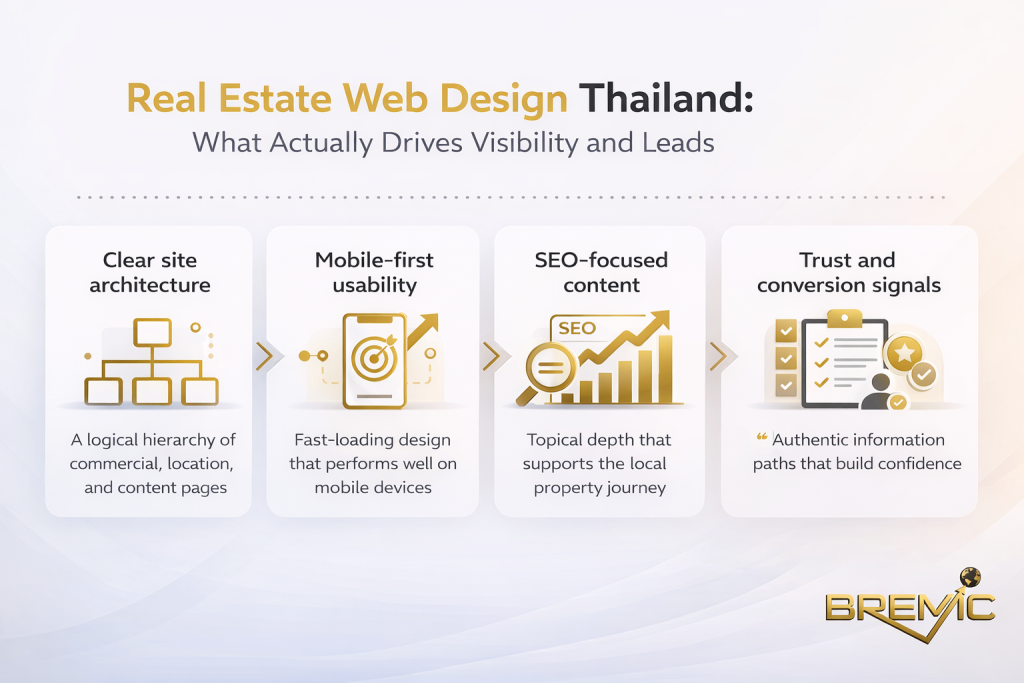
Clear site architecture
A real estate site needs logical pathways between commercial pages, location pages, property-type pages, and supporting content. Users should not have to guess where to go next, and search engines should be able to understand which pages are most important.
A typical strong structure might include:
- core service or company pages
- key location pages
- property-type pages
- listing detail pages
- supporting educational content
- contact and trust-building pages
The goal is not to create more pages for the sake of volume. It is to create a hierarchy that reflects how people actually search and evaluate property options.
Mobile-first usability
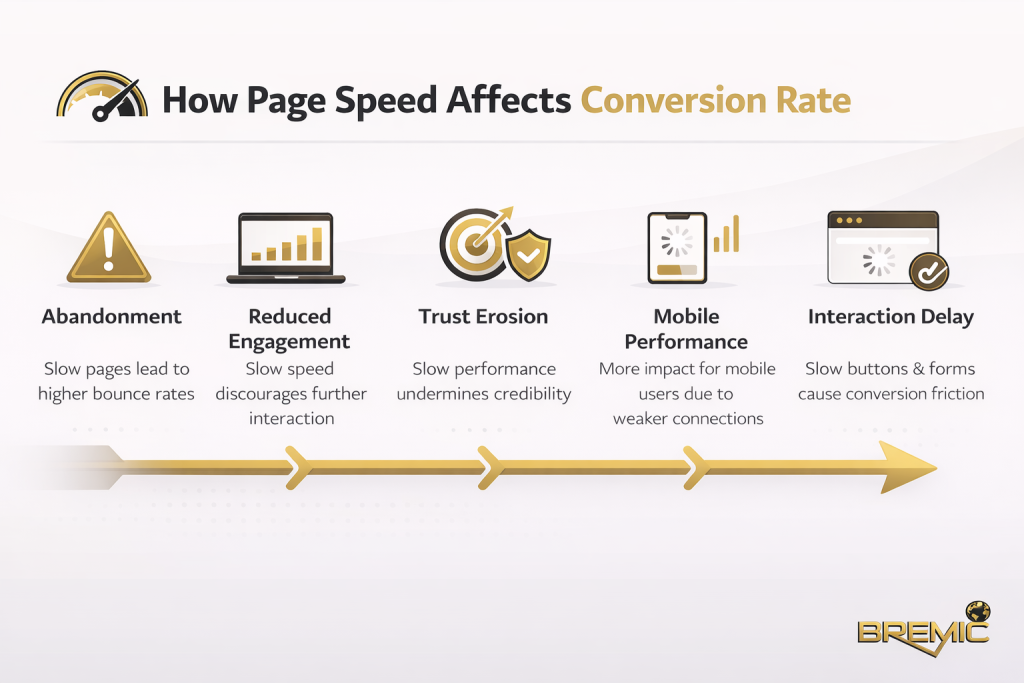
In Thailand, mobile usability is not optional. A real estate website that feels heavy, cluttered, or awkward on mobile will lose engagement quickly. This affects more than user satisfaction. It can also weaken SEO through poor engagement signals, slow performance, and lower conversion rates.
Mobile-first design should prioritize:
- fast-loading listing pages
- readable text and clean spacing
- simple navigation menus
- tap-friendly filters and buttons
- clear enquiry paths without intrusive popups
A site that performs well on desktop but breaks down on mobile is not well designed for this market.
Fast, technically stable performance
Real estate websites often become bloated because they rely on large image galleries, third-party plugins, map integrations, and complex search tools. Visual richness matters, but not at the cost of usability.
Performance issues usually show up in predictable ways: slow listing pages, delayed interactive filters, layout shifts, and inconsistent rendering across devices. These problems do not just frustrate users. They also make it harder for search engines to crawl and evaluate the site efficiently.
Technical discipline matters here. Image handling, script management, clean templates, and sensible plugin choices all affect the site’s ability to rank and convert.
Trust signals that support real decision-making
Property enquiries involve a high level of trust. People want to know who they are dealing with, whether the information is current, and whether the business understands the market.
That means trust should be built through the structure and content of the site, not just through generic claims. Useful trust elements include:
- clear company background and specialization
- named agents or team members where relevant
- transparent contact information
- well-written location and market content
- accurate listing details
- realistic explanations of process and next steps
A real estate site that hides basic information or relies on vague marketing language tends to feel less credible, especially for international prospects who are unfamiliar with the market.
How SEO works within a real estate website structure
SEO for real estate is rarely about one page ranking for one keyword. It is usually about building relevance across a group of related pages.
For example, a site targeting the Thailand property market may need different page types for different intents:
- users looking for properties in a specific area
- users comparing property types
- users researching buying or investing in Thailand
- users evaluating an agency or developer
- users ready to enquire
A well-structured site supports these journeys through internal relationships between pages. This is where a pillar-and-cluster model becomes useful. Broader pages can support the main service themes, while focused cluster content strengthens topical depth around narrower search intent.
For businesses planning sector-specific digital growth, the broader industry expertise and service context should also align with the content architecture rather than sit separately from it.
Internal linking that supports relevance
Internal linking is often underused on real estate websites. Many sites rely only on menus, breadcrumbs, and listing grids. That leaves a lot of strategic value untapped.
Strong internal linking helps search engines understand page relationships and helps users move naturally through the site. A location guide can link to relevant service pages. A property-type page can link to related market insights. An investment article can support commercial pages without forcing the connection.
The key is relevance. Links should guide the reader toward the next logical question or action, not exist just to satisfy an SEO checklist.
Content that supports the property journey
Real estate SEO content should do more than define terms or repeat obvious advice. It should reflect the questions users genuinely ask while moving toward a decision.
That may include content around:
- location comparisons
- ownership considerations
- property selection criteria
- transaction preparation
- developer and project evaluation
- rental versus purchase considerations
Good content strengthens rankings because it builds topical authority, but it also improves lead quality by educating visitors before they enquire.
Common weaknesses in Thailand real estate websites
Several issues appear repeatedly across the market.
Design that prioritizes appearance over function
A site can look premium and still perform poorly. Overdesigned homepages, unclear navigation, and decorative layouts often reduce usability rather than improve it. In real estate, clarity usually outperforms visual excess.
Thin or duplicated location pages
Many websites create area pages with almost no substance beyond a heading and a few listings. Others duplicate the same structure across dozens of pages with only minor wording changes. These pages rarely build authority and often struggle to rank.
Poor handling of filtered pages
Search and filter functions are useful for users, but they can create technical SEO problems when every variation becomes crawlable or indexable. This can lead to duplicate or low-value pages competing with stronger targets.
Weak conversion paths
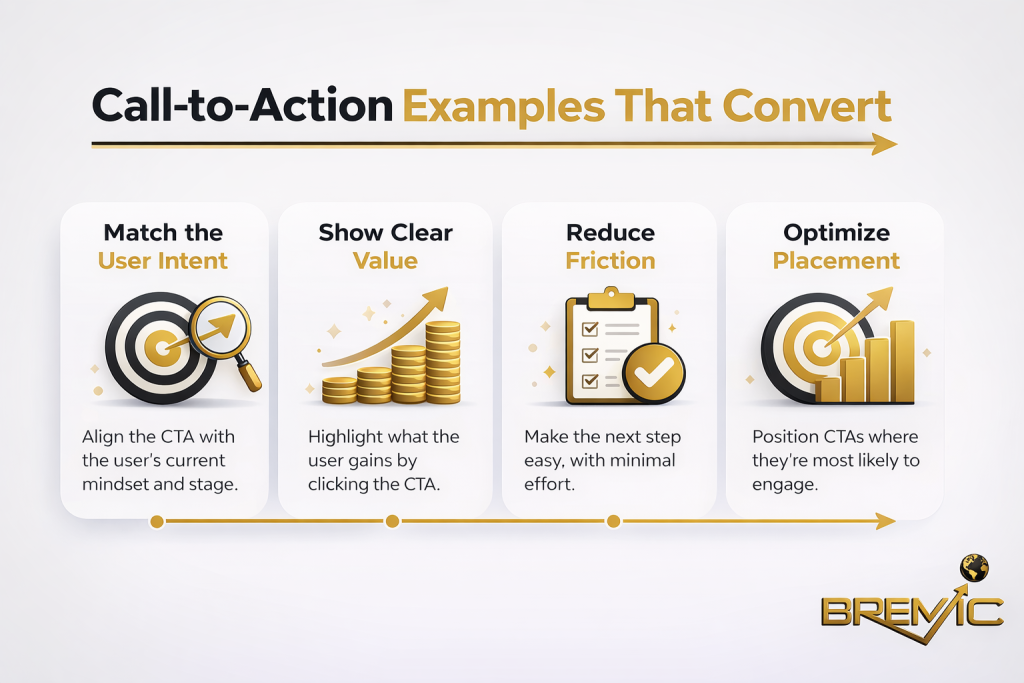
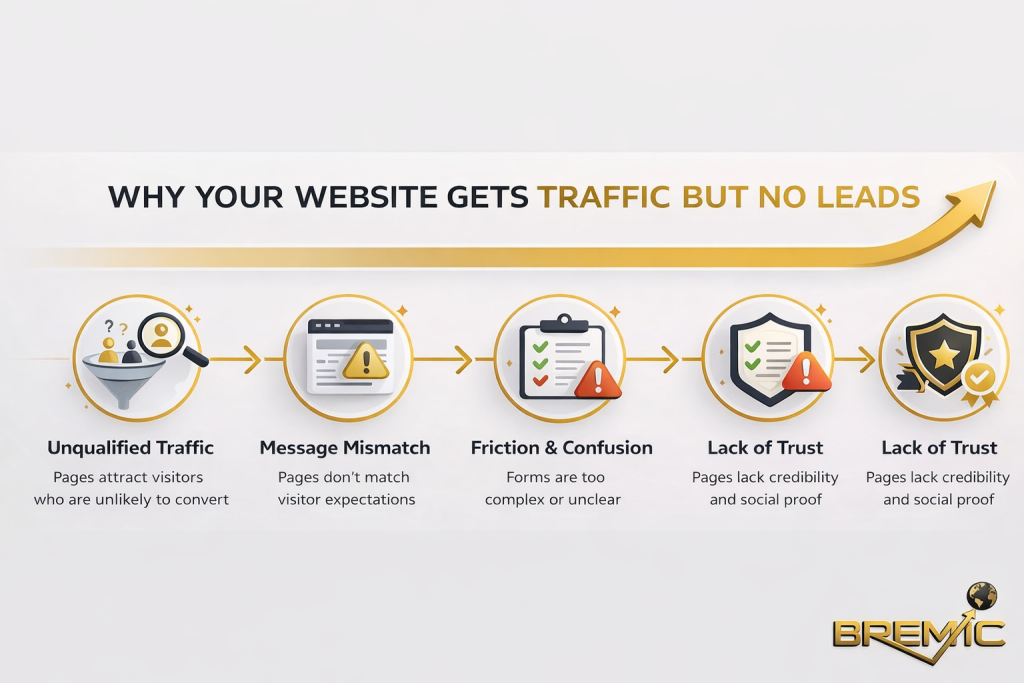
Some real estate sites ask for an enquiry before the user has enough confidence to act. Others hide contact options behind several clicks. A better approach is to make the next step visible, credible, and proportionate to the user’s stage in the journey.
What to look for when evaluating a real estate website
If you are reviewing an existing website, start with a few practical questions.
Does the structure reflect how people search for property in Thailand, or is it organized mainly around internal business preferences?
Can users move easily between locations, property types, listings, and supporting information?
Do key pages provide original, useful content, or do they rely on thin copy and repeated templates?
Is the site fast and usable on mobile devices?
Do trust signals feel concrete and credible?
Are internal links helping users discover related pages with intent, or is the site overly dependent on top navigation?
These questions usually reveal whether the website was built as a performance asset or just as a brand presence.
Strategic recommendations for better results
For most property businesses, the most effective route is not a full redesign for its own sake. It is a strategic review of structure, content, technical performance, and conversion flow.
A strong plan often includes:
- clarifying the primary search intents the site needs to serve
- mapping page types to those intents
- fixing architectural issues before expanding content
- improving key commercial and location pages first
- building supporting cluster content where authority gaps exist
- refining internal links so that pages reinforce each other
- strengthening trust and usability on high-intent pages
This approach is more sustainable than chasing rankings page by page without improving the underlying system.
What realistic results look like
SEO and web performance improvements in real estate usually take time because the competition is high, the buying cycle is long, and trust plays a major role. A better site structure can improve crawlability and usability relatively quickly, but authority growth comes from consistency.
That means businesses should expect gradual gains from a coordinated strategy, not instant results from design changes alone. Better rankings, stronger engagement, and improved lead quality tend to come from the combined effect of site structure, content quality, technical stability, and clearer user pathways.
Final takeaway
Real estate web design Thailand should never be treated as a visual exercise alone. For property businesses that want sustainable visibility, the website needs to function as a search asset, a trust-building platform, and a conversion tool at the same time.
The most effective websites are not the ones with the most effects, the most pages, or the most aggressive calls to action. They are the ones built around search intent, user clarity, and a structure that supports authority over time.
In a market as competitive and nuanced as Thailand real estate, that strategic foundation is what turns a website from an online placeholder into a meaningful growth channel.