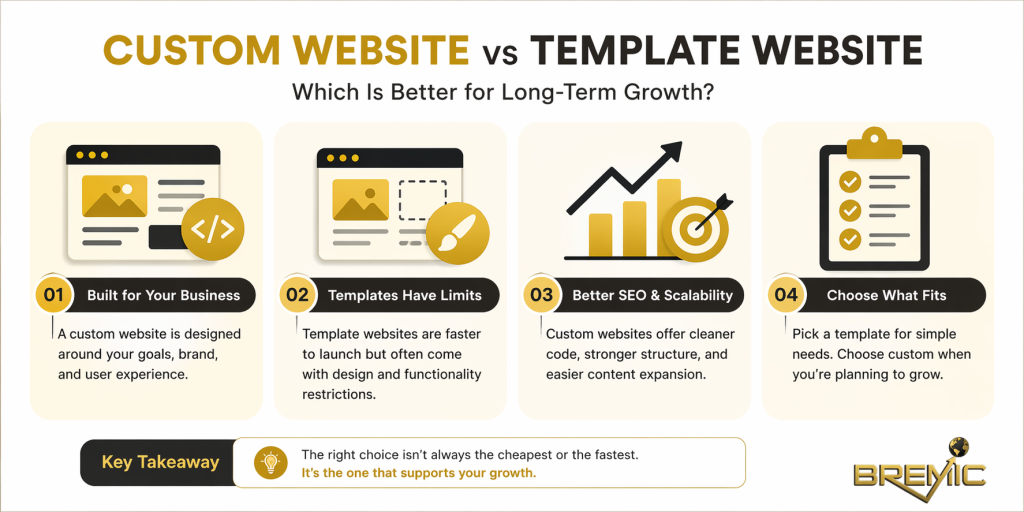
Choosing between a custom website vs template website is one of the most important early decisions in Web Development. It affects far more than design. The choice influences how easily your site can grow, how well it performs in search, how flexible your content structure can become, and how much control you have over user experience.
This is where many businesses make the wrong decision for the right reasons. A template website can look efficient and affordable at the start, while a custom website can seem like a larger commitment than necessary. But the better option depends on your goals, your growth plans, and how central your website is to marketing, lead generation, and long-term brand authority.
This article breaks down the real differences between a custom website vs template website, explains how each option fits into modern Web Development, and gives practical guidance on when each approach makes strategic sense.
What Is Web Development?
Web Development is the process of planning, building, structuring, and maintaining a website so it functions properly for users and supports business goals. In practice, that includes far more than writing code. It covers site architecture, performance, content structure, CMS setup, design implementation, mobile responsiveness, technical SEO, integrations, and ongoing scalability.
A custom website and a template website are simply two different ways to approach that process.
A template website is built using a pre-designed framework or theme. The layout, design rules, and often parts of the functionality are already established. You customize the content, branding, and selected features within those limits.
A custom website is designed and developed specifically for the business. The structure, layouts, functionality, and user flows are created around your objectives rather than adapted from a pre-existing model.
That distinction matters because websites do not succeed based on appearance alone. They succeed when design, content, performance, and business strategy work together.
Why the Choice Matters
The custom website vs template website decision has direct SEO and business implications.
Search engines evaluate websites based on crawlability, performance, structure, content relevance, usability, and overall quality signals. A website that is difficult to scale, slow to load, or structurally constrained can limit your SEO progress even if the content itself is strong.
From a business perspective, the website also needs to support conversions. That may mean lead forms, service pages, location pages, content hubs, landing pages, CRM integrations, or more advanced user journeys. If your platform or theme creates friction every time you want to improve something, that becomes a long-term operational problem.
In other words, this is not just a design preference. It is a strategic decision about flexibility, control, and future growth.
How a Template Website Works
A template website starts with an existing design system. You choose a theme or layout, install it on a CMS or website builder, and then adapt the visual identity and content to your brand.
Where template websites work well
Template websites are often a reasonable choice when the business needs to launch quickly and the website requirements are simple. That usually includes:
- brochure-style business websites
- early-stage businesses testing an offer
- temporary campaign sites
- websites with limited content depth
- brands with modest design and feature requirements
A good template can provide a solid starting point when speed and budget matter more than differentiation.
The main advantages
The strongest advantage of a template website is efficiency. It reduces design and development time because the foundation already exists. Costs are usually lower upfront, and many templates include built-in modules for basic pages, contact forms, galleries, blog layouts, and mobile responsiveness.
For businesses that need a professional web presence without extensive custom requirements, that can be enough.
The limitations
The problem is that templates are built for general use, not for your specific business model. That means compromises are common.
You may find that page layouts are harder to adapt than expected, design consistency breaks when you add custom sections, or the theme includes code and features you do not need. Over time, those limitations can affect performance, editorial flexibility, and user experience.
From an SEO standpoint, templates can also make it harder to build highly intentional site architecture. If the structure is rigid, supporting a pillar-and-cluster model, service segmentation, or deeper content taxonomy may require workarounds rather than clean implementation.
How a Custom Website Works
A custom website is built around your actual requirements rather than a pre-made framework. The design, structure, and functionality are defined based on your brand, audience, content plan, and business processes.
Where custom websites make sense
Custom development is usually the stronger option when the website plays a central role in growth. That includes cases where you need:
- a distinctive brand experience
- advanced SEO architecture
- complex service or product structures
- custom user journeys
- tailored integrations
- long-term content expansion
- strong conversion-focused design
If your site is expected to become a serious marketing asset rather than a digital brochure, custom development often provides the better foundation.
The main advantages
The biggest strength of a custom website is control. You can define layouts around the content instead of forcing content into a template. You can build cleaner page structures, more focused templates, better performance standards, and a backend that matches the publishing workflow.
That matters in SEO. A custom site makes it easier to create scalable content frameworks, structured internal linking systems, optimized category architecture, and page-level layouts designed around intent rather than theme constraints.
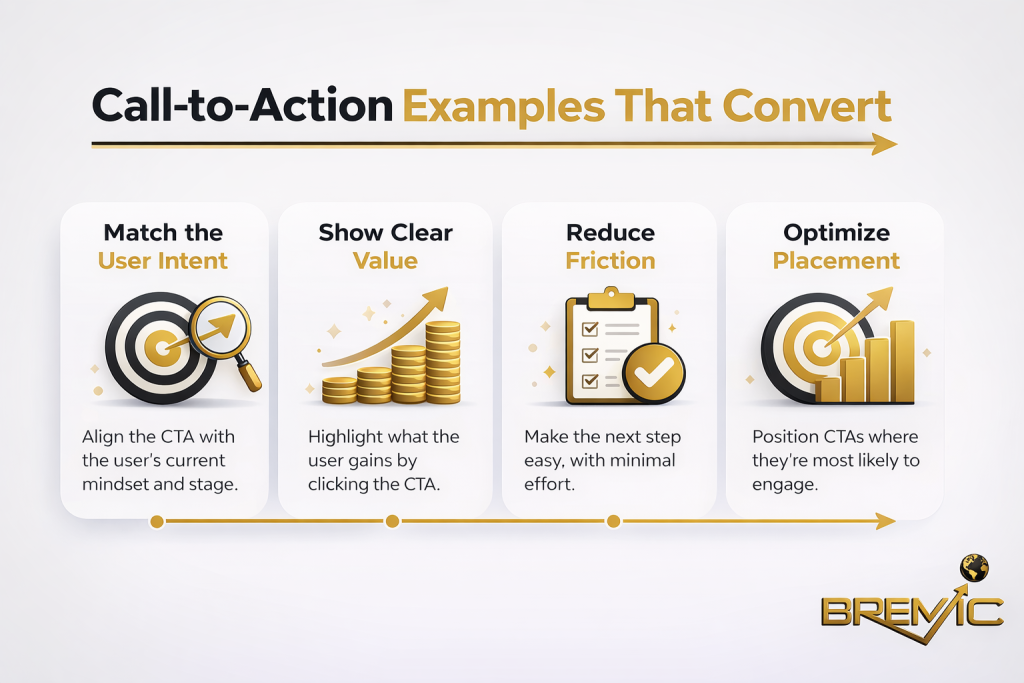
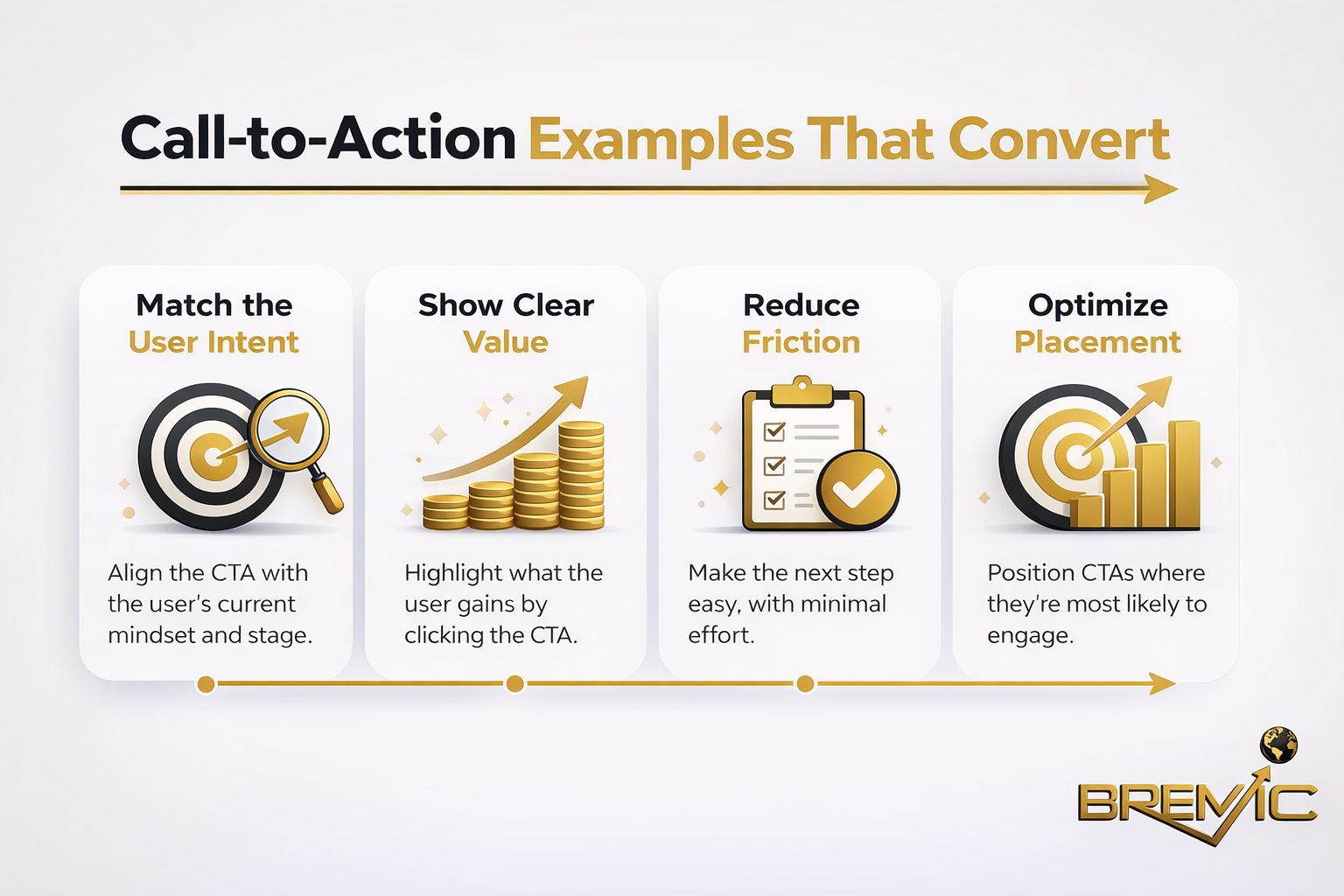
It also matters in conversion optimization. Calls to action, trust elements, comparison modules, content blocks, and navigation patterns can all be built around what your audience actually needs.
The trade-offs
A custom website requires more planning, more strategic input, and usually a higher initial investment. It also depends heavily on the quality of the people building it. Custom does not automatically mean good. Poor custom development can lead to bloated code, hard-to-manage systems, and expensive maintenance.
The value comes from purposeful execution, not from the label alone.
Custom Website vs Template Website for SEO
When evaluating a custom website vs template website, SEO should not be reduced to a simplistic claim that one always ranks better. Search performance depends on many factors, including content quality, competition, authority, internal linking, and technical health.
Still, the website foundation affects how effectively you can execute SEO.
Site architecture and content expansion
A template can support basic SEO if the website is relatively small. But once you need topic clusters, structured service hierarchies, regional landing pages, or deeply segmented content, custom development usually offers more precision.
That precision matters because topical authority is built through structure as much as content. If your website is intended to support a pillar page with related cluster articles, service subpages, and supporting guides, the system needs to make that architecture easy to build and maintain.
Performance and code efficiency
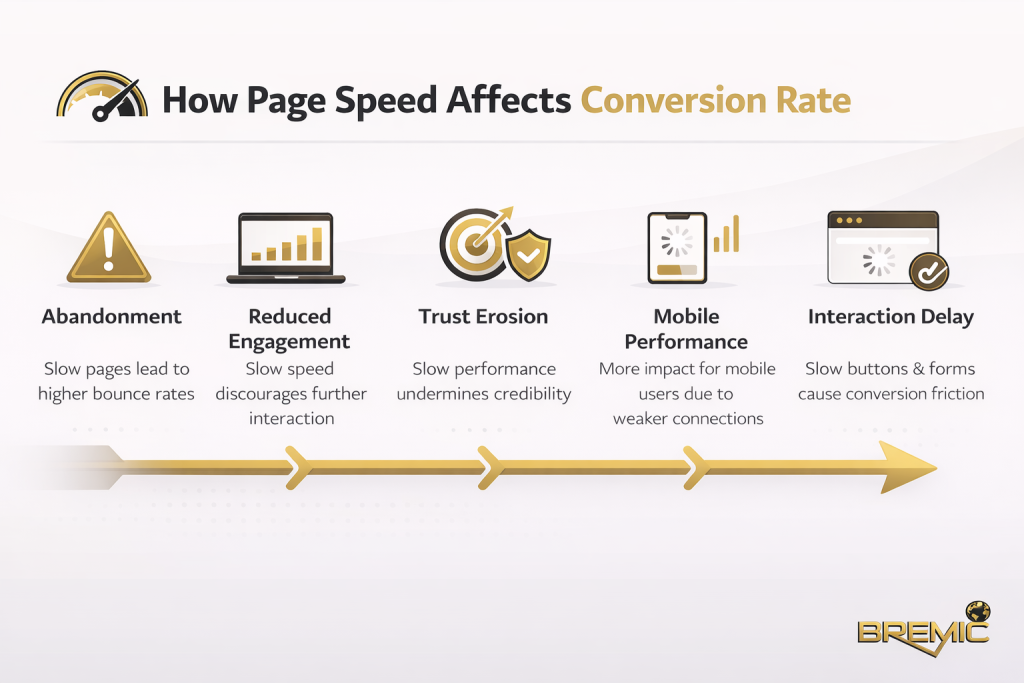
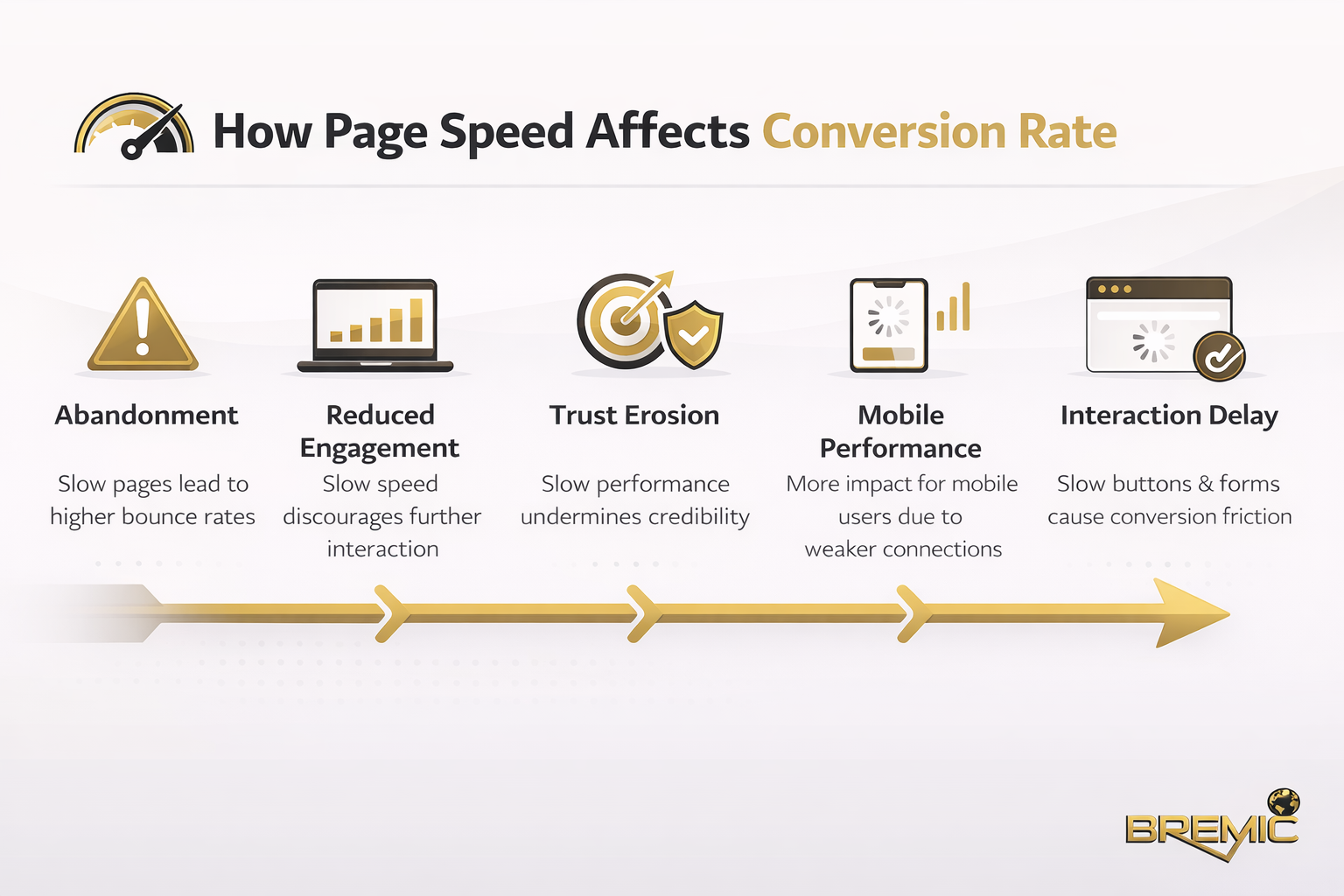
Many templates include broad feature sets to appeal to many buyers. That often leads to unnecessary scripts, styles, or plugins. The result can be slower performance and more technical overhead.
A well-built custom website can be much leaner. It includes what the business needs and avoids what it does not. That improves page speed, stability, and maintainability.
On-page flexibility
SEO execution often requires more than editing title tags and headings. You may need custom content blocks, FAQ sections, comparison modules, schema-ready components, related article sections, author modules, or stronger internal link placements.
A custom build gives you more freedom to create those patterns properly and apply them consistently across the site.
Important Subtopics to Consider
Branding and differentiation
A template can make many websites look similar, especially in competitive industries. That is not just a visual issue. If your site does not communicate a distinct position, it becomes harder to build trust and stand out.
A custom website gives you more room to align design with brand perception and customer expectations.
Content operations
Think beyond launch. Who will publish content? How often? Will the site need landing pages, case studies, guides, or localized pages?
In practical Web Development, the best site is not the one that looks impressive on launch day. It is the one your team can actually use and expand without friction.
Conversion strategy
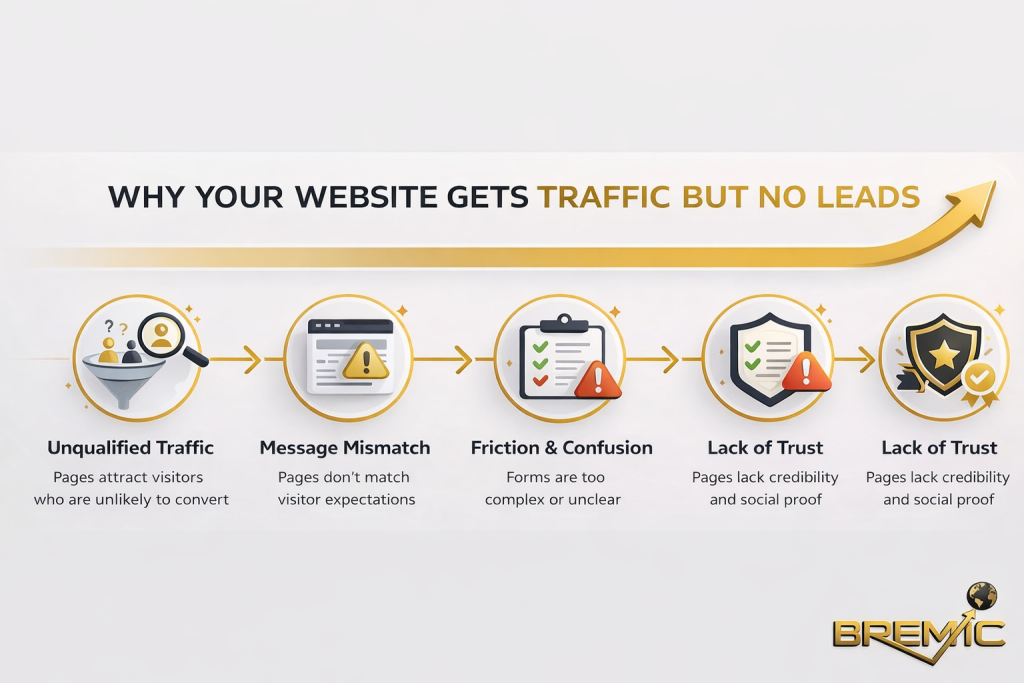
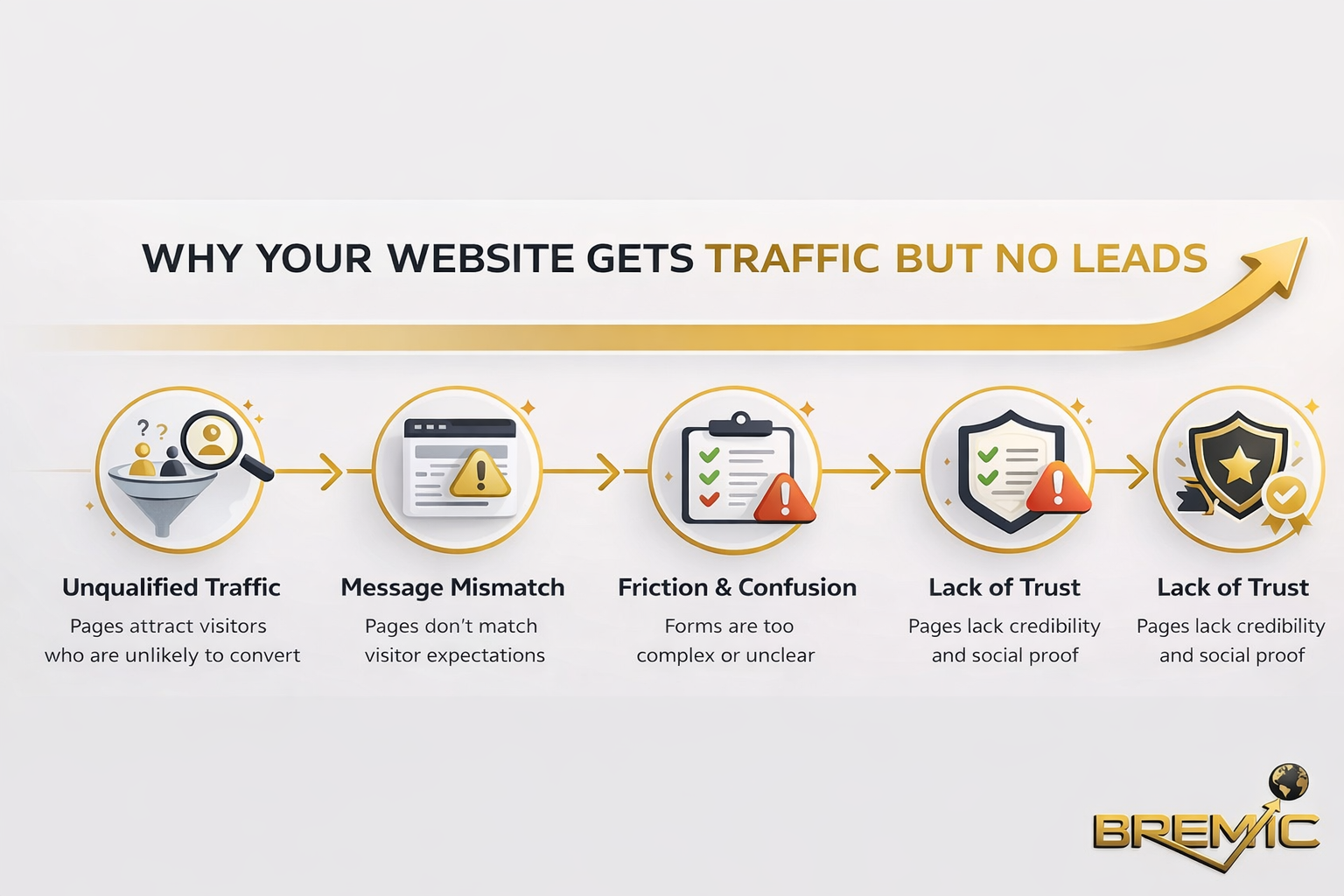
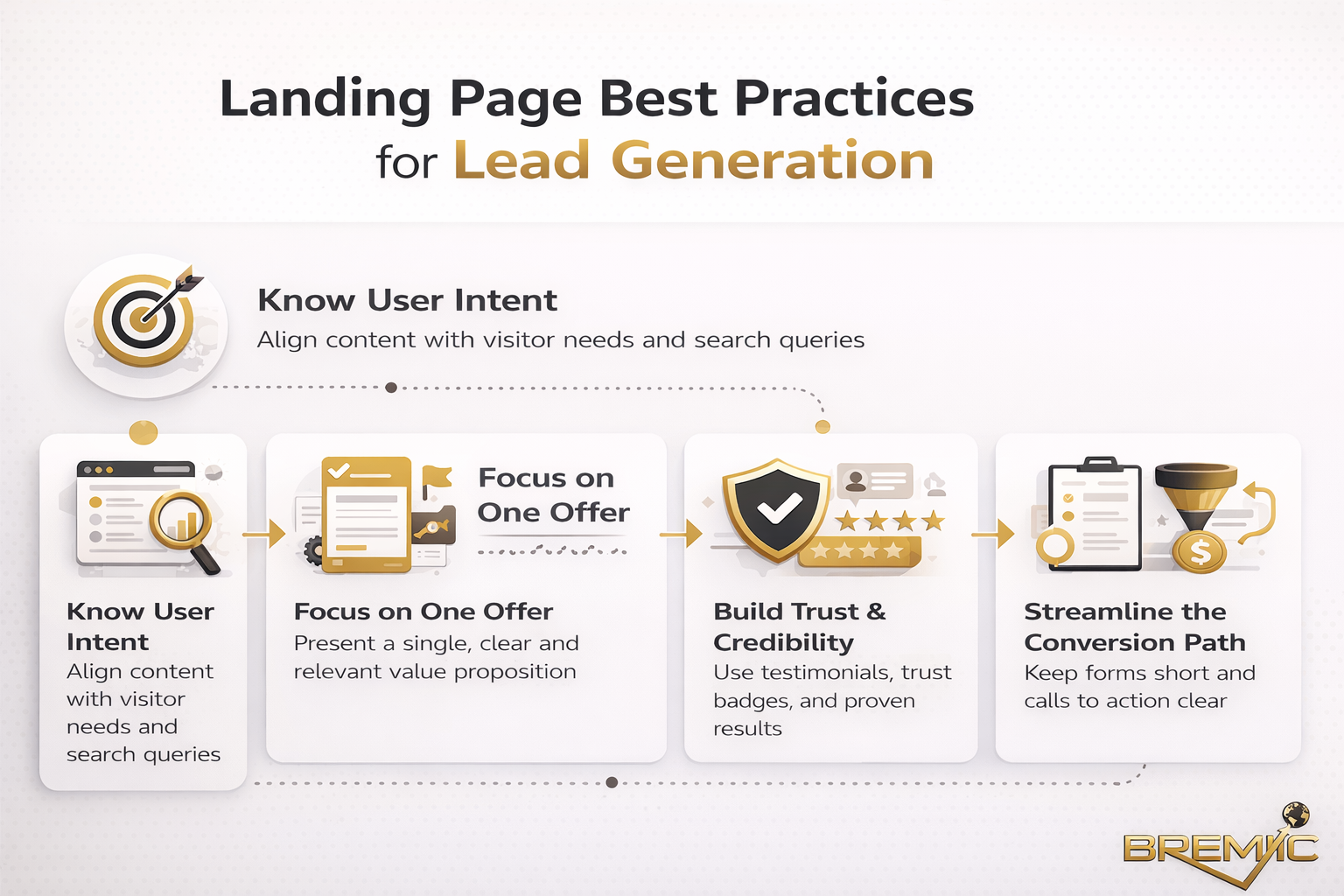
A website should not only attract traffic. It should convert the right visitors. That often requires intentional page layouts, trust signals, service segmentation, user flow design, and testing flexibility.
Template sites can support basic conversion paths, but custom websites allow far more control over how those paths are structured.
Common Mistakes
Choosing based only on upfront cost
A template website often costs less at the beginning, but the long-term cost can rise if you need repeated fixes, workarounds, redesigns, or performance cleanup.
A cheaper starting point is not automatically the more cost-effective option.
Assuming custom is always necessary
Not every business needs custom development on day one. If your site requirements are simple and your business is still validating its positioning, a template may be the sensible choice.
The mistake is not choosing a template. The mistake is choosing a template when your growth model already demands more flexibility.
Ignoring future content and SEO needs
Many businesses select a website approach based only on homepage design and a few core pages. Then six months later they want content clusters, SEO landing pages, and better internal linking, and discover the site was not structured for it.
That issue is avoidable if content strategy is considered before development begins.
Practical Guidance
If you are deciding between a custom website vs template website, start with business requirements rather than personal preference.
Choose a template website when:
- you need to launch quickly
- the website scope is small
- your functionality needs are standard
- your brand differentiation is not heavily dependent on the site
- you are still testing market positioning
Choose a custom website when:
- the website is central to lead generation or revenue
- SEO is a serious growth channel
- you need scalable architecture
- your content model is expanding
- your user journeys require tailored design and functionality
- brand trust and differentiation are strategic priorities
The strongest decision usually comes from mapping the website to a 12- to 24-month business plan, not just the launch checklist.
Timing and Expectations
A template website can often be launched much faster, especially when the content and decision-making process are straightforward.
A custom website generally takes longer because strategy, UX, design, development, testing, and revisions all require more input. That does not mean slow for the sake of it. It means the system is being built with more intention.
The same applies to SEO results. A better website foundation improves execution, but it does not create instant rankings. Even a strong custom build still depends on content quality, internal linking, technical consistency, and authority growth over time.
The realistic expectation is this: the right website approach makes future growth easier. It does not replace the work required to earn that growth.
Conclusion
The real question in the custom website vs template website debate is not which option is universally better. It is which option fits the role your website needs to play.
If the site is a simple business presence with limited complexity, a template website can be a practical and efficient solution. If the site is expected to support SEO growth, content expansion, brand differentiation, and long-term conversion performance, a custom website usually provides a stronger foundation.
Good Web Development is not about choosing the most expensive route or the fastest route. It is about making a deliberate decision that matches business goals, content strategy, and operational reality.