For hotels in Hua Hin, a website is not just a brand asset. It is a booking channel, a trust signal, a sales tool, and in many cases the first serious interaction a guest has with the property.
That makes website design a strategic decision, not a cosmetic one.
When people search for the best website design for hotels in Hua Hin, they are usually not looking for abstract design theory. They want to understand what a hotel website should include, how it should work, and why some hotel sites convert while others quietly lose revenue to OTAs, slow load times, confusing navigation, or weak mobile usability.
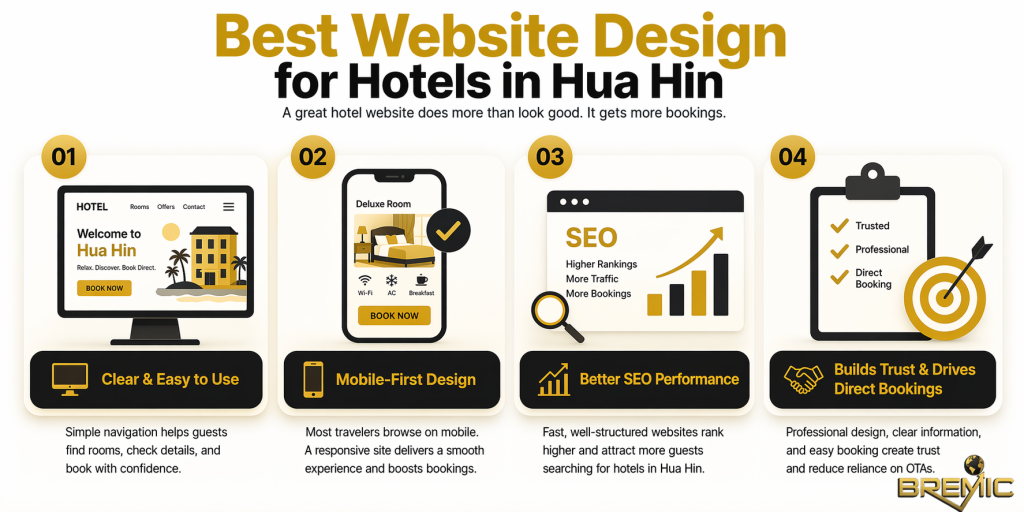
The strongest hotel websites in this market do three things well. They present the property clearly, remove friction from the booking journey, and support visibility in search. Good design is not about adding more visual effects. It is about making the right information easy to find, easy to trust, and easy to act on.
This article explains what effective Web Design means for Hua Hin hotels, why it matters for SEO and conversions, how to apply it properly, and what common mistakes to avoid.
What is Web Design
In practical terms, Web Design is the structure, visual layout, user experience, content presentation, and functional flow of a website.
For a hotel, that includes much more than choosing colors and fonts. It covers:
- how quickly a guest understands the property
- how easily they can check room types, rates, and availability
- how well the site works on mobile
- how clearly location, amenities, and policies are explained
- how smoothly users move toward a direct booking
So when discussing the best website design for hotels in Hua Hin, the real question is not “What looks modern?” It is “What helps the right guest feel confident enough to book?”
A well-designed hotel website should balance brand presentation with operational clarity. It needs to feel appealing, but it also has to answer practical questions fast. Travelers comparing resorts, boutique hotels, pool villas, and family-friendly stays in Hua Hin are making decisions quickly. If the website slows them down, they often return to search results or book through a third-party platform instead.
Why it matters
It affects direct bookings
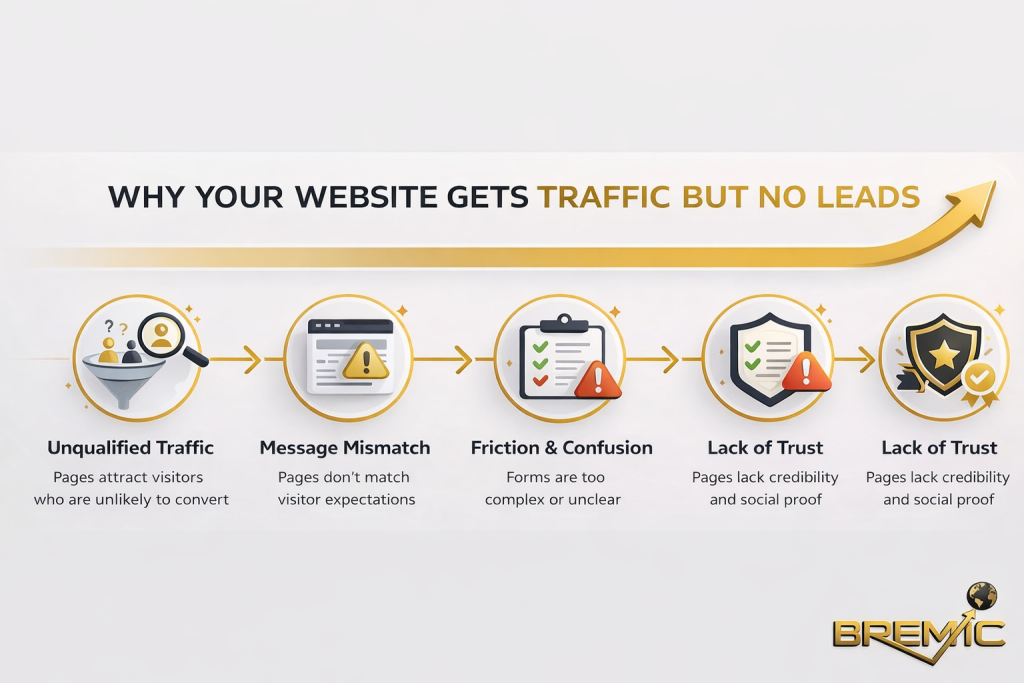
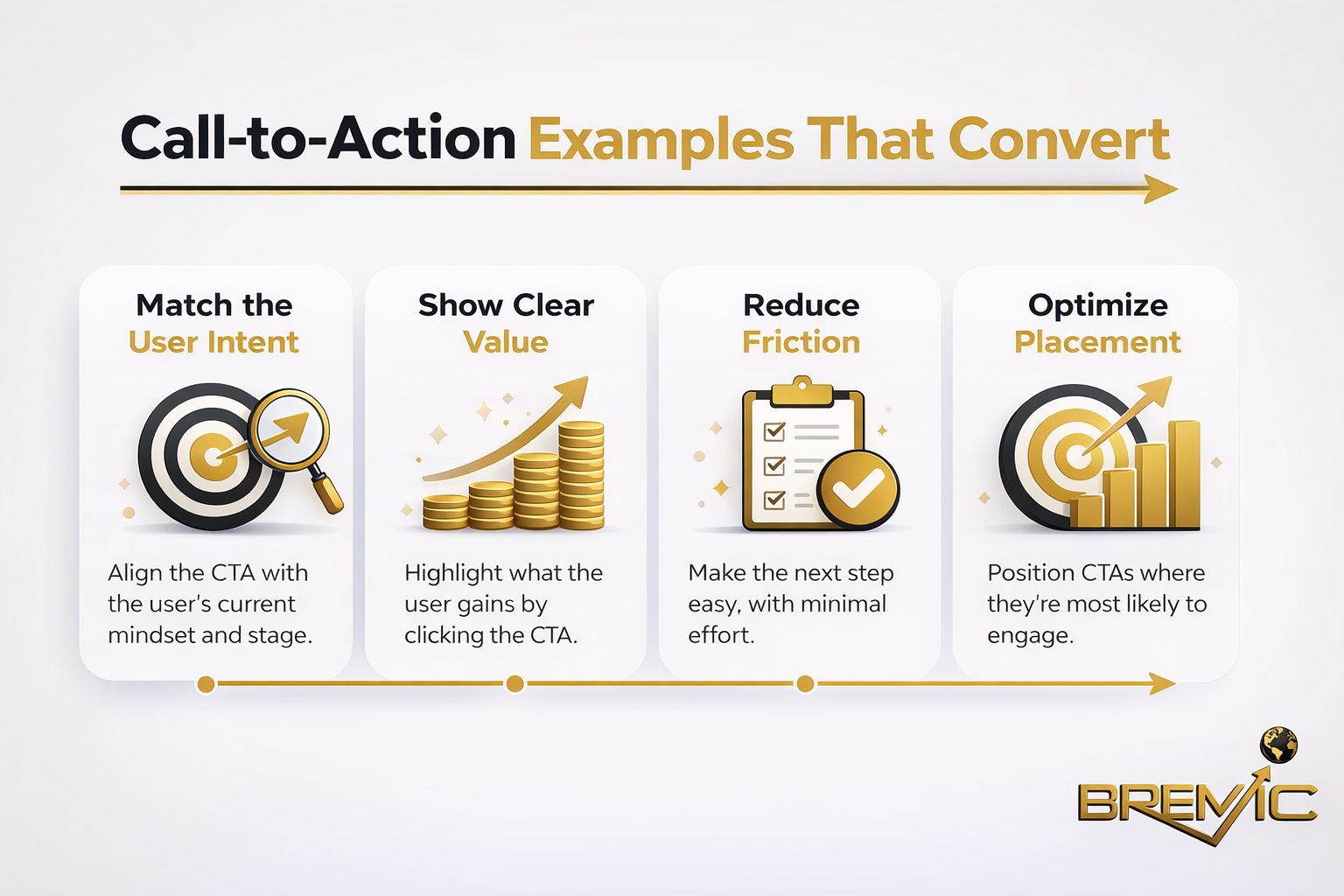
The most immediate reason Web Design matters is conversion. Hotels spend time and money generating demand through SEO, ads, social media, and OTA presence. But if the website cannot convert interest into direct bookings, that demand leaks away.
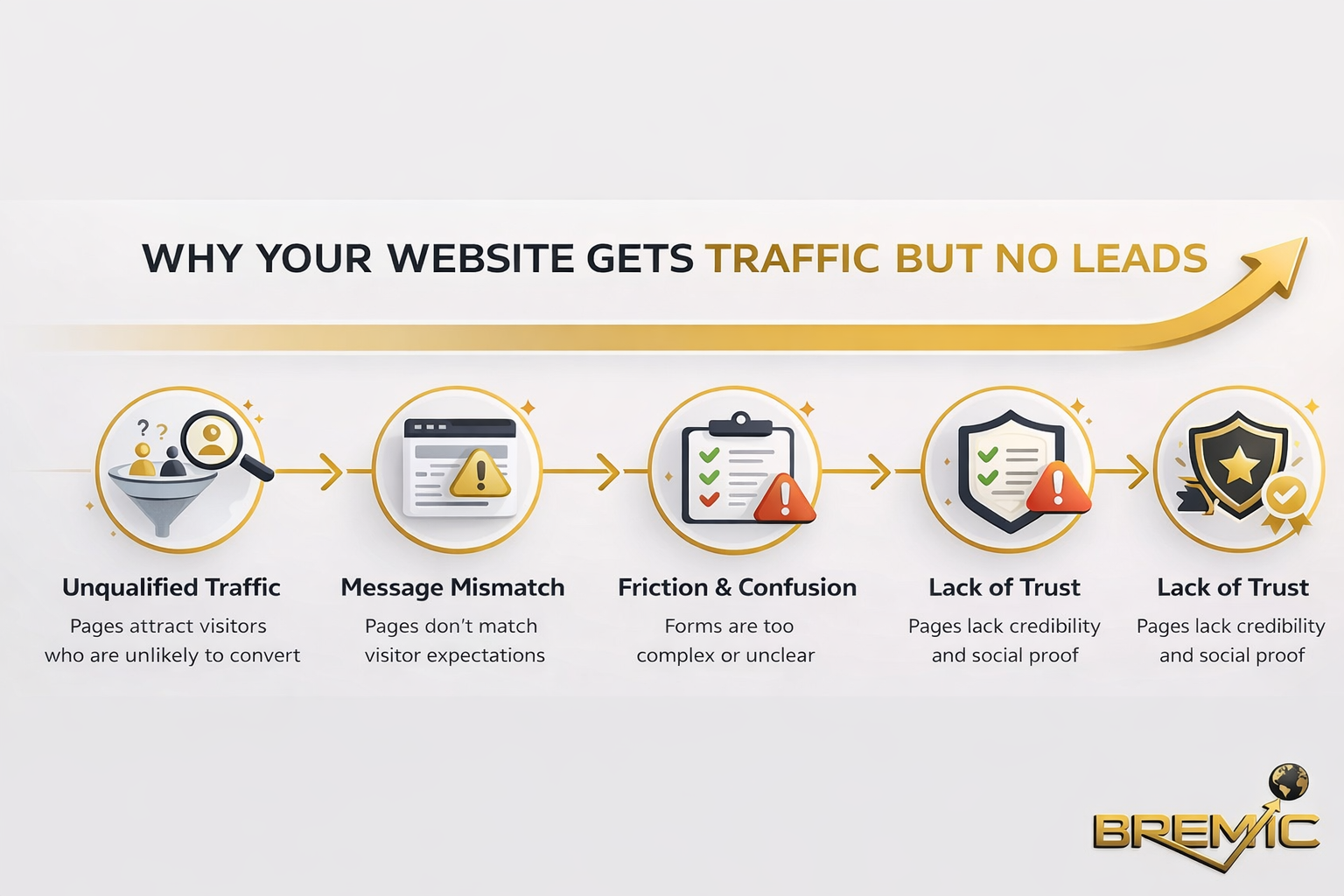
Poor design creates hesitation. Missing room details, weak photography, unclear booking buttons, and cluttered pages all reduce confidence. In hospitality, confidence matters because guests are committing money before the experience happens.
It supports SEO performance
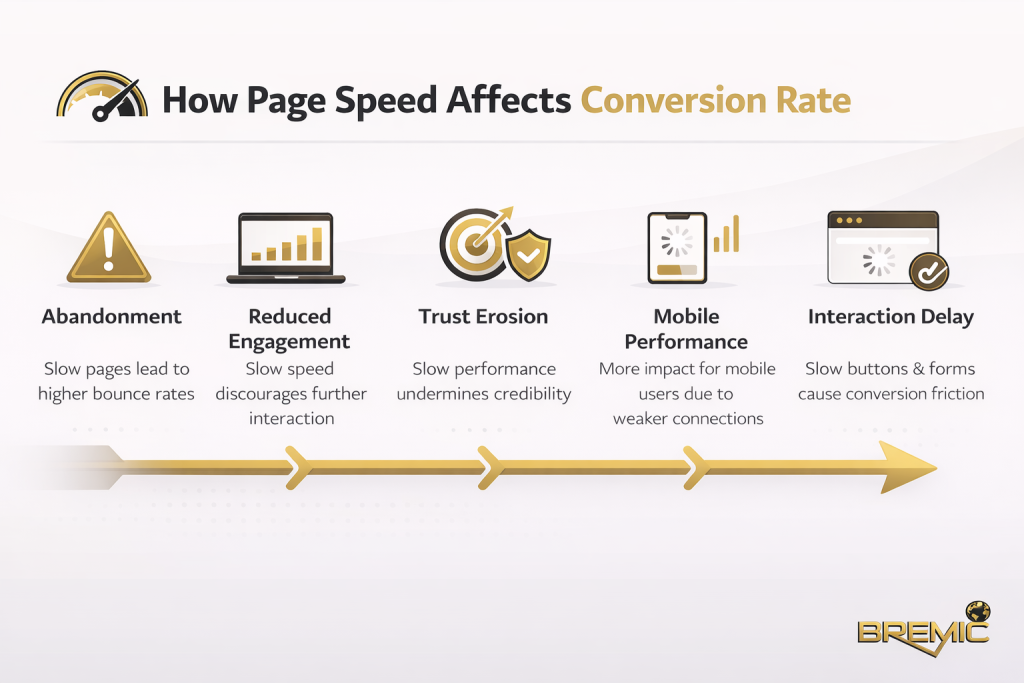
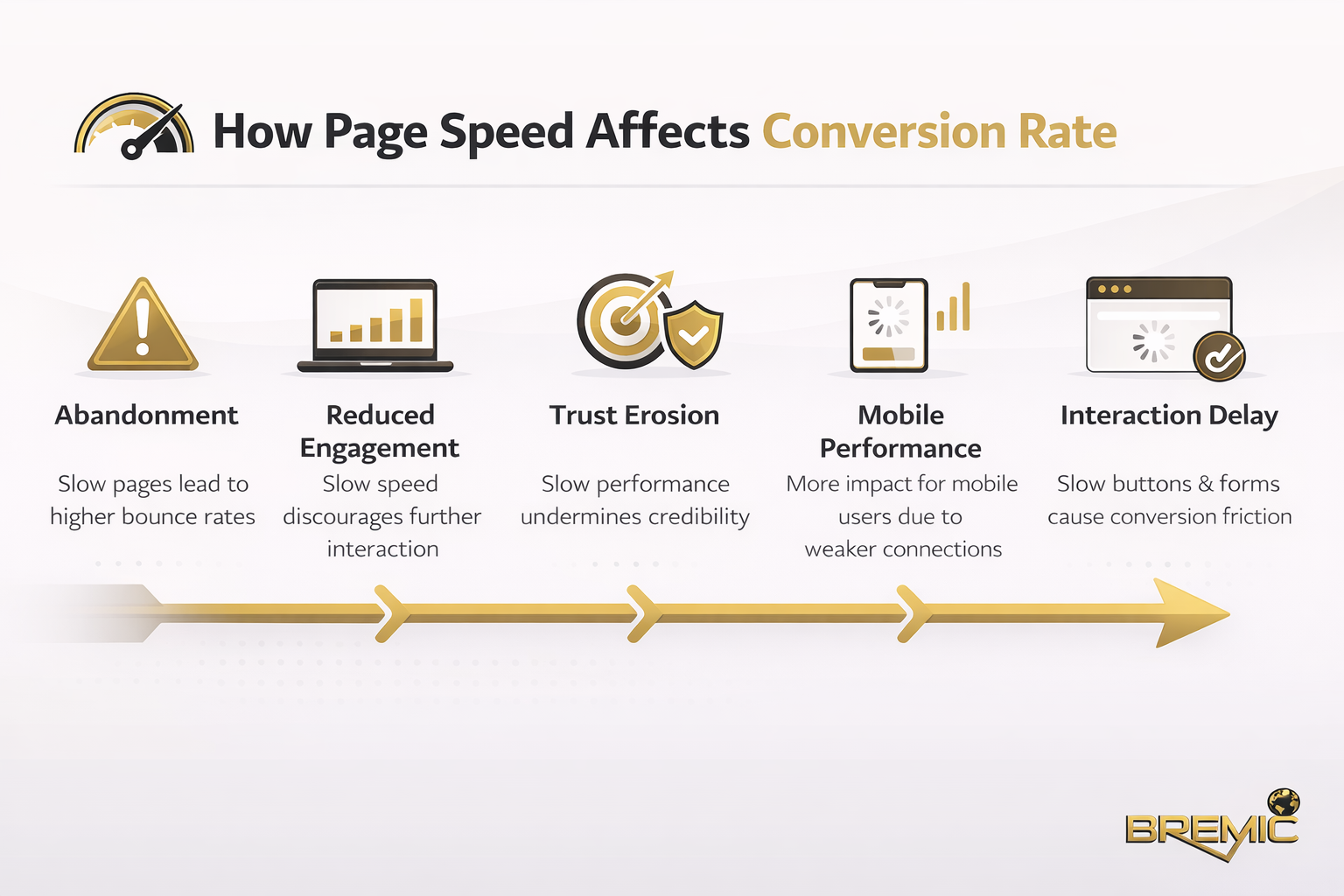
Design and SEO are closely connected. A hotel website that loads slowly, performs badly on mobile, or hides important content behind poor site structure will struggle to rank as well as it should.
Search engines reward websites that offer a strong user experience and clear information architecture. For hotels in a competitive local market such as Hua Hin, that means design decisions affect visibility for queries related to accommodation, beachfront stays, family hotels, boutique hotels, weekend escapes, and local travel planning.
A strong design framework helps search performance by improving:
- mobile usability
- page speed
- crawlable content structure
- internal linking opportunities
- user engagement signals
- landing page relevance for search intent
It strengthens brand authority
A hotel website also shapes perceived quality. Guests often judge the property through the website before they judge the rooms themselves. If the site feels outdated, inconsistent, or difficult to use, it can reduce trust even if the hotel experience is strong in reality.
For independent hotels especially, a polished and usable site can narrow the credibility gap between them and larger hotel brands.
How it works and how to apply it
The best website design for hotels in Hua Hin usually follows a simple principle: reduce decision friction at every stage.
Start with the booking journey
Before choosing a layout, the hotel should define the key user paths. Most visitors arrive with one of a few goals:
- compare rooms
- check prices or availability
- confirm location
- evaluate amenities
- decide whether the hotel fits their trip type
The design should support those goals immediately.
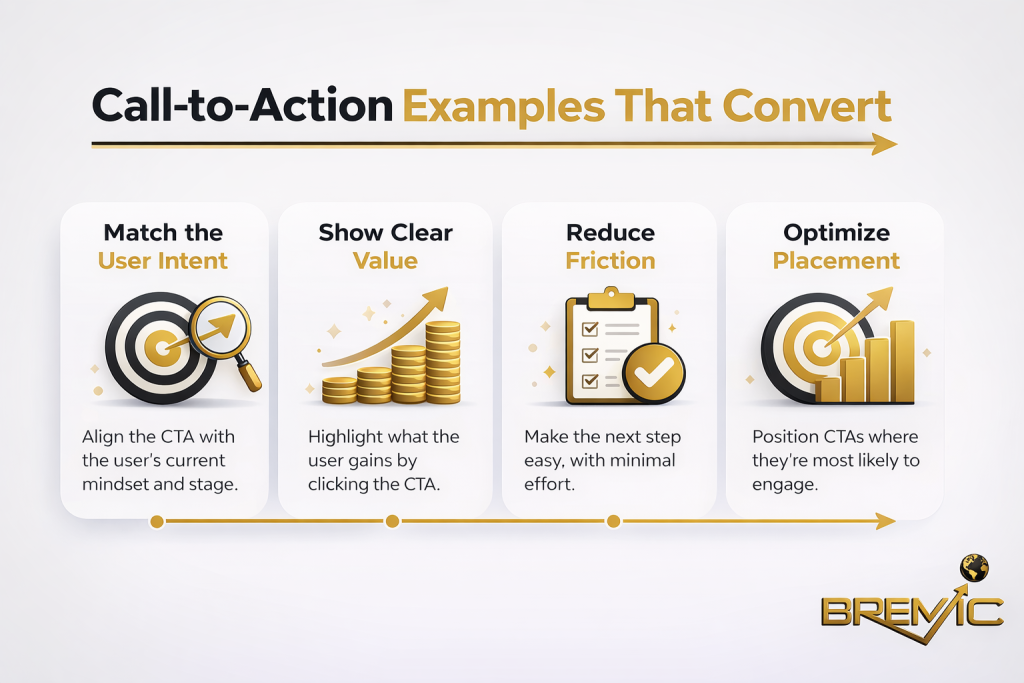
That means the homepage should not try to do everything at once. It should guide users toward the next logical step. Clear room navigation, visible calls to action, strong imagery, and concise positioning are usually more effective than oversized sliders or long brand statements.
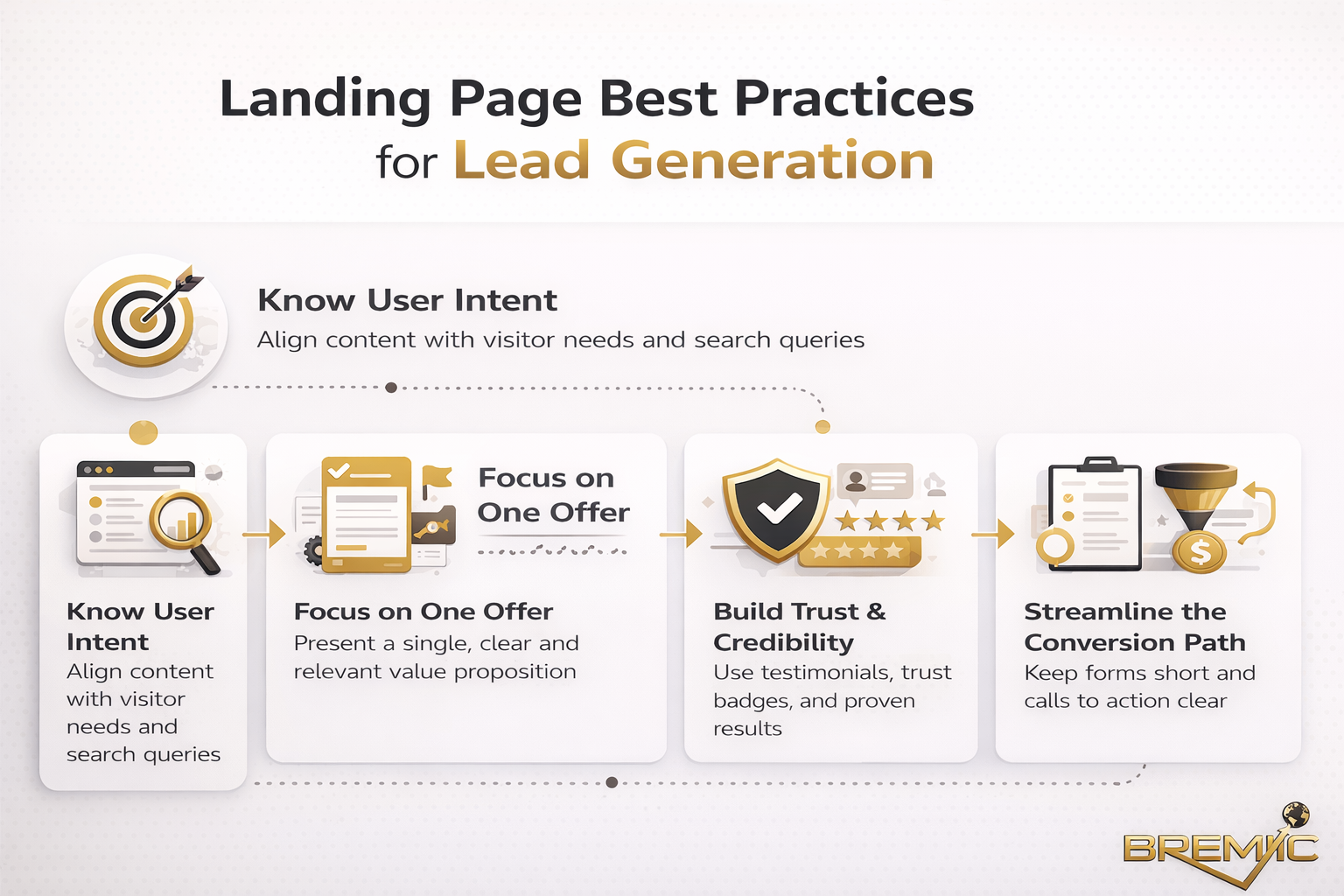
Build around user intent
A hotel website should be designed around what guests need to know before they book.
That typically includes:
- room categories and clear differences between them
- photos that reflect the actual experience
- pricing or booking access
- location context and nearby attractions
- facilities and amenities
- policies on check-in, cancellation, family stays, pets, or parking
- credibility signals such as reviews, awards, or media mentions where appropriate
For Hua Hin hotels, local context also matters. Guests may care whether the property is near the beach, night market, golf courses, family attractions, train station, or specific resort zones. Good design makes those answers easy to find without forcing users to search multiple pages.
Make mobile the default, not an afterthought
Hotel traffic is heavily mobile, especially for destination research and shortlisting. A desktop-first design approach usually creates avoidable problems.
Mobile-first Web Design means:
- fast-loading pages
- clean menus
- easy thumb-friendly navigation
- readable text without zooming
- booking forms that are simple to complete on a phone
- click-to-call and map integration where relevant
This is not only a usability issue. It also affects search performance and conversion efficiency.
Important subtopics
Information architecture matters more than visual decoration
Many hotel websites fail because the design process focuses too heavily on aesthetics and not enough on structure.
Information architecture determines how pages are grouped, labeled, and connected. A strong hotel site usually has a clear hierarchy such as home, rooms, dining, facilities, location, offers, gallery, and contact or booking.
This helps both users and search engines understand the site.
For topical authority, it also creates room for supporting content. A hotel website can benefit from cluster content around topics such as things to do in Hua Hin, family travel planning, wedding venues, long-stay accommodation, or area guides, depending on the business model. Design should make those related pages discoverable without distracting from core commercial actions.
Room pages need to sell clearly
A room page should not just display a few photos and a short paragraph. It should answer comparison questions.
Guests want to know:
- who the room is for
- how large it is
- what bed setup it includes
- what the view is like
- what amenities are included
- why they should choose it over another room type
The design should support that decision with clear layout, strong image sequencing, and visible booking access.
Photography and content must work together
Hotels often invest in photography, but presentation matters as much as image quality. Even strong photos can underperform if they are oversized, repetitive, slow to load, or disconnected from the booking narrative.
The best approach is to pair visual appeal with useful content. Images should support real decision-making, not just atmosphere. A guest should be able to move from seeing the property to understanding the offer.
Common mistakes
Designing for the hotel instead of the guest
Internal teams often prioritize what they want to say rather than what a visitor needs to know. That leads to vague headlines, excessive brand language, and important details being buried.
A hotel website should be guest-centered, not organization-centered.
Treating the homepage as the entire strategy
Some hotels over-invest in the homepage and neglect the deeper pages that actually convert. In practice, many users enter through room pages, offer pages, blog content, or location-focused landing pages.
Each important page should be designed as a serious entry point.
Overusing animation and visual effects
Animation can support presentation, but too much of it slows the site and distracts from the booking process. The best website design for hotels in Hua Hin is usually clean, refined, and efficient rather than flashy.
Weak content structure for SEO
Another common issue is relying on image-heavy pages with limited text, poor heading structure, and thin page differentiation. That makes it harder for search engines to understand relevance and reduces the site’s ability to rank for meaningful non-brand queries.
Practical guidance
If you are improving a hotel website, start with performance and usability before visual redesign.
Audit the site in this order:
Review conversion-critical pages first
Look at the homepage, room pages, booking flow, and contact paths. Identify where users hesitate or drop off. If the core commercial journey is weak, a visual refresh alone will not solve the problem.
Clarify page purpose
Every page should have a clear job. A room page should help users compare and book. A location page should reduce uncertainty about where the hotel is and what is nearby. A facilities page should reinforce value. A blog or guide page should support search visibility and topical relevance.
Improve content depth where it matters
Not every page needs to be long, but thin content is a problem. Add useful details where users genuinely need them. This is especially important on room, location, amenity, and offer pages.
Align design with search strategy
If the hotel wants stronger organic visibility, the website should support a clear site architecture. That may include a main accommodation or hotel page, location-focused landing pages, and supporting content that answers related search intent. Design should make internal linking natural and logical, not forced.
Timing and expectations
Results from better Web Design are rarely instant across every metric.
Usability and conversion improvements can show up relatively quickly if the booking journey becomes easier. SEO gains often take longer because search engines need time to recrawl pages, interpret improvements, and reassess relevance and quality.
Hotels should expect a phased impact:
- short term: improved usability, lower friction, better engagement
- medium term: stronger lead quality and more efficient direct booking behavior
- longer term: better organic visibility when design improvements are paired with technical SEO, content development, and internal linking
That is why design should be treated as part of a broader website strategy, not as a standalone creative project.
Conclusion
The best website design for hotels in Hua Hin is not the one with the most visual flair. It is the one that helps the right guest understand the property quickly, trust it easily, and book it with minimal friction.
Good hotel Web Design sits at the intersection of branding, usability, SEO, and conversion strategy. It should reflect the property well, but it also needs to perform under real conditions: mobile traffic, local search competition, comparison behavior, and direct booking pressure.
For hotel owners and marketers, the practical takeaway is simple. Design for clarity first, structure the site around real guest intent, and support it with content that is useful, specific, and easy to navigate. That is what turns a hotel website from a digital brochure into a reliable business asset.