Plenty of websites attract visitors and still fail to generate meaningful business results. On the surface, this looks like a traffic problem. In practice, it is usually a conversion problem.
If people are landing on your site but not filling out a form, booking a call, requesting a quote, or taking the next step, the issue is rarely solved by “getting more traffic.” More often, the site is attracting the wrong audience, creating friction in the user journey, or failing to turn interest into action.
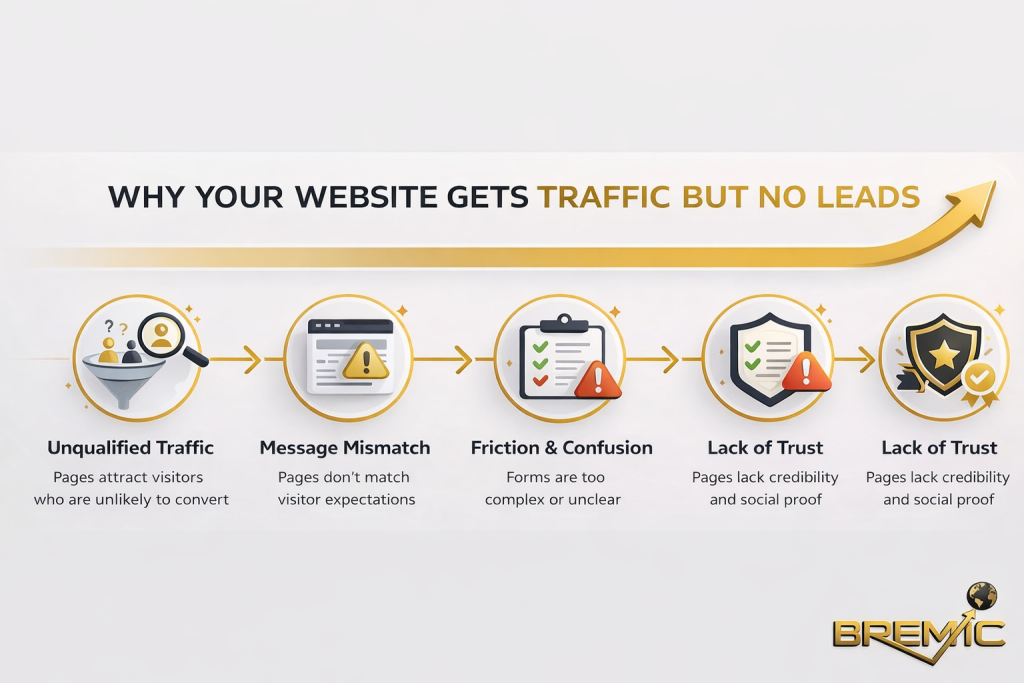
This is where a more strategic view of SEO matters. Rankings and clicks are only part of performance. Traffic has value when it aligns with intent and moves users toward a commercial outcome. That is why understanding why your website gets traffic but no leads is so important. It helps you identify whether the gap is caused by targeting, messaging, user experience, trust signals, or offer design.
This article breaks down the most common reasons behind the problem, explains where Conversion Rate Optimization (CRO) fits in, and shows how to approach the issue with realistic expectations.
What Is Conversion Rate Optimization (CRO)?
Conversion Rate Optimization (CRO) is the process of improving a website so a higher percentage of visitors take a desired action.
That action depends on the business model. For a service business, it may be a form submission or consultation booking. For a B2B company, it might be a demo request. For a local business, it could be a phone call or quote request. The point of CRO is not just to make pages look better. It is to make them work better.
In practical terms, CRO looks at questions such as:
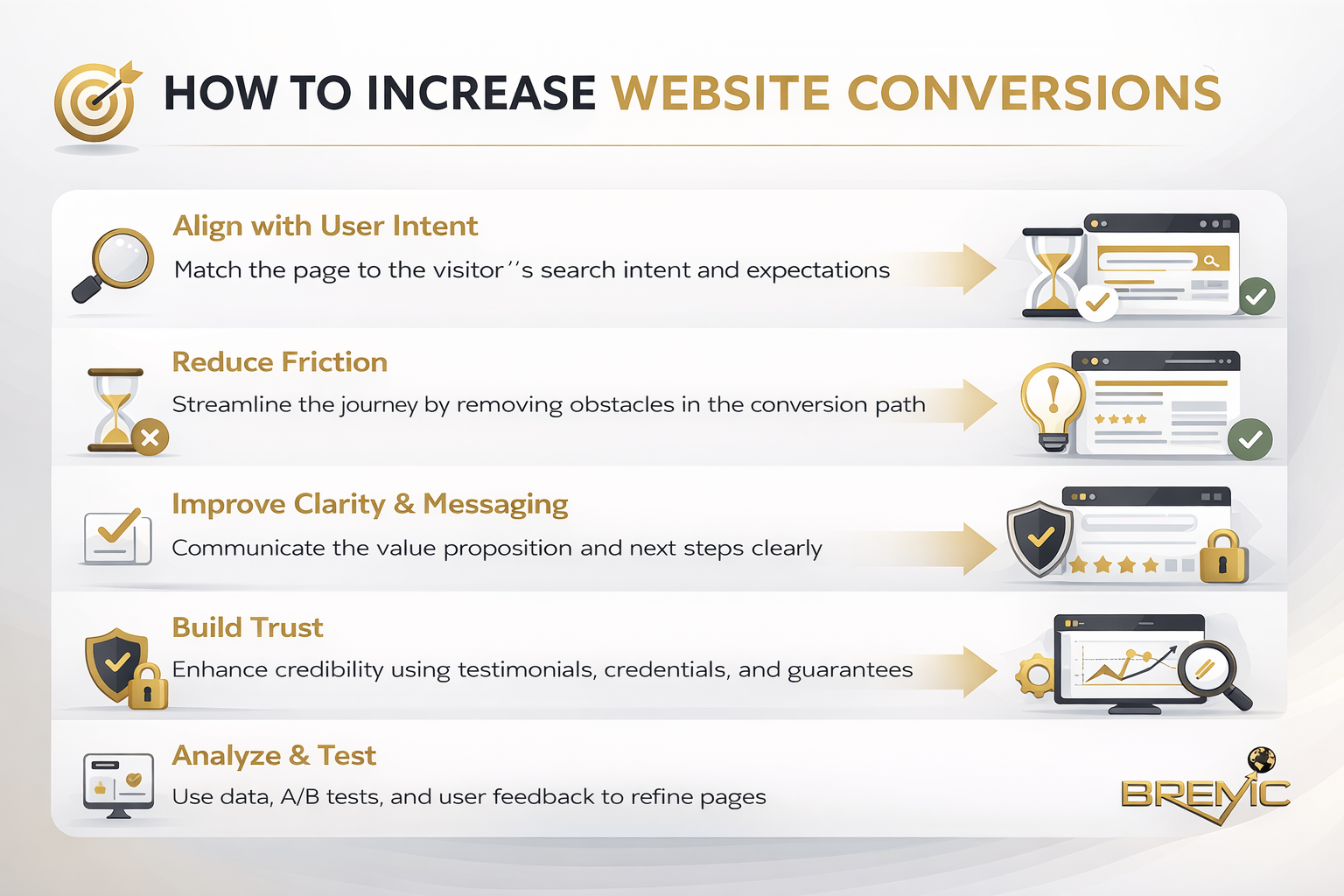
- Does the page match what the visitor expected to find?
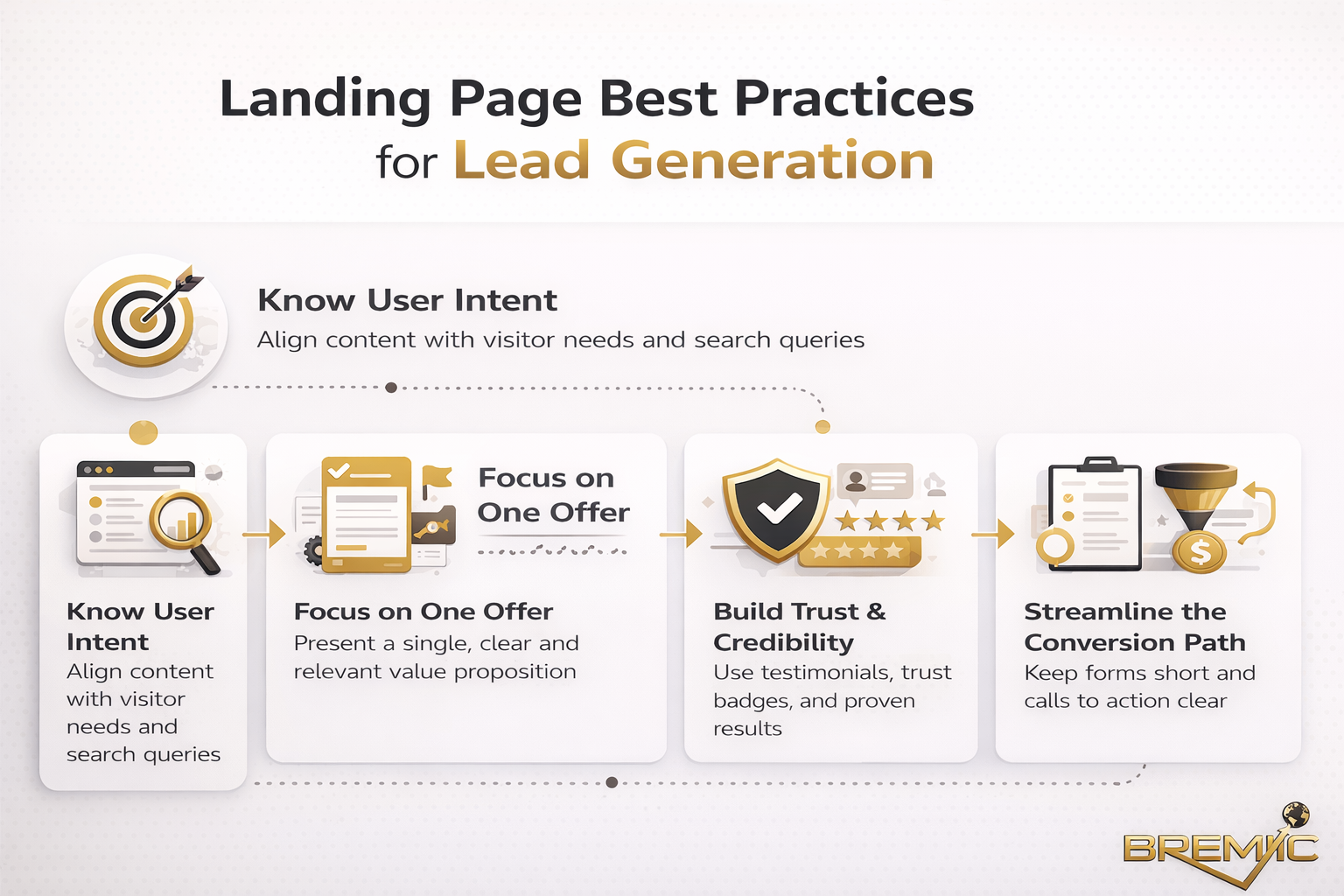
- Is the offer clear and relevant?
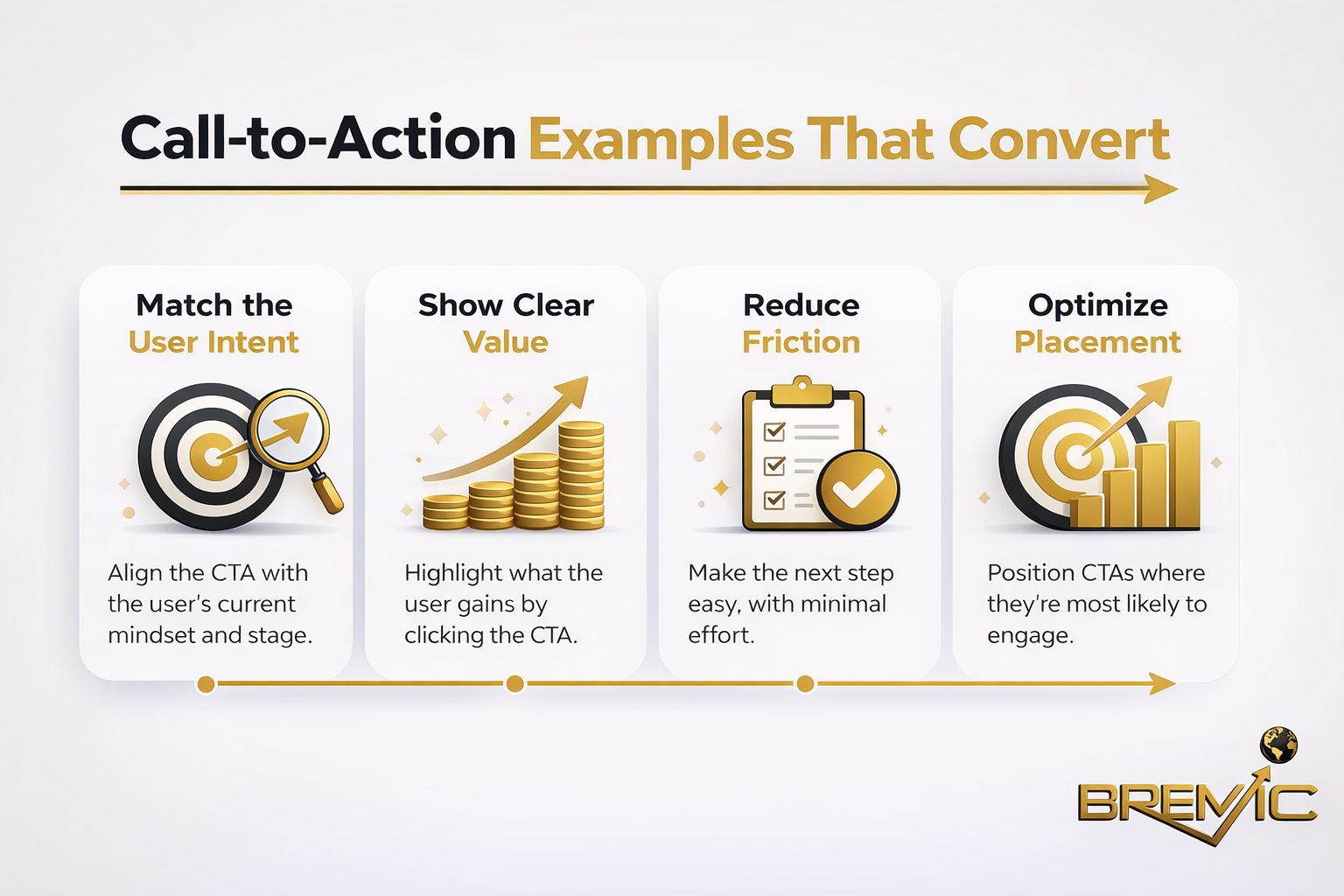
- Is the call to action visible and persuasive?
- Are there unnecessary steps causing friction?
- Does the page create enough trust for someone to convert?
CRO matters because traffic alone does not prove performance. A page can rank well, earn clicks, and still underperform if it does not help users move forward with confidence.
Why It Matters
SEO without conversion thinking creates weak business outcomes
A common mistake in SEO is treating traffic as the finish line. It is not. Traffic is an input. Leads, sales, and qualified enquiries are the outcomes that matter.
If your content strategy attracts visitors who are researching loosely related topics, you may see sessions increase while lead quality stays flat. That creates the illusion of growth without real business impact. This is one of the core reasons why your website gets traffic but no leads.
Search intent affects conversion potential
Not all traffic has the same value. A page targeting informational intent can bring in a large audience, but that does not mean those visitors are ready to buy. Someone searching for a definition, comparison, or broad how-to topic may still be far from making a decision.
This does not mean informational content is a bad investment. It can build authority, capture top-of-funnel demand, and support internal linking. But it should not be expected to convert like a service page or high-intent landing page. When expectations are misaligned with intent, teams often misread the problem.
CRO strengthens the commercial value of SEO
Good SEO gets the right people to the right pages. Good Conversion Rate Optimization (CRO) helps those pages convert more of the right people. The two disciplines work best together.
If SEO drives visibility but CRO is ignored, performance stalls. If CRO improves page experience but traffic quality is poor, results also stall. The strongest websites align acquisition and conversion instead of treating them as separate functions.
How It Works and How to Apply It
To fix the gap between traffic and leads, you need to diagnose the issue in the right order.
Step 1: Check whether the traffic is actually qualified
Start with the pages bringing in traffic. Then ask a harder question: are those pages attracting users who could realistically become leads?
Look at the keywords behind the traffic, not just the session numbers. If your site ranks for broad informational terms with low commercial relevance, the issue may not be the page experience at all. It may be a targeting mismatch.
For example, a service business may receive strong traffic from educational blog posts while its service pages remain under-visited. In that case, the problem is not simply conversion rate. It is that the growth is happening in the wrong part of the funnel.
Step 2: Evaluate message match
Once a visitor lands on the page, the page needs to match the promise of the search result. This is where many sites lose momentum.
If the title tag and meta description imply one thing, but the page delivers something broader, weaker, or less specific, users hesitate. They may stay briefly, scroll, and leave without taking action.
Message match includes:
- alignment between keyword intent and page purpose
- clarity of the problem being solved
- relevance of the offer to the visitor’s stage of awareness
- consistency between headline, supporting copy, and call to action
A page can be technically optimized and still fail because it does not answer the user’s real question quickly enough.
Step 3: Reduce friction in the conversion path
Even interested visitors drop off when the next step feels inconvenient or risky.
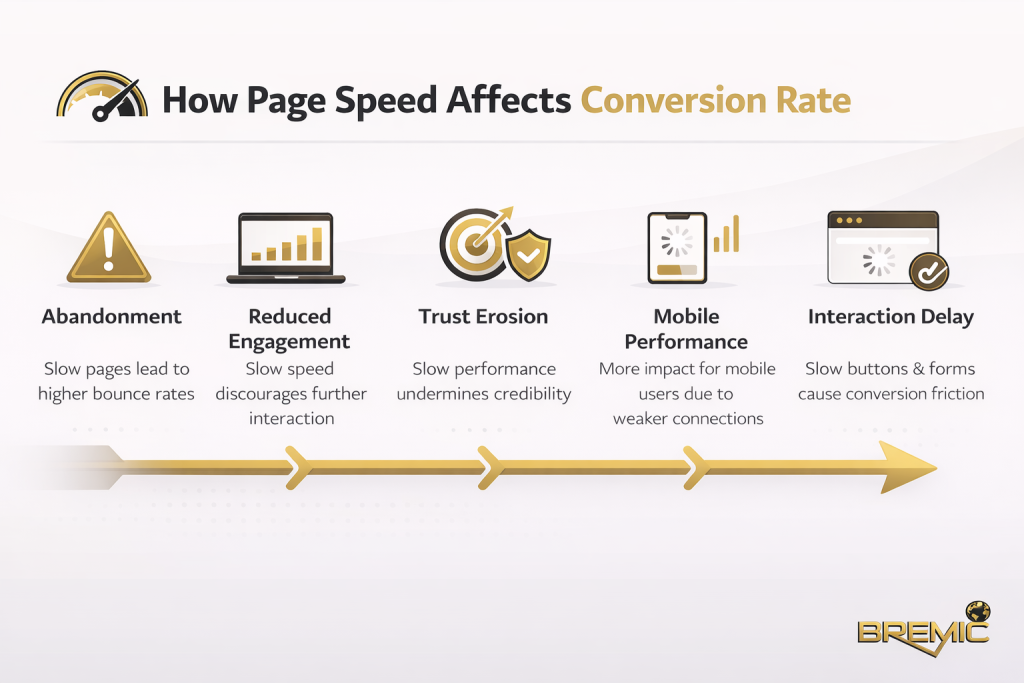
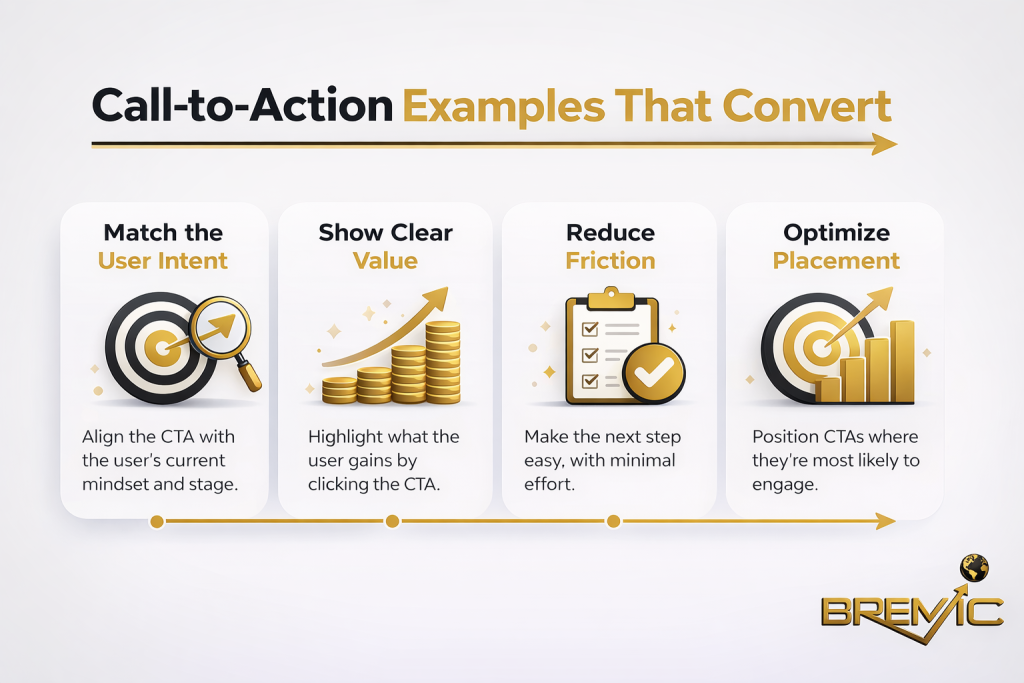
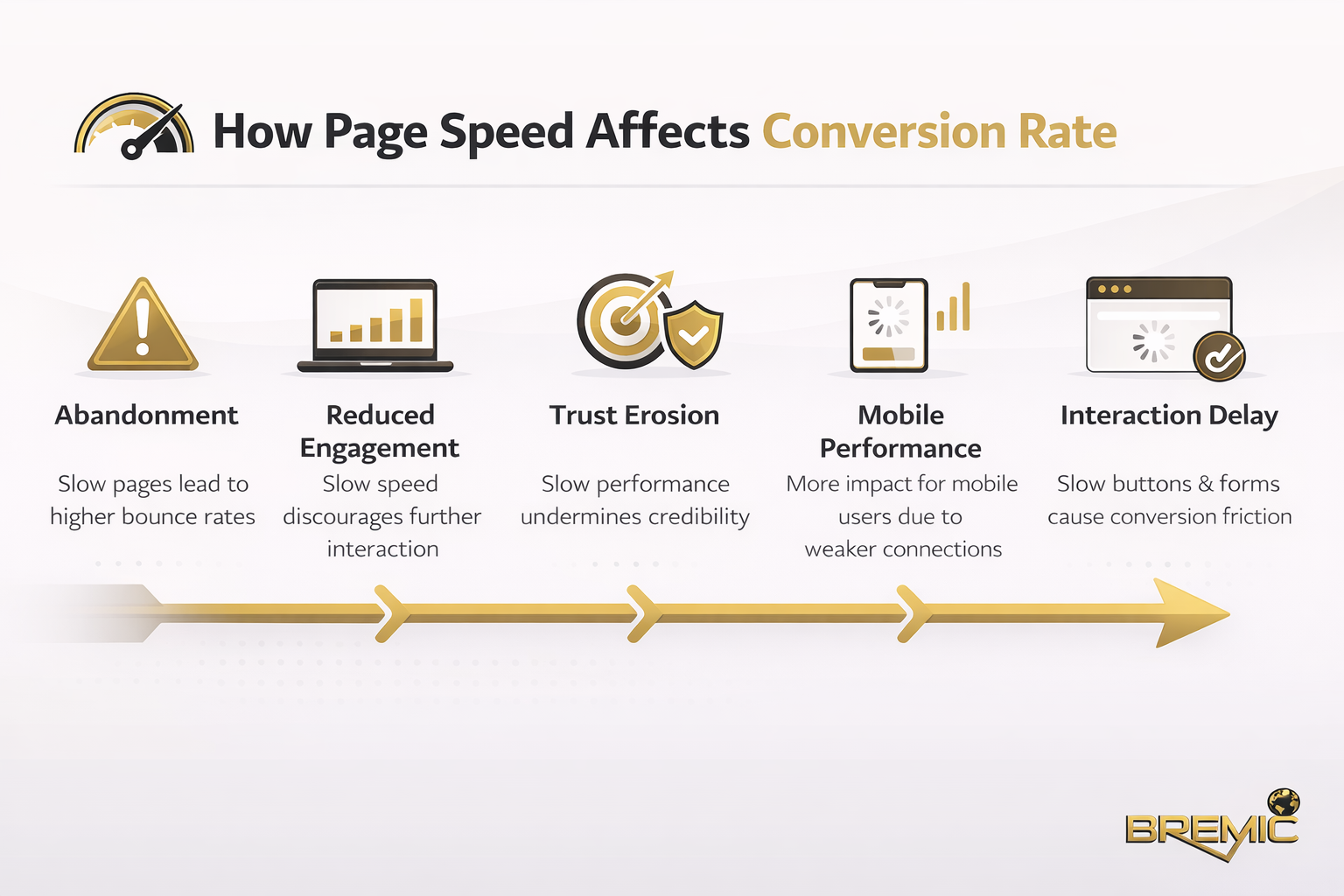
Common friction points include overly long forms, weak calls to action, confusing layouts, poor mobile usability, or too many competing options. In lead generation, small delays and uncertainties matter. If the user has to work to understand what happens next, conversions usually fall.
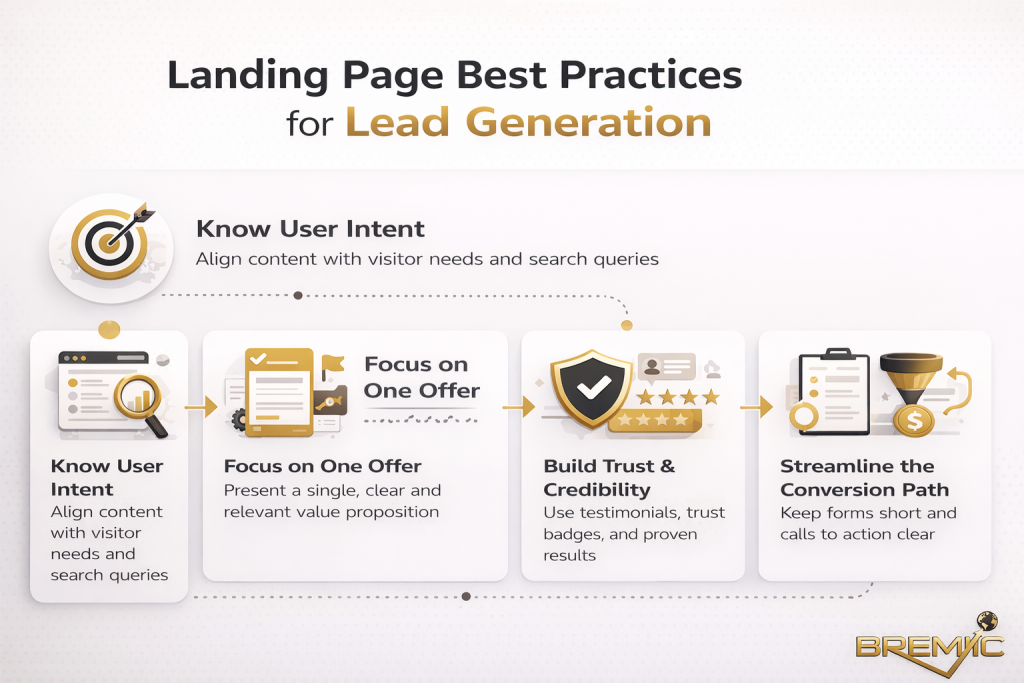
Strong CRO does not always require a redesign. Often, the biggest gains come from simplifying the path:
- make the primary action obvious
- reduce unnecessary fields
- clarify what happens after submission
- keep supporting information close to the call to action
Step 4: Build trust before asking for commitment
Many websites ask for a lead before they have earned enough trust.
This is especially common in service businesses, B2B offers, and higher-value transactions. Visitors want proof that you are credible, relevant, and safe to engage with. If the page lacks trust signals, traffic may arrive but leads do not follow.
Trust can be supported by:
- clear positioning and expertise
- case studies or proof of work
- testimonials with context
- transparent service details
- realistic claims instead of exaggerated promises
- visible contact information and business legitimacy cues
Trust is not decorative. It is part of conversion logic.
Important Subtopics
The difference between traffic volume and traffic quality
High traffic numbers can distract from poor commercial performance. A smaller number of highly relevant visitors is often more valuable than a large volume of loosely matched traffic.
This is why reporting should not stop at impressions, clicks, or sessions. You need to connect page-level traffic to conversion behaviour. Otherwise, you may invest in content that looks successful in SEO reports but contributes little to pipeline or revenue.
Content intent and page type need to align
Not every page should be judged by the same conversion standard.
A thought leadership article may exist to build visibility and authority. A service page should persuade and convert. A comparison page may support middle-funnel evaluation. Problems arise when businesses expect blog traffic to behave like buyer-intent traffic, or when they send buyer-intent users to pages built for education rather than decision-making.
Offer clarity matters more than many teams realize
Sometimes the issue is not the page design or the traffic source. The issue is that the offer itself is vague.
If users cannot quickly understand what you do, who it is for, and why they should act now, conversion suffers. Broad wording such as “we help businesses grow” sounds polished but says very little. Specificity usually converts better because it reduces ambiguity.
Common Mistakes
One common mistake is assuming that more traffic will solve a lead problem. If the existing traffic does not convert because of mismatch or friction, scaling it often just increases waste.
Another mistake is optimizing pages for visibility without considering the next step. A page may be written to rank, but not structured to convert. That creates a disconnect between SEO performance and business performance.
A third mistake is judging success too early or with the wrong metrics. A page with strong engagement but no conversions might still be useful if it assists later-stage pages. On the other hand, a page with high traffic and low lead value may be underperforming even if it looks healthy in analytics.
Finally, many teams make CRO too tactical. They test button colours, minor layout shifts, or headline variations before fixing more fundamental issues like intent mismatch, weak positioning, or poor offer design. Surface-level testing cannot compensate for strategic misalignment.
Practical Guidance
Start by identifying which pages attract the most organic traffic and which pages actually generate leads. The gap between those two groups usually reveals where the issue sits.
Then review each high-traffic page through three lenses:
Relevance
Does the traffic match your ideal customer and business goals? If not, revisit keyword targeting and content strategy.
Clarity
Does the page make the offer, value proposition, and next step obvious? If not, rewrite for precision rather than volume.
Friction
Is anything slowing the user down or creating doubt? If so, simplify the journey and strengthen trust signals.
This approach is more effective than making random edits across the site. It turns the problem into a structured diagnosis rather than a vague concern that “traffic is not converting.”
Timing and Expectations
Improving this issue can produce noticeable gains quickly in some cases, especially when the problem is obvious friction or weak messaging. But meaningful improvement usually comes from a sequence of adjustments rather than one change.
If the root problem is traffic quality, results may depend on revising your content targeting and waiting for SEO changes to take effect. If the issue is on-page conversion, improvements can happen faster, but they still require proper measurement and enough user data to evaluate.
A realistic expectation is that SEO and Conversion Rate Optimization (CRO) work cumulatively. Better targeting brings in more qualified visitors. Better page experience converts more of them. Over time, that creates a stronger and more efficient growth model.
Conclusion
When a site gets traffic but no leads, the problem is rarely as simple as low visibility. More often, it points to a disconnect between what the site attracts, what the page communicates, and what the user is ready to do next.
That is why the question of why your website gets traffic but no leads should be treated as a strategic diagnostic issue, not just a marketing frustration. The answer usually sits at the intersection of search intent, page purpose, offer clarity, trust, and friction.
The most effective response is not to chase more clicks blindly. It is to align SEO with conversion thinking. When the right visitors land on the right pages and those pages are built to support action, traffic becomes commercially valuable rather than just impressive on a report.