If you want to know how to run Google Ads in Thailand effectively, the main challenge is not opening an account. It is building a campaign structure that matches local search behavior, language realities, conversion goals, and budget discipline. Too many advertisers launch quickly, target the whole country, write generic English ads, and then assume Google Ads “doesn’t work.” In most cases, the issue is not the platform. It is the setup.
This matters because paid search in Thailand can be highly effective when the offer, targeting, and tracking are aligned. Search campaigns are designed to reach people who are actively searching for products or services, which makes them one of the clearest intent-driven channels inside Search Engine Marketing (SEM). But performance depends on the basics being done properly: campaign type, location settings, language settings, conversion tracking, keyword control, and budget management.
What is Search Engine Marketing (SEM)
Search Engine Marketing (SEM) is the practice of using paid visibility in search engines to generate traffic, leads, or sales. In practical terms, it usually means running campaigns on platforms like Google Ads so your business appears when people search for a relevant term. For most businesses asking how to run Google Ads in Thailand, the immediate SEM focus is Google Search campaigns rather than a broad mix of display, video, and discovery formats. That keeps intent high and analysis cleaner.
SEM is not the same as SEO, but the two should support each other. SEO builds long-term visibility and authority. SEM gives you faster testing, faster traffic, and clearer short-term demand signals. A well-run account can even strengthen your wider content strategy by showing which search queries actually convert, which landing pages underperform, and which commercial intents deserve dedicated SEO pages later. That is where Google Ads becomes strategically useful, not just operationally active.
Why it matters
For businesses in Thailand, Google Ads is often most valuable when the market is competitive, the buying cycle is short to medium, and you need demand now rather than only relying on organic growth. Search campaigns put you in front of users who are already expressing intent. That is very different from interruption-based advertising.
It also matters because Thailand is rarely a one-language, one-audience market. Many businesses serve Thai-speaking customers, English-speaking residents, tourists, expats, or B2B buyers who move between languages. Google Ads language targeting is based on languages users understand, and ads may still serve when keywords match and Google believes the user understands one of the targeted languages. That means your language setup should reflect your customer mix, not just your preferred copy language.
How it works and how to apply it
Start with the right campaign type
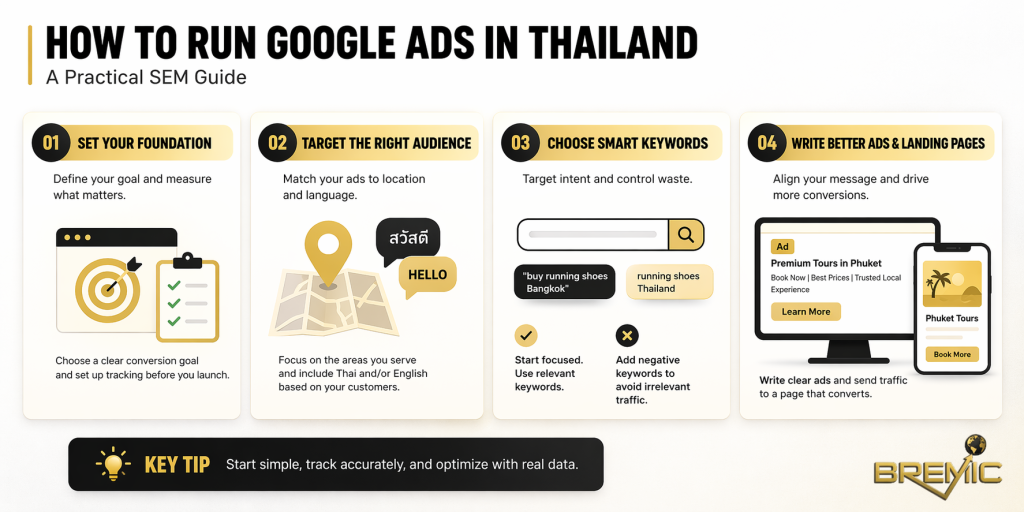
If the goal is lead generation, bookings, purchases, or inbound enquiries, a Search campaign is usually the best first move. Google states that Search campaigns let you show ads to people actively searching for your products or services. For a business learning how to run Google Ads in Thailand, that usually gives you the cleanest signal before expanding into broader campaign types.
Do not begin by launching multiple campaign types just because the interface suggests them. Start with one campaign type, one clear objective, and one measurable conversion path.
Define the conversion before you spend
Before choosing bids or writing ads, decide what counts as success. Google Ads conversion measurement is built around specific actions such as purchases, leads, form submissions, calls, or sign-ups. Google also uses conversion goals to support bidding and optimization, so poor conversion setup weakens the entire account.
In practice, this means you should not launch until you can answer three questions:
- What exact action do we want from the click?
- On which page does that action happen?
- Can we measure it accurately?
If you cannot answer those questions, your campaign is not ready.
Set location targeting for the real market, not the broadest market
Google Ads allows targeting by country, area within a country, radius, and certain location groups, and the available location target types can vary by country. For Thailand, that means you can target nationwide, but you should not default to that unless your logistics, service capacity, and pricing truly support it.
A Bangkok clinic, a Phuket tour company, and a national e-commerce brand should not use the same location logic. Local businesses usually need tighter geographic targeting. National brands may still need campaign splits by region if performance differs by city, language mix, or delivery economics.
Build language settings around customer reality
Google allows targeting one language, multiple languages, or all languages, and ads can still become eligible when keywords match and Google believes the user understands a targeted language. In Thailand, this is especially important because some audiences search in Thai, some in English, and some mix both.
A common mistake is to target only English because the business owner prefers to manage campaigns in English. That is an internal preference, not a market strategy. If your buyers think and search in Thai, your campaign needs Thai keywords, Thai ad copy, and Thai landing pages or at least a Thai-friendly user journey.
Choose keywords with control, not optimism
Google Ads uses keyword match types to determine how closely a keyword must relate to a user’s search for your ad to be considered. That gives you control, but it also creates responsibility. Broad match can expand reach. Exact match can tighten intent. Neither is automatically right in every case.
For most new campaigns, the sensible approach is to start with a tightly themed keyword set built around clear commercial intent. Then review actual search terms and expand or exclude based on evidence. This is one place where SEM directly supports SEO planning, because real search term data often reveals how people actually phrase buying intent.
Write ads that match the search and the landing page
Responsive search ads let you enter multiple headlines and descriptions, and Google tests combinations over time to learn which messages perform better. That flexibility is useful, but it does not replace positioning. Your ad still needs to match the query, reflect the offer, and send users to a relevant page.
Good Google Ads copy in Thailand is usually specific, local, and commercially direct. Generic claims like “best service” or “top quality solutions” are weak unless supported by a clear offer, differentiator, or next step.
Important subtopics
Budget and billing setup
Google’s payment methods and payment settings vary by country, currency, and account setup. In other words, your Thailand campaign structure may be excellent, but the ads still will not run properly if billing is incomplete or mismatched.
This is operational, but it matters. Get the billing country, currency, and payment method sorted before launch so you are not troubleshooting avoidable delivery issues after the campaign is live.
Bidding strategy
Smart Bidding uses Google AI to optimize for conversions or conversion value at auction time, and it relies on conversion signals to work well. That means automation is useful, but only after your measurement foundation is credible.
For a new account, do not assume automation will rescue weak tracking, vague goals, or poor landing pages. Smart Bidding can improve efficiency, but it is not a substitute for strategy.
Search term control and negative keywords
Google’s search terms report shows the actual searches that triggered your ads, while negative keywords help stop irrelevant traffic. Negative keywords also behave differently from normal keyword expansion, so they need deliberate management.
This is where many Thailand campaigns either become profitable or quietly waste budget. If you do not review search terms regularly, you are letting the account drift.
Common mistakes
The most common errors are not technical. They are strategic.
One is targeting Thailand too broadly when the business only serves a few cities. Another is treating language targeting as an afterthought. Another is skipping conversion tracking and then judging success by clicks alone. Google’s own setup and conversion documentation makes clear that campaign objectives, goals, and measurement are tied closely to how the system optimizes.
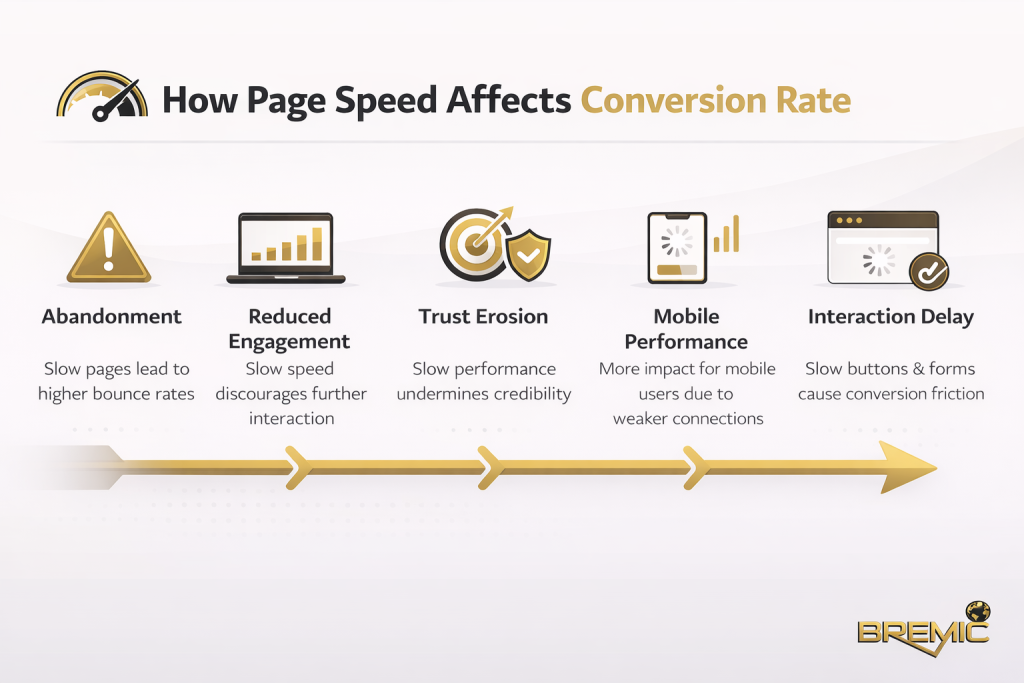
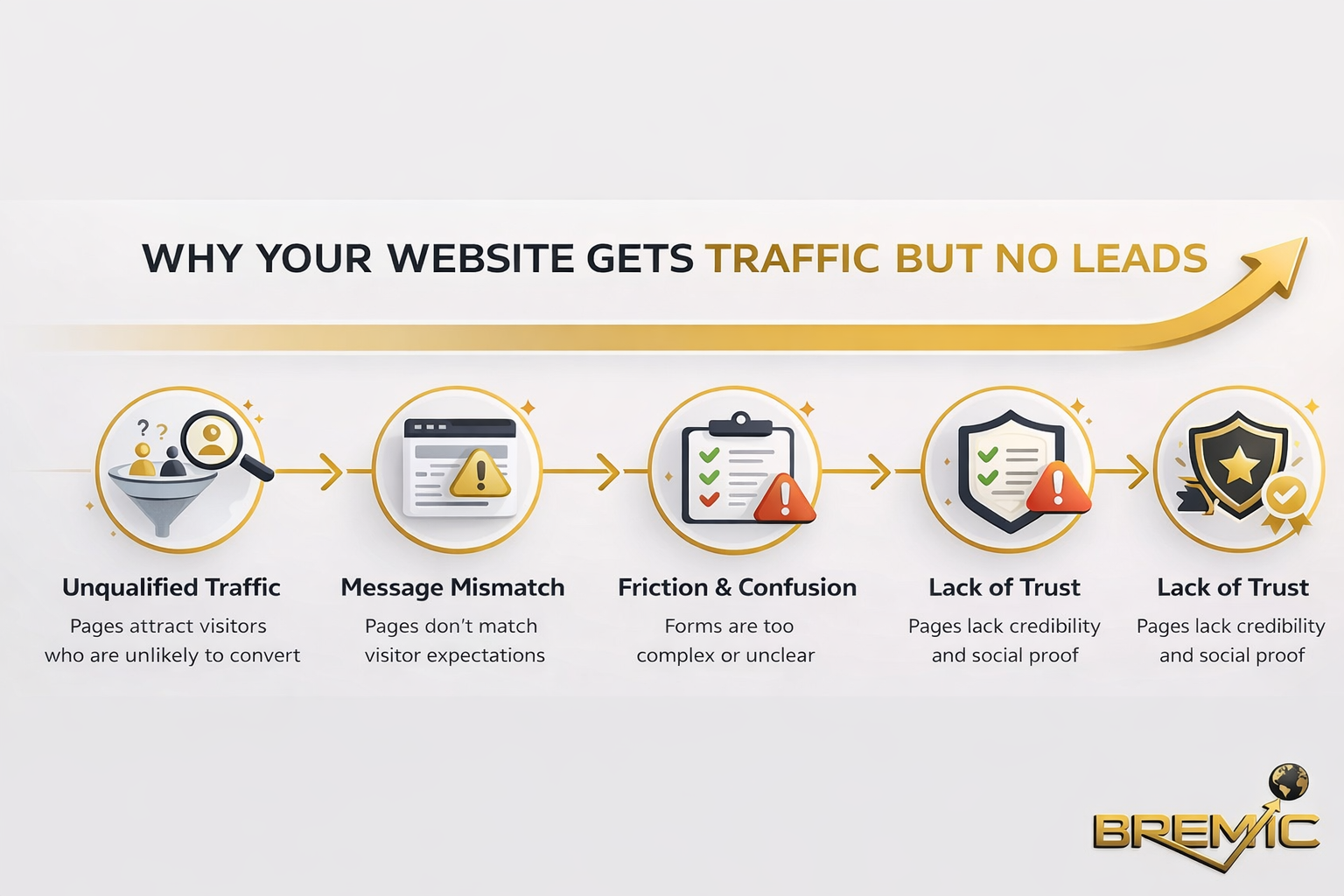
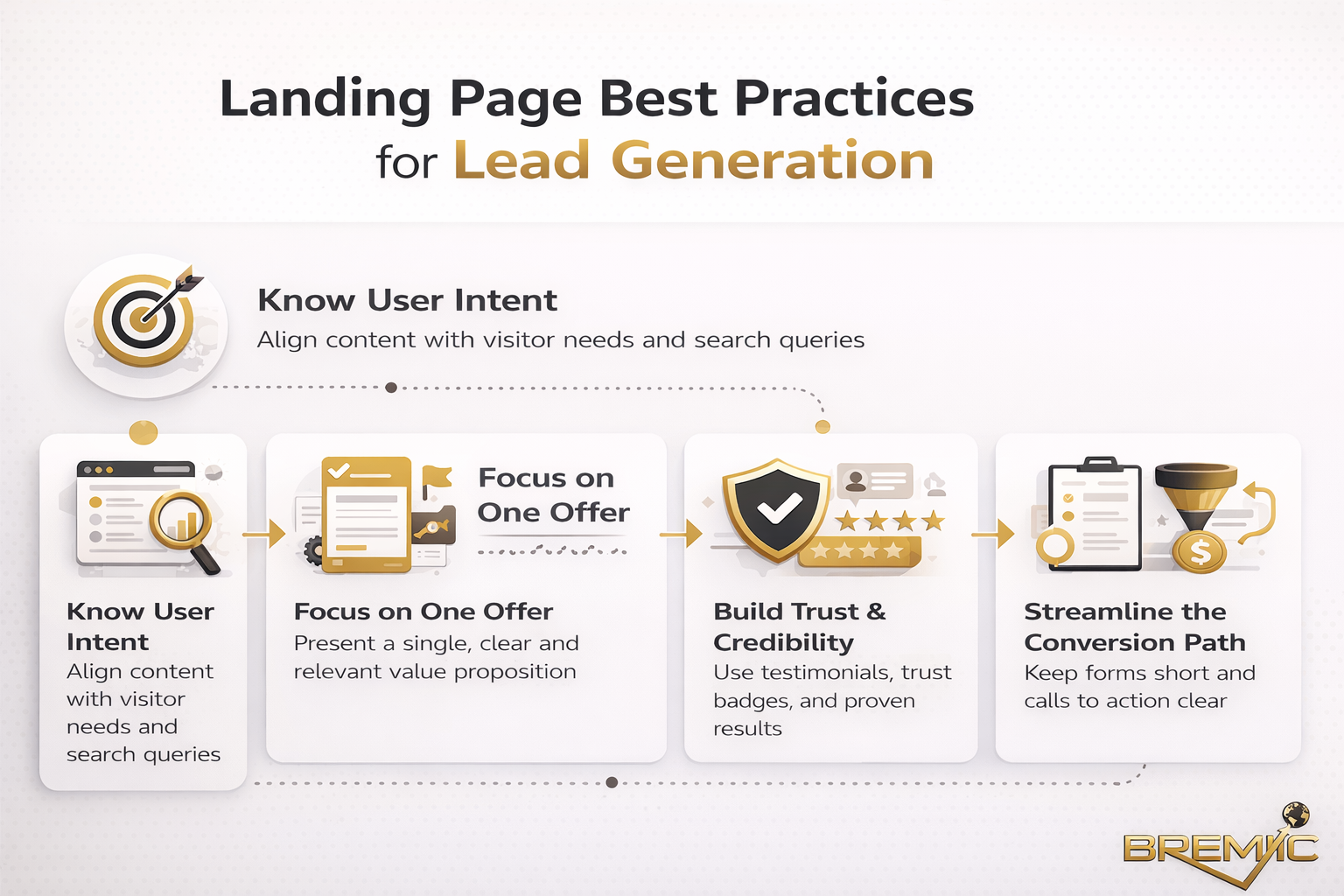
Another frequent mistake is using a weak landing page. Even a well-targeted ad will struggle if the page is slow, vague, or misaligned with the query. Google Ads can buy the visit. It cannot fix a poor offer or unclear next step.
Practical guidance
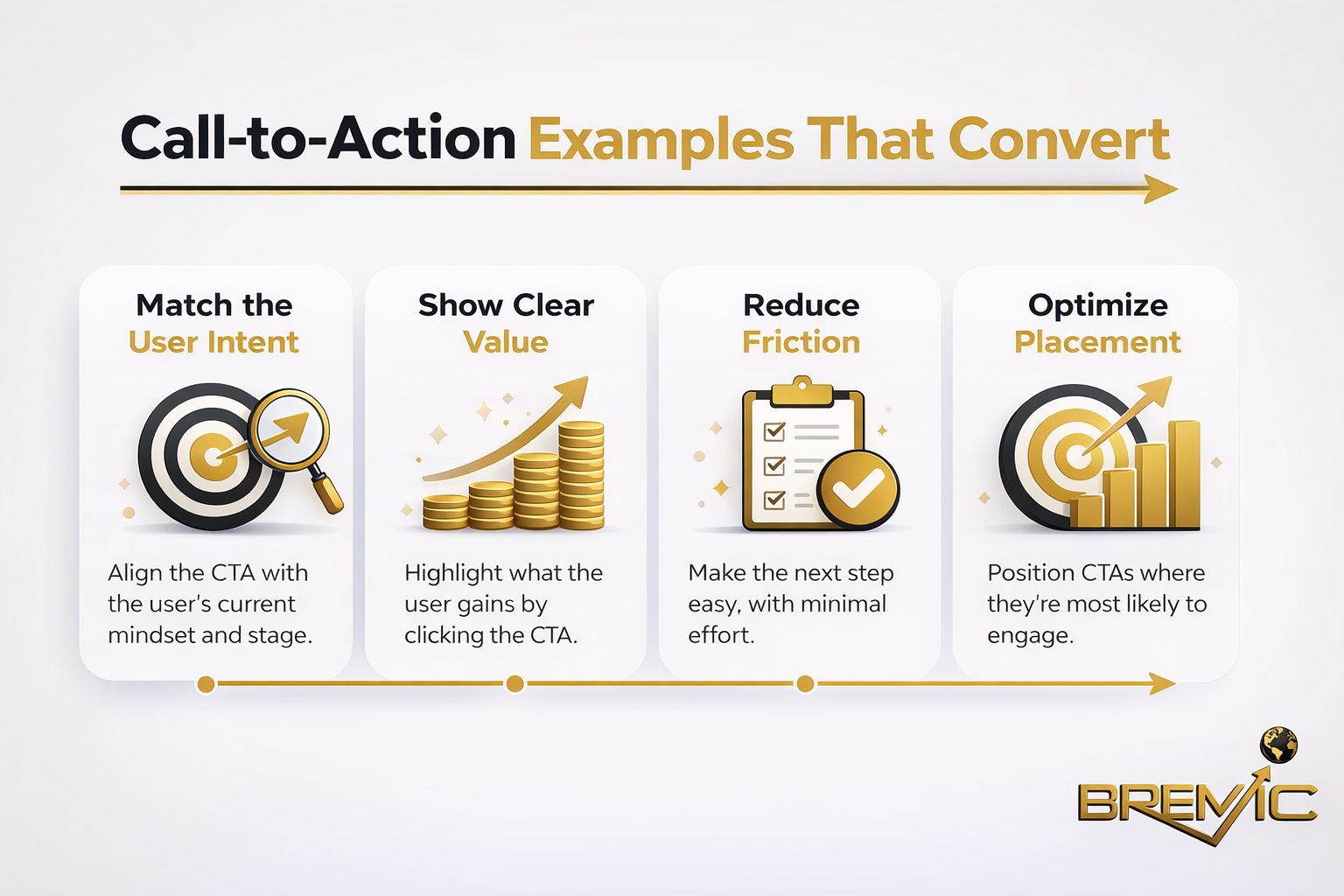
If you are serious about how to run Google Ads in Thailand, keep the first phase disciplined.
Launch one focused Search campaign. Use a clear conversion goal. Limit targeting to the area you can actually serve. Build language coverage around your real audience. Start with tightly grouped keywords. Write ads that reflect the exact service or offer. Send traffic to a page designed to convert, not just a generic homepage. Then review search terms, conversion quality, and geographic performance before scaling.
From a cluster-content perspective, this topic naturally connects to related articles on keyword research, local SEO, landing page optimization, conversion tracking, and negative keywords. Those are not side issues. They are the support structure that makes SEM perform.
Timing and expectations
Google Ads can start serving soon after billing is submitted and the campaign is approved, but meaningful optimization takes longer than launch. Billing setup affects when ads can begin running, while bidding and conversion systems need enough clean data to improve performance over time.
So the realistic expectation is this: you can generate traffic quickly, but you should not expect a fully optimized account immediately. The first stage is about validating targeting, messaging, and conversions. The second stage is about improving efficiency. The third stage is about scaling what already works.
Conclusion
Learning how to run Google Ads in Thailand is not mainly about clicking through the setup wizard. It is about matching campaign structure to market reality. Good SEM comes from strategic targeting, accurate measurement, relevant ads, and disciplined optimization.
If you approach Google Ads as a system, not a shortcut, it can become a reliable source of qualified traffic and conversion data. That is the real value. Not just paying for clicks, but building a search marketing engine that supports both immediate lead generation and stronger long-term marketing decisions.