Google Ads can generate qualified traffic quickly, but speed is also what makes it expensive when the fundamentals are wrong. The most common Google Ads mistake is not choosing the wrong bid strategy or writing a weak ad headline. It is sending paid traffic to campaigns that are not properly set up to convert, track, and learn.
That mistake sounds simple, but it affects almost every part of performance. If your landing page does not match search intent, your conversion tracking is incomplete, or your campaign structure is too loose to produce useful data, you end up paying for traffic without building a reliable acquisition system. The result is usually the same: rising spend, inconsistent leads, and poor decision-making.
This matters because Google Ads is not just a traffic platform. It is part of a broader Search Engine Marketing (SEM) strategy. To use it well, you need alignment between keyword intent, ad messaging, landing page experience, and conversion measurement. This article explains what that means in practical terms, why this mistake is so common, and how to avoid it.
What is Search Engine Marketing (SEM)
Search Engine Marketing (SEM) is the practice of using search engines to drive qualified traffic through paid visibility, and in many cases in coordination with organic search strategy. In practical terms, SEM most often refers to paid search advertising, such as Google Ads campaigns that appear when users search for products, services, or solutions.
Unlike organic SEO, which builds visibility over time, SEM allows you to enter commercial search results immediately. That makes it valuable for testing offers, capturing demand, and supporting lead generation. It also means mistakes become costly quickly, because every click has a price attached to it.
A strong SEM program is not only about getting impressions or traffic. It is about matching a searcher’s intent with the right message, the right page, and the right next step. When those elements are disconnected, performance usually deteriorates regardless of budget.
Why this mistake matters
A common Google Ads mistake does not stay isolated inside the ad account. It affects efficiency, data quality, and strategic confidence.
When campaigns are launched before the conversion path is ready, several problems appear at once. Click-through rates may look acceptable, but lead quality drops. Cost per click may be manageable, but cost per acquisition becomes unpredictable. Campaign data starts to mislead rather than inform, because the account is optimizing around weak or incomplete signals.
From an SEO and wider digital strategy perspective, this also creates confusion. Teams may conclude that a keyword category has low value when the real issue is a poor landing page. They may think a market is too competitive when the real issue is poor tracking. They may keep rewriting ads when the actual bottleneck sits after the click.
That is why this topic matters beyond paid media execution. It touches website performance, conversion architecture, audience understanding, and the long-term relationship between SEO and paid search.
How the mistake actually works
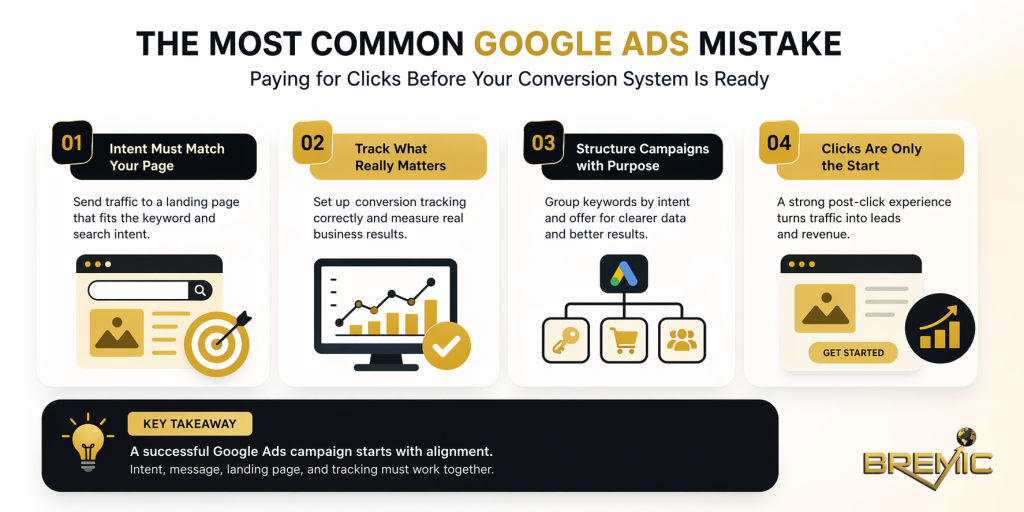
The mistake usually happens in a familiar sequence. A business wants leads quickly, launches a campaign, chooses a group of keywords, writes ads, and points traffic to an existing page. On the surface, that feels reasonable. In practice, the account often goes live before three critical conditions are met.
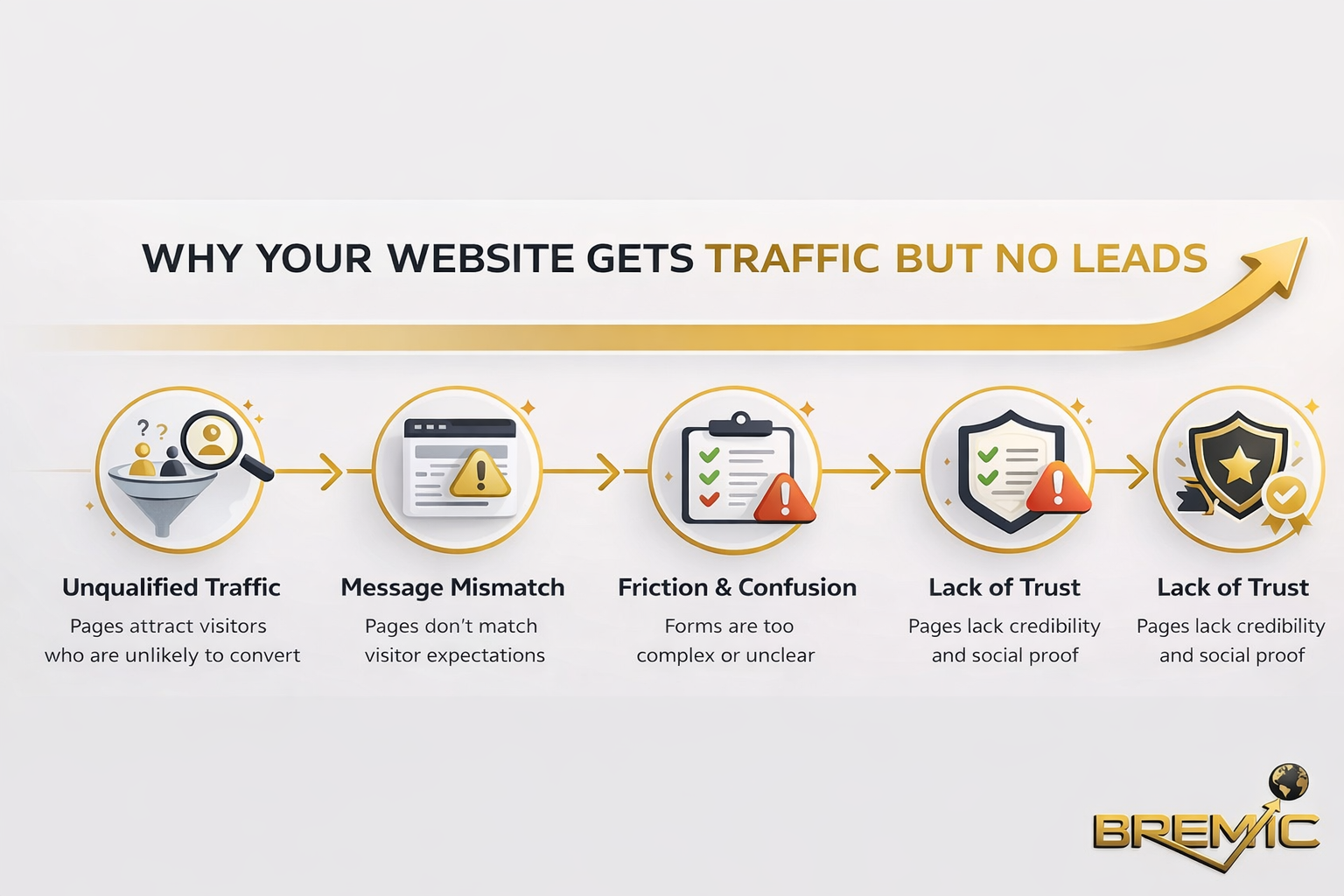
First, the landing page is not built for the intent behind the keyword. A user searching for a specific service may land on a general homepage or a broad service overview with no strong next step.
Second, conversion tracking is incomplete or poorly defined. That means the account cannot distinguish between a valuable lead, a low-quality inquiry, and a meaningless interaction.
Third, the campaign structure is too broad to produce usable learning. Different intents, audiences, and offer types are grouped together, which makes optimization vague and reactive.
This is why many advertisers think they have a traffic problem when they actually have a systems problem.
The click is only the start
In high-performing Google Ads accounts, the click is not treated as the success metric. It is only the entry point. What matters is what happens next: whether the visitor finds what they expected, whether they trust the page, and whether they complete a meaningful action.
If the post-click experience is weak, more traffic usually makes the problem worse rather than better.
Google can only optimize what you measure
Modern campaign types rely heavily on behavioral and conversion data. If the account is set up with poor signals, automated bidding does not fix the strategy. It simply optimizes within flawed inputs.
That is an important distinction. Automation can improve execution, but it cannot replace strategic clarity.
Important subtopics that shape performance
Search intent alignment
Intent mismatch is one of the clearest signs behind this common Google Ads mistake. Not all searchers want the same thing, even when the keywords appear related.
A user searching for “best CRM for consultants” is in a different stage from someone searching for “CRM consultant software pricing.” If both are sent to the same generic page with the same message, conversion performance will likely suffer.
Intent alignment requires you to think at the query level, not just the topic level. Your keywords, ad copy, and landing page should all reflect the same need and the same stage of decision-making.
Landing page relevance
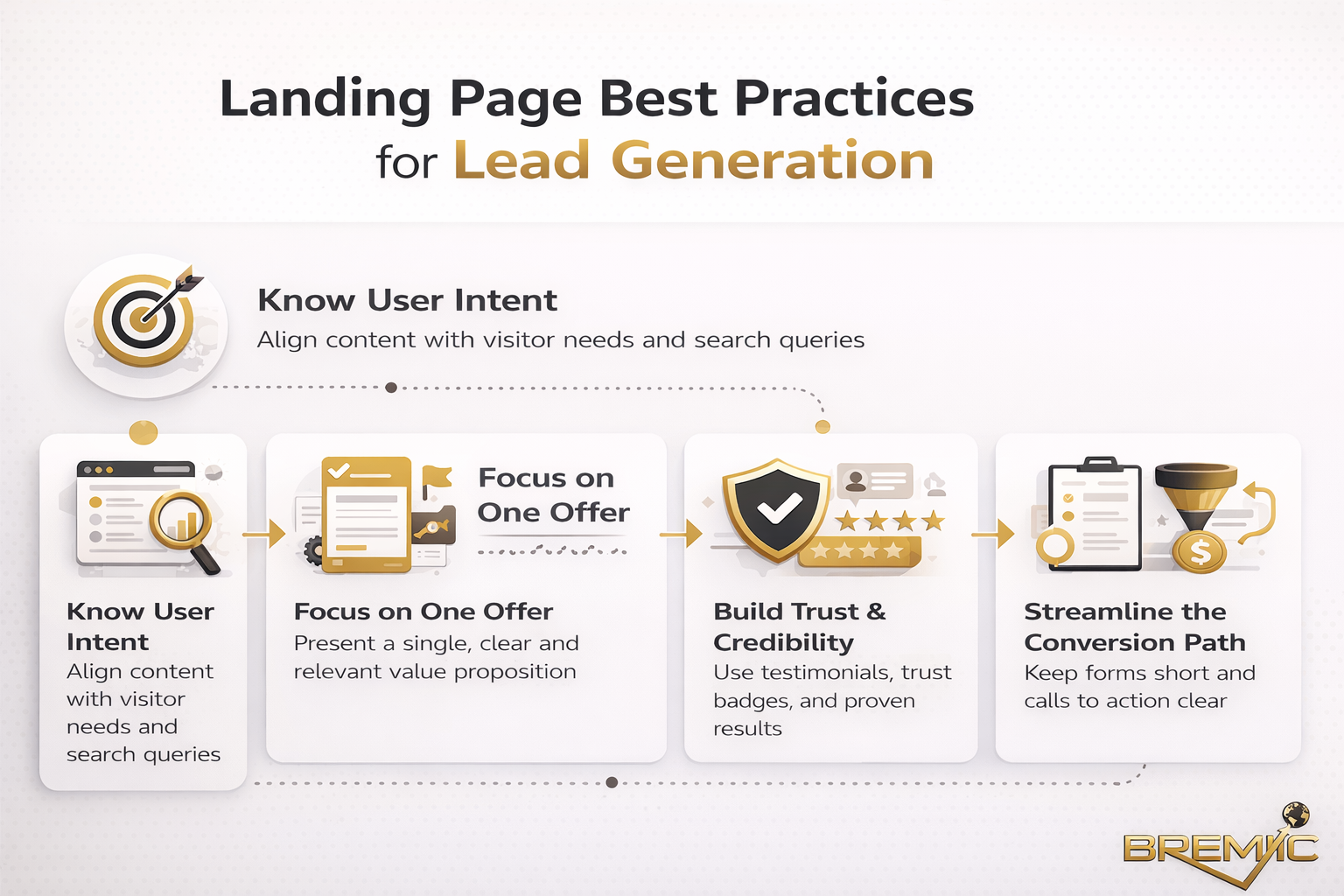
Many campaigns underperform because the landing page was created for the website, not for the searcher. A strong paid landing page does not need to be flashy, but it does need to be precise.
The page should confirm the offer quickly, reduce ambiguity, and make the next step obvious. If visitors need to interpret what you do, search through navigation, or guess whether the page applies to them, conversion friction rises immediately.
This is also where SEM and content strategy overlap. Supporting articles on topics such as landing page optimization, keyword intent, and conversion-focused page structure naturally belong in the same content cluster.
Conversion tracking quality
Weak tracking creates false confidence. Businesses often count form views, button clicks, or low-value actions as success without checking whether those actions correlate with real outcomes.
For Google Ads, tracking should reflect actual business goals. That usually means distinguishing between micro-conversions and primary conversions, validating lead quality, and ensuring your CRM or follow-up process can confirm which leads turn into revenue opportunities.
Without that, budget allocation becomes guesswork.
Campaign structure and budget control
Broad campaign setups blur performance signals. When different services, audiences, and intent levels are grouped together, it becomes difficult to identify what is working.
A better structure gives each campaign a clear purpose. That does not mean creating unnecessary complexity. It means separating meaningful differences so you can control messaging, budgets, and optimization decisions with more confidence.
Common mistakes businesses make around this issue
The central mistake is launching before the system is ready, but it usually shows up in smaller execution errors.
Sending traffic to the homepage
This is still one of the most frequent problems. Homepages are usually built for broad brand communication, not for matching a specific paid search query. Unless the search intent is explicitly navigational or brand-driven, the homepage is rarely the best destination.
Optimizing for clicks instead of outcomes
High click-through rates can look encouraging, but they are not proof of commercial performance. If the wrong users are clicking, or the page does not convert, more clicks only create more waste.
Using broad keywords without clear intent control
Broad targeting can be useful in mature accounts with strong data and tight monitoring. In weak accounts, it often creates noisy traffic and masks real demand patterns.
Treating low performance as an ad copy problem only
Ad copy matters, but it is often blamed for problems created elsewhere. When messaging, page relevance, offer clarity, and measurement are weak, rewriting headlines will not solve the underlying issue.
Practical guidance for getting it right
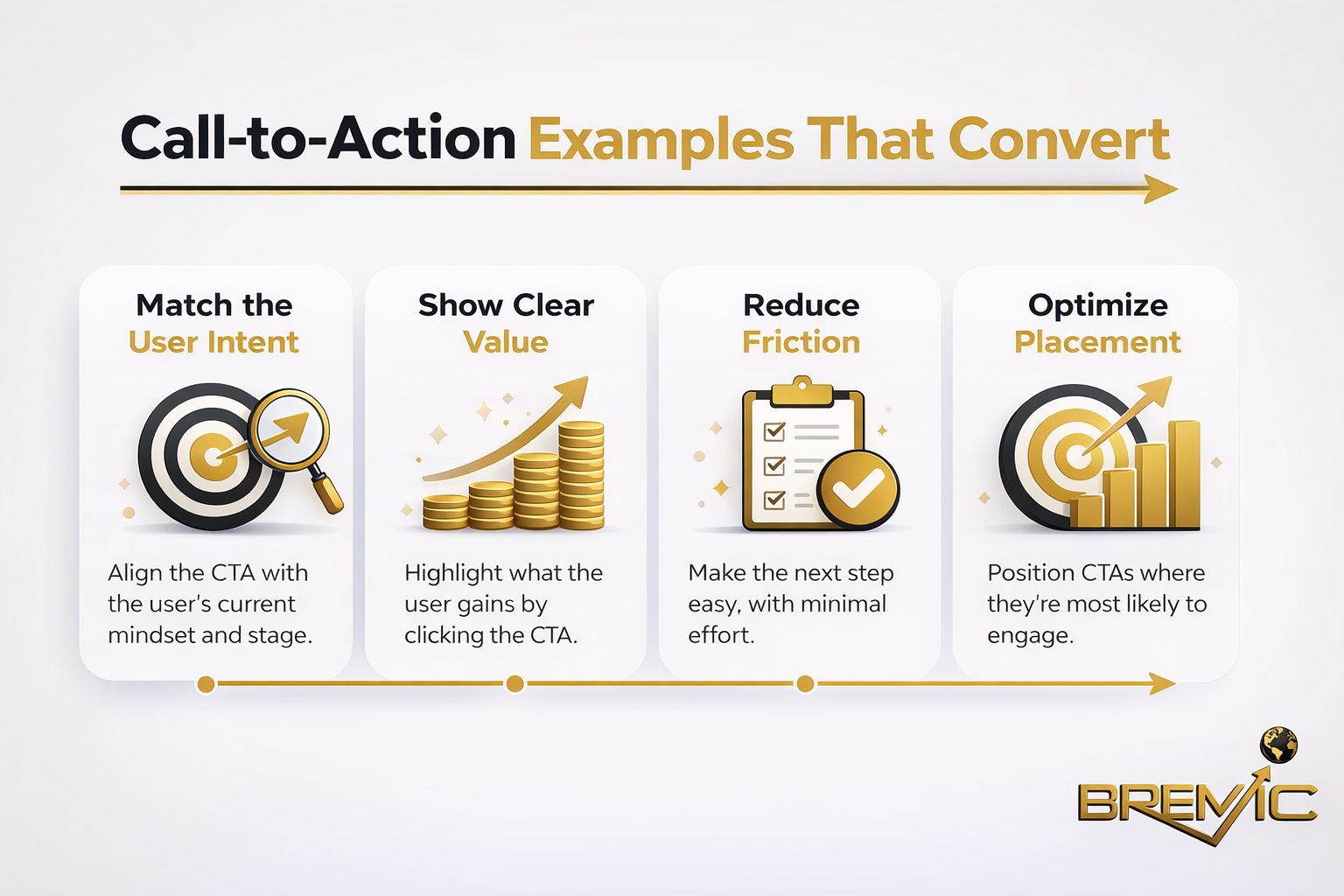
Start with the conversion path before you scale the campaign. That means defining what counts as a real business outcome, building or choosing a landing page that directly matches intent, and confirming that tracking works end to end.
Then structure campaigns around clear themes. Group keywords by intent and offer, not just by rough topical similarity. Make sure the ad promise is visible again on the landing page, ideally within the first screen.
It is also smart to treat early campaigns as a validation phase rather than a scale phase. In that period, the goal is not to maximize volume immediately. It is to verify that search intent, message, page, and tracking are aligned well enough to support future growth.
If your site has a pillar-and-cluster model, this article should connect naturally to related internal content on keyword research, landing page optimization, conversion tracking, Quality Score, and paid vs organic search strategy. Those supporting pages help reinforce topical authority while also guiding readers deeper into the subject.
Timing and expectations
Results in Google Ads can appear quickly, but reliable conclusions usually take longer than businesses expect. Early data can tell you whether you are attracting clicks, but it takes more time to judge lead quality, conversion efficiency, and whether the account is learning from the right signals.
That is why patience should not mean passive waiting. It should mean structured evaluation. In the first phase, you are looking for signal quality, not just volume. Once that foundation is strong, optimization becomes far more effective and far less expensive.
Businesses often expect Google Ads to produce clarity immediately. In reality, it produces clarity only when the system around it is set up well enough to interpret the data.
Conclusion
The most common Google Ads mistake is not a tactical detail. It is launching campaigns before the conversion system is ready to support them.
That mistake leads businesses to misread performance, overspend on low-value traffic, and make decisions based on incomplete signals. A stronger approach starts with alignment: search intent, ad message, landing page relevance, and trustworthy conversion tracking.
That is the real foundation of effective Search Engine Marketing (SEM). When those elements work together, Google Ads becomes more than a paid traffic channel. It becomes a disciplined acquisition system that can support sustainable growth, better decision-making, and stronger overall search performance.