Whether you are launching a new site or trying to improve an existing one, it is reasonable to ask: does hosting affect SEO in any meaningful way?
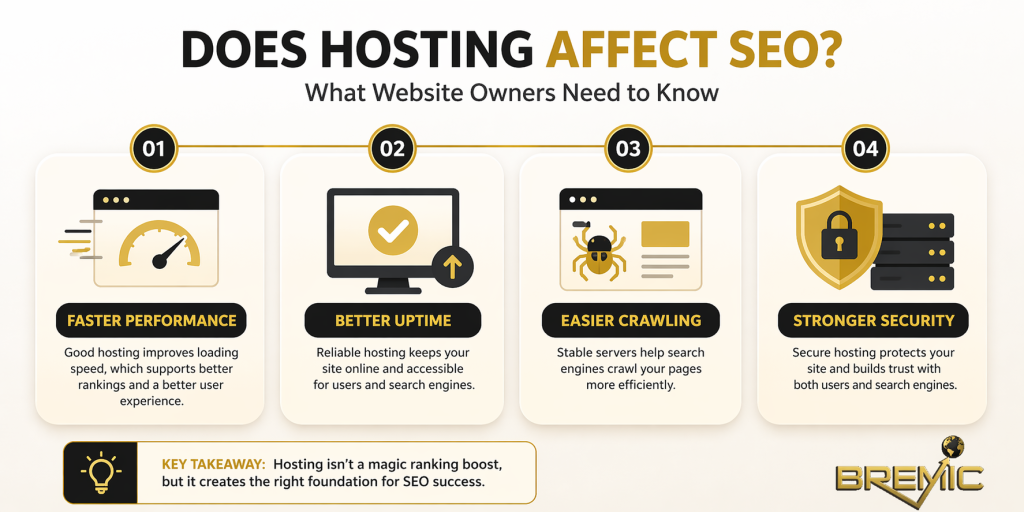
The short answer is yes, but not in the simplistic way it is often presented. Web hosting is not a direct ranking factor in the sense that Google rewards one host over another. What hosting does affect is the technical environment your website runs on, and that environment can influence crawlability, speed, uptime, security, and overall user experience. Those factors absolutely matter for search performance.
This is where many site owners get misled. Hosting is sometimes marketed as an SEO shortcut, as if switching providers will suddenly produce higher rankings. In reality, hosting supports SEO by removing technical friction. Good hosting helps search engines access your site efficiently and helps users interact with it smoothly. Poor hosting creates avoidable problems that can hold back otherwise strong content and site architecture.
This article explains where Web Hosting genuinely matters for SEO, where people tend to overstate its impact, and how to make practical hosting decisions that support long-term organic growth.
What Is Web Hosting?
Web Hosting is the service that stores your website files and makes them available online when someone visits your domain. Every page, image, script, and database request depends on a hosting environment to be delivered correctly.
In practical terms, your host is the infrastructure behind your site. It affects how quickly pages are served, how reliably the site stays online, how well it handles traffic spikes, and how securely it is maintained. Depending on the setup, hosting can include server resources, caching, backups, firewalls, CDN integration, server-level optimization, and technical support.
There are several common hosting types:
- Shared hosting, where many websites use the same server resources
- VPS hosting, which offers more control and reserved resources
- Dedicated hosting, where one server is allocated to one customer
- Cloud hosting, which distributes workloads across multiple servers
- Managed hosting, where the provider handles more of the technical maintenance
From an SEO perspective, the important question is not which hosting category sounds most advanced. It is whether the hosting environment helps your site remain fast, stable, accessible, and secure.
Why Web Hosting Matters for SEO
If you are asking does hosting affect SEO, the key is to understand that hosting influences the conditions under which SEO performance happens.
Site speed and page delivery
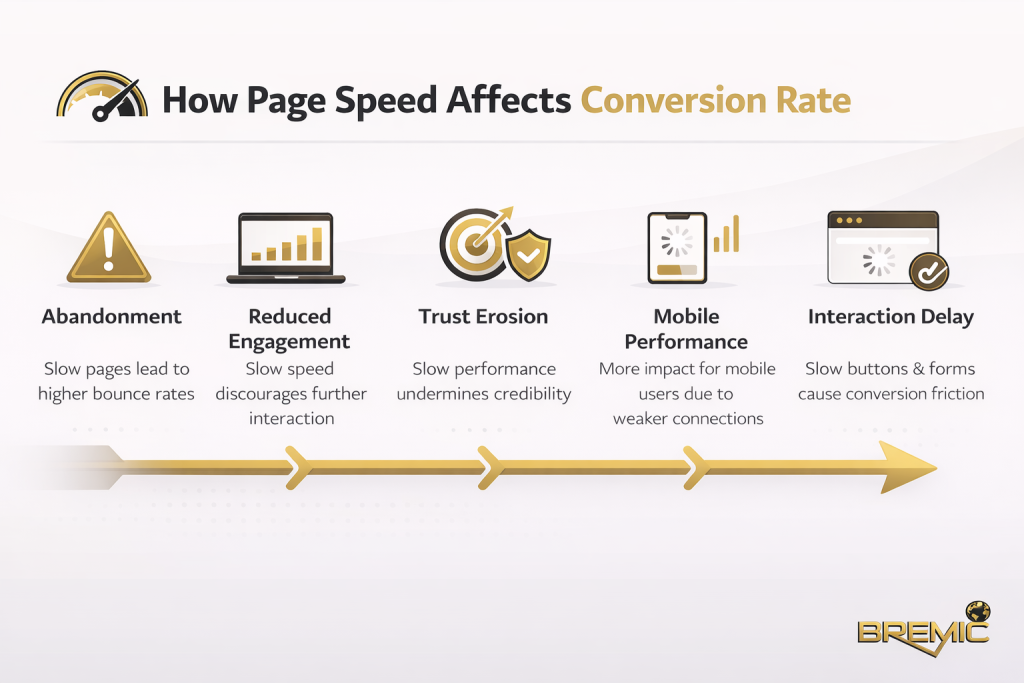
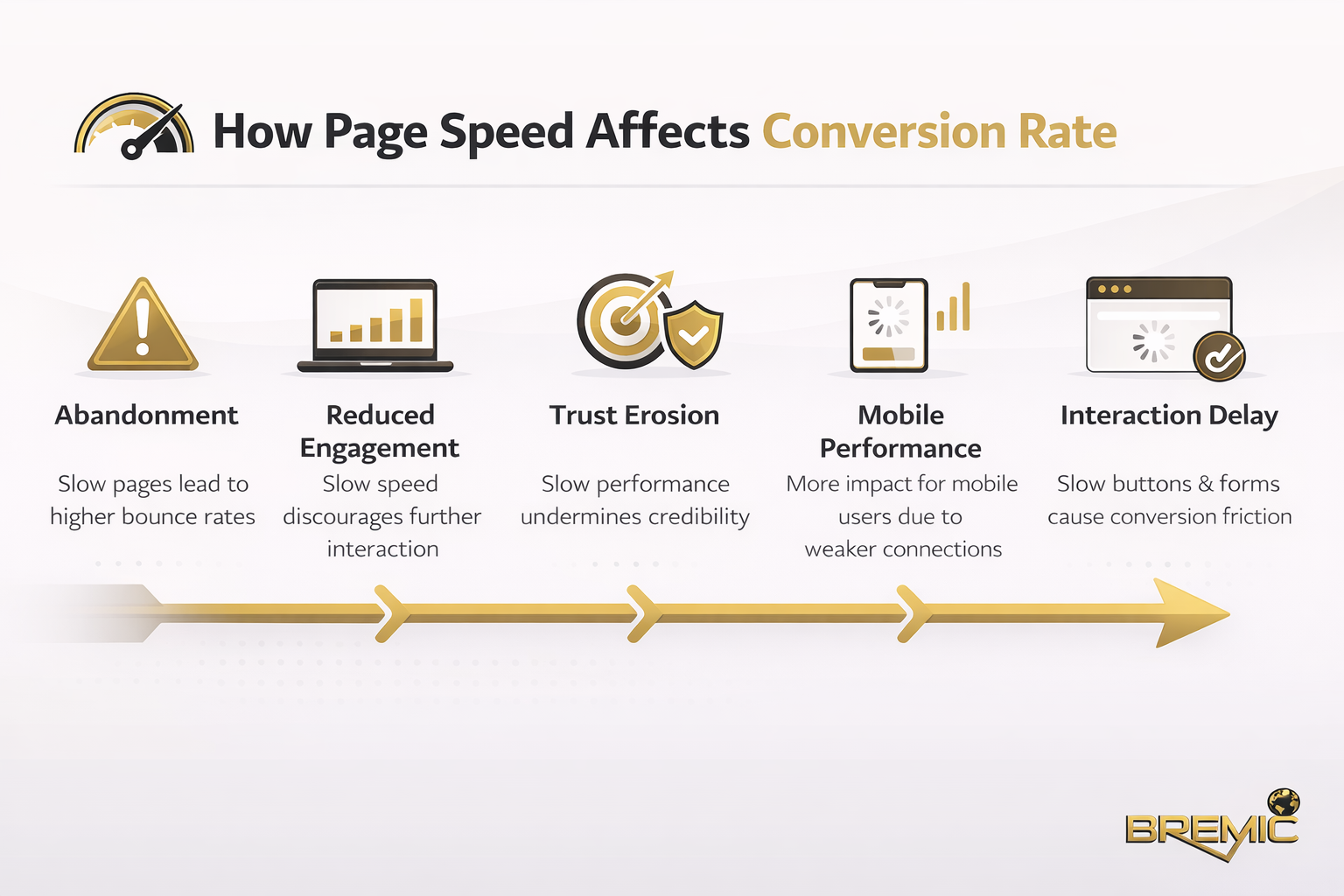
Hosting can affect how fast your server responds when a browser or search engine requests a page. Slow hosting does not automatically mean poor rankings, but weak server performance can contribute to slower load times, especially when combined with unoptimized themes, large media files, bloated plugins, or poor caching.
Google evaluates page experience and site performance as part of the broader quality picture. More importantly, users are less likely to stay on a slow site. A technically sluggish site can reduce engagement, increase abandonment, and weaken conversion performance even if rankings remain stable.
Uptime and reliability
A site that frequently goes offline creates real SEO risk. If search engines try to crawl pages and repeatedly encounter server errors or timeouts, that can interfere with indexing and crawling efficiency. Intermittent downtime also damages trust with users and can disrupt revenue if key landing pages become unavailable.
Reliable hosting reduces the chances of these issues. SEO is not only about helping pages rank. It is also about making sure search engines and users can consistently reach the content you have already built.
Crawl efficiency
Larger sites especially depend on stable server behavior. If a host is slow or overloaded, search engine bots may crawl fewer pages within the available crawl budget. For small websites, this may not be a major issue. For growing sites with many URLs, filters, faceted navigation, or frequent content updates, hosting quality can become much more relevant.
A well-configured server supports cleaner crawling by returning pages quickly and consistently.
Security and trust
Hosting also plays a role in site security. A compromised site can suffer from injected spam pages, malicious redirects, malware warnings, or downtime. These issues can damage rankings, indexing, and brand reputation.
No host can replace proper security practices, but better hosting providers often offer stronger server-level protections, monitoring, patching, and backup systems. That creates a safer technical foundation for SEO.
How Hosting Affects SEO in Practice
To answer does hosting affect SEO properly, it helps to separate direct cause from operational influence.
Hosting is not a magic ranking lever
Google does not rank sites higher simply because they use premium hosting. You cannot buy better rankings through hosting alone. If your content is weak, your site structure is confused, or your topical authority is underdeveloped, changing hosts will not solve the core problem.
This is why hosting should be viewed as an enabling factor, not the strategy itself.
Hosting can remove technical bottlenecks
Where hosting does matter is in reducing problems that undermine SEO performance. For example:
- Slow time to first byte caused by overloaded servers
- Repeated 5xx errors during crawling
- Downtime during peak traffic periods
- Poor server response in certain geographic regions
- Weak security leading to index bloat or hacked pages
These are not theoretical concerns. They are operational issues that affect how search engines and users experience the site.
Hosting works together with other technical SEO factors
A fast server alone does not guarantee a fast page. Front-end performance, image compression, code efficiency, caching, CDN usage, and database optimization all matter too. In the same way, good hosting cannot fix poor internal linking, thin content, or misaligned search intent.
SEO results usually come from systems working together. Hosting is one part of the technical layer that supports those systems.
Important Subtopics
Server location and geographic relevance
People often assume server location strongly determines local SEO performance. That idea is overstated.
For most websites today, server location matters less than it once did, especially when a CDN is in place. Search engines can understand geographic relevance through country targeting, local signals, content, backlinks, language, and business information. A site hosted in one country can still perform well in another market.
That said, server location can still influence latency for users if content is served inefficiently across regions. If your audience is concentrated in one market, your infrastructure should support fast delivery there.
CDN and caching support
A content delivery network helps serve assets from locations closer to the user. Combined with proper caching, this can significantly improve performance consistency. Many hosting providers either include CDN integration or make implementation easier.
For SEO, this matters because it improves the speed and stability of page delivery at scale, especially for image-heavy or globally accessed websites.
Scalability under traffic growth
A site may perform acceptably on low-cost hosting when traffic is small, then struggle once pages begin ranking and attracting visitors. This is one of the more overlooked SEO-hosting connections. Organic growth changes infrastructure demands.
If a hosting environment cannot handle traffic spikes from successful content, rankings may be supported by a poor user experience or even outages. That creates a ceiling on growth.
Common Mistakes
Choosing hosting based on price alone
Cheap hosting is not always bad, but price-led decisions often ignore performance limits, support quality, resource allocation, and reliability. A lower monthly fee can become expensive if it causes downtime, slow pages, or repeated technical interventions.
Blaming hosting for every SEO problem
Not every ranking issue is a hosting issue. Many sites underperform because of weak content strategy, poor keyword targeting, shallow pages, cannibalization, or lack of authority. Hosting matters, but it should be diagnosed in context.
Ignoring server errors and uptime patterns
Some site owners only look at the front-end experience and miss recurring 500 errors, timeout issues, or failed requests logged in monitoring tools. These patterns can affect crawling long before they become obvious in analytics.
Migrating without SEO safeguards
Changing hosting providers can support SEO, but migrations can also create damage if handled poorly. DNS mistakes, broken redirects, downtime, missing assets, blocked staging environments, or accidental noindex tags can all disrupt organic performance.
A hosting move should be treated as a technical SEO event, not just an IT task.
Practical Guidance
If you want hosting decisions to support SEO, focus on outcomes rather than marketing claims.
Start by asking a few practical questions:
- Is the site consistently available?
- Are server response times stable?
- Does performance hold up during traffic peaks?
- Is caching configured properly?
- Is CDN support available where needed?
- Are backups, security, and monitoring in place?
- Does the host provide competent technical support when server-level issues occur?
For a small brochure site, basic hosting may be sufficient if it is stable and well configured. For an e-commerce site, publisher, SaaS company, or content-heavy property, more robust hosting is usually justified because the operational risk is higher.
If your site already ranks but feels technically fragile, hosting is worth reviewing. If your site does not rank and the main issue is content quality or search intent mismatch, hosting is probably not the first fix.
A sensible approach is to audit the full picture:
Review technical performance first
Look at server response times, uptime history, Core Web Vitals context, crawl errors, and hosting-related incidents. That tells you whether hosting is a real bottleneck or just a suspected one.
Improve configuration before replacing providers
Sometimes the problem is not the host itself but weak configuration. Better caching, image optimization, database cleanup, updated PHP versions, CDN setup, and reduced plugin bloat can produce meaningful gains without a full migration.
Upgrade when limits are clear
Move to a stronger hosting setup when you see evidence of resource constraints, instability, or scaling issues. Do it because the environment is holding the site back, not because a provider promised vague SEO gains.
Timing and Expectations
If hosting is causing technical issues, fixing those issues can improve site performance relatively quickly. Search engines may crawl more reliably, users may experience faster pages, and error rates may decline soon after the improvements are in place.
But hosting changes rarely create dramatic SEO gains on their own. The effect is usually indirect and depends on what was wrong before. If the site had serious uptime problems or server errors, the improvement can be meaningful. If the site was already technically sound, switching hosts may produce little visible ranking change.
That is the right expectation to keep in mind. Hosting is part of the foundation. Foundations matter, but they do not replace strategy, content quality, internal linking, or authority building.
Conclusion
So, does hosting affect SEO?
Yes, but mostly through performance, stability, security, and crawlability rather than through any direct ranking bonus. Good Web Hosting supports SEO by making your site easier to access, faster to use, and more resilient as it grows. Poor hosting introduces friction that can weaken results and make every other SEO effort less effective.
The strategic takeaway is simple: treat hosting as infrastructure, not as a shortcut. Choose a hosting environment that matches your site’s size, traffic patterns, and technical needs. Then pair that foundation with strong content, sound site architecture, and a clear search strategy.