Choosing a web design agency is rarely just a design decision. It affects how your brand is perceived, how easily customers can use your site, how well your pages can rank, and how efficiently your business can grow online.
That is why how to choose a web design agency in Thailand is not a minor procurement question. It is a strategic decision with direct implications for visibility, lead generation, trust, and long-term site performance.
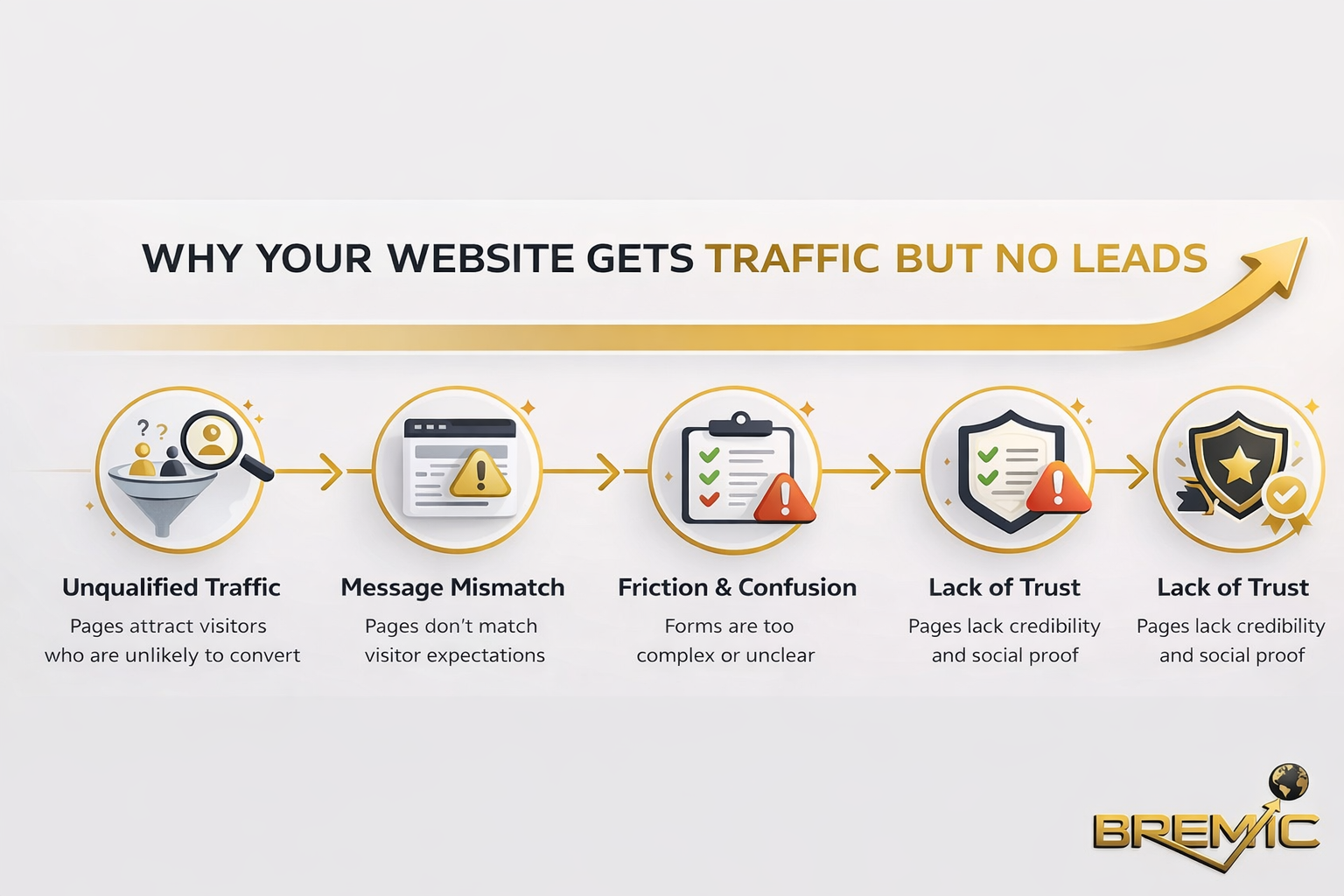
Many businesses make this choice based on surface-level criteria such as portfolio aesthetics, low pricing, or a persuasive sales pitch. That usually leads to a website that looks modern on launch day but struggles with speed, content structure, SEO readiness, or conversion performance a few months later.
A better approach is to evaluate agencies through a broader lens: business fit, technical capability, process quality, and their understanding of how Web Design supports growth. This article explains what to look for, what to avoid, and how to make a decision that holds up beyond the first design presentation.
What Is Web Design?
Web Design is the process of planning and creating the structure, interface, visual system, and user experience of a website. In practice, it is not only about how a site looks. It is also about how information is organized, how users move through the site, how pages perform on mobile devices, and how easily content can be managed and expanded over time.
A strong web design project usually includes several connected layers:
- information architecture
- page layout and content hierarchy
- navigation and user flow
- mobile responsiveness
- visual branding
- conversion-focused design elements
- technical implementation standards
For a business website, good Web Design should make the site clearer, faster, easier to use, and easier to grow. That matters even more when the website is expected to support SEO, paid traffic, lead generation, or multi-language content.
When you hire an agency, you are not simply buying visuals. You are choosing a partner that will influence usability, content structure, technical quality, and often your digital foundation for years.
Why It Matters
A website can fail even when the design looks polished.
That usually happens when the agency treats design as a standalone creative task instead of a business system. A well-designed site should support three things at the same time: user experience, search visibility, and commercial performance.
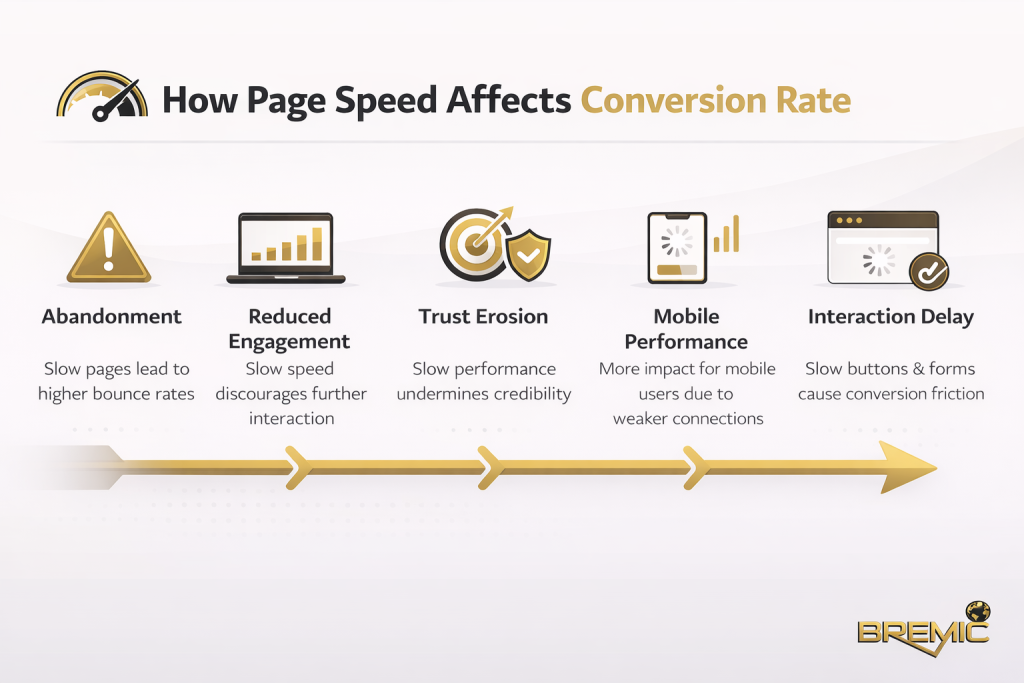
From an SEO perspective, design decisions affect far more than appearance. They influence crawlability, page structure, internal linking opportunities, mobile usability, site speed, and how clearly key topics are presented. If an agency builds a site with weak structure, unclear navigation, or templates that make content hard to scale, your SEO team will spend more time fixing limitations than building authority.
From a conversion perspective, design shapes trust. Users make quick judgments based on clarity, professionalism, usability, and consistency. If the site feels confusing, outdated, or difficult to navigate, the problem is not cosmetic. It is commercial.
This is especially relevant in Thailand, where many businesses need websites that work across different customer expectations, devices, and sometimes languages. A local or Thailand-focused agency does not automatically guarantee quality, but it can be a real advantage if they understand your market, audience behavior, and operational context.
How It Works: How to Choose a Web Design Agency in Thailand
The best selection process starts with your business needs, not the agency’s sales deck.
Start with the business objective
Before you compare agencies, define what the website is supposed to do.
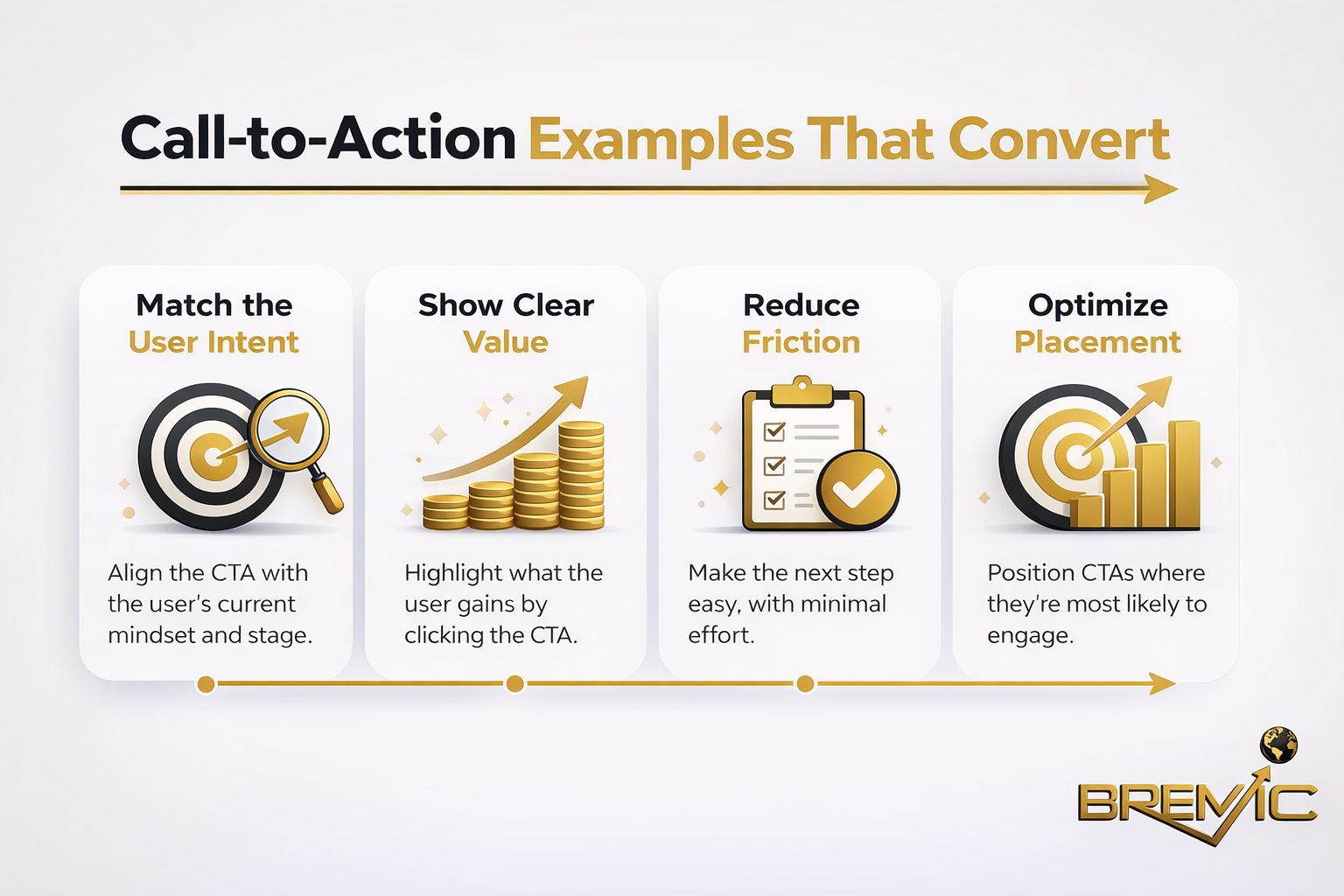
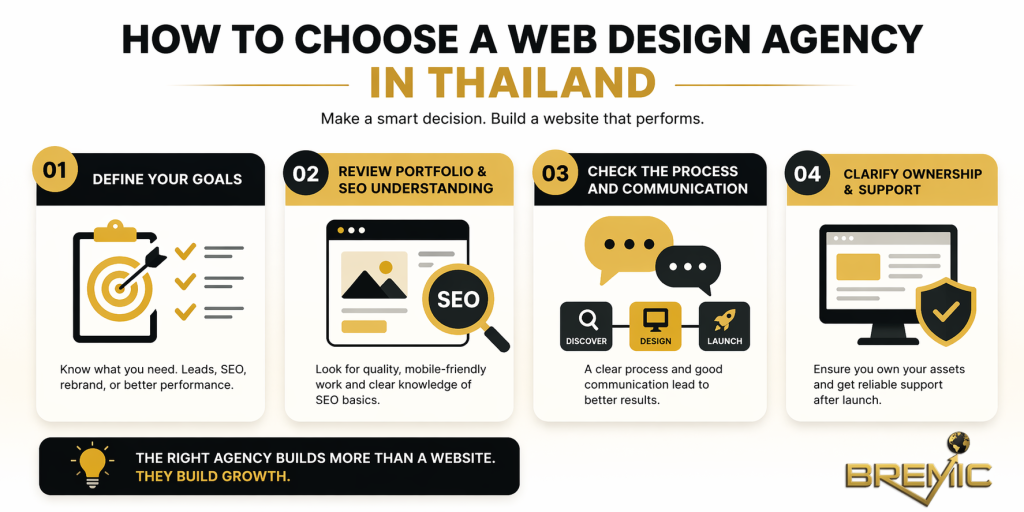
Is the main goal to generate leads, support local SEO, strengthen credibility, improve conversion rate, launch a new brand, or replace an outdated site that is hard to manage? Different goals require different agency strengths.
A B2B company that needs a conversion-focused service website should not evaluate agencies the same way an e-commerce brand or a hospitality business would. If your goal is unclear, you will likely choose based on style rather than fit.
Review portfolio quality, not just visual taste
Most agencies can show attractive mockups. That is not enough.
Look at whether their work shows:
- clear page hierarchy
- strong mobile experience
- readable layout choices
- sensible calls to action
- consistency across templates
- websites that feel built for users, not only for award-style presentation
Ask whether the portfolio includes businesses similar to yours in complexity, not necessarily in industry. A company with multiple services, SEO goals, and ongoing content needs has different requirements from a one-page promotional site.
Also check whether the live websites still perform well in the real world. A beautiful concept file is less relevant than a launched site that loads properly, functions smoothly, and feels credible.
Assess SEO understanding early
If organic search matters to your business, the agency should understand the basics of SEO-friendly site architecture.
That does not mean they need to be a specialist SEO consultancy. It does mean they should be able to work well with SEO requirements such as:
- clean URL structure
- scalable page templates
- heading hierarchy
- internal linking support
- mobile-first layouts
- page speed considerations
- indexable content areas
- proper handling of metadata, schema, and redirects where relevant
A common problem is hiring a visually strong agency that creates rigid templates which look clean but make content optimization difficult. That becomes expensive later.
When thinking about how to choose a web design agency in Thailand, one of the strongest filters is whether the agency can explain how design choices affect search performance and content growth.
Evaluate the process, not just the promise
A reliable agency should be able to explain how a project moves from discovery to launch.
A solid process usually includes discovery, sitemap planning, wireframes, design rounds, development, QA, content population support, and launch preparation. It should also include clear responsibilities on both sides.
Watch for vague proposals that skip strategy and move straight into design concepts. That often means the agency is selling output before understanding the problem.
Good agencies ask good questions. They want to know your audience, offer, positioning, goals, current pain points, and how success will be measured.
Important Subtopics to Consider
Strategy fit matters more than agency size
A larger agency may have more resources, but that does not automatically make it a better fit. Smaller agencies can sometimes offer stronger senior involvement and more direct communication.
What matters is whether the team assigned to your project understands your priorities and has the capability to execute them properly.
Ask who will actually do the work. In some cases, the senior people lead the pitch but junior staff handle most of the delivery.
Local market understanding can be a genuine advantage
A web design agency in Thailand may bring practical local context that overseas teams can miss. That can include language workflow, local business expectations, communication norms, mobile usage patterns, and region-specific content needs.
This is especially useful if your site targets Thai customers, requires Thai and English content, or needs location-specific service pages. If your business serves international audiences from Thailand, the ideal agency may combine local execution practicality with international UX and content standards.
Local presence alone is not enough, but relevant market understanding does reduce friction.
Technical ownership should be clear
Many web projects go wrong because ownership is never clarified.
Before signing, confirm who controls:
- hosting environment
- domain access
- CMS credentials
- design files
- source code
- third-party tools
- maintenance responsibilities after launch
You do not want to discover later that your business is locked into a provider because the handover process was never defined.
Content management is part of design quality
A site that looks good but is difficult to update is not a strong business asset.
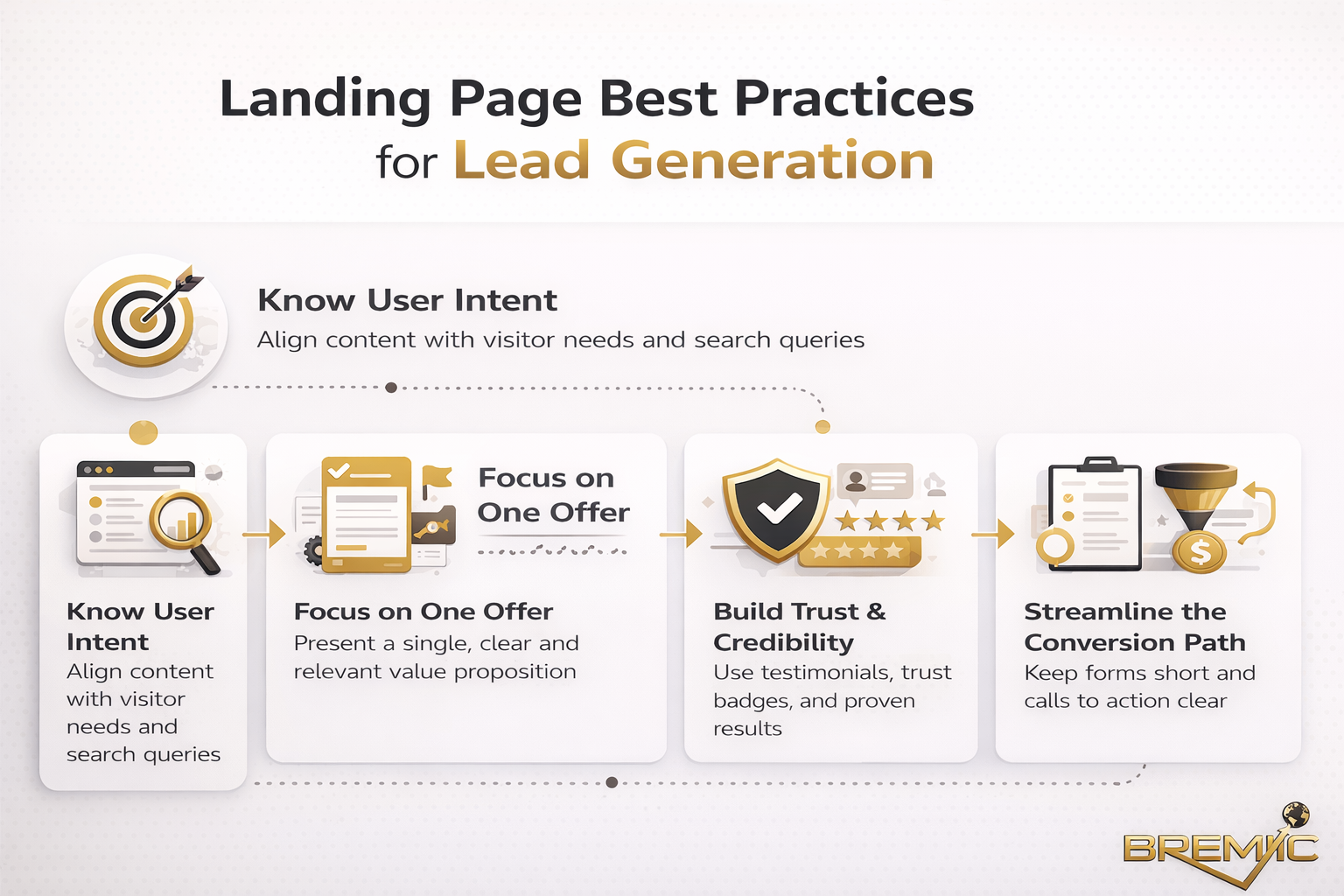
Ask how the CMS is structured, how reusable the page blocks are, and whether your team can add new service pages, articles, or landing pages without breaking the design. This is critical for any site using a pillar-and-cluster content model, because growth depends on publishing and linking new content efficiently.
Common Mistakes
One of the biggest mistakes is choosing based on price alone. A lower quote can become the most expensive option if the site needs to be rebuilt, restructured, or heavily patched after launch.
Another common mistake is overvaluing aesthetics and undervaluing structure. Good visual design matters, but design without clarity, usability, and technical discipline usually underperforms.
Businesses also often fail to ask how the agency handles SEO coordination, content migration, redirects, analytics setup, or post-launch support. These details are not minor. They often determine whether a redesign helps or harms performance.
A more subtle mistake is assuming every local agency understands the same standard of Web Design. Some are strong in branding, some in development, some in marketing, and some mainly in fast brochure-style builds. Those are not interchangeable strengths.
Practical Guidance for Making the Right Choice
A practical way to compare agencies is to score them across a small number of real decision factors:
1. Business understanding
Do they understand your offer, target audience, and commercial goals?
2. UX and design quality
Can they create clear, credible, conversion-aware experiences?
3. SEO and content readiness
Will the site support rankings, internal linking, and future content expansion?
4. Technical reliability
Can they build a fast, responsive, maintainable site with clean handover?
5. Communication and project management
Are they clear, structured, and realistic in how they work?
When you speak with shortlisted agencies, ask for examples of similar project challenges, not just similar industries. Ask what trade-offs they would expect in your project. The quality of their thinking is often more revealing than the portfolio.
A good agency usually sounds measured. They do not promise instant rankings, dramatic conversion lifts, or a flawless process. They explain what they can control, where collaboration is required, and what success depends on.
Timing and Expectations
A professional website project usually takes longer than clients initially expect, especially if strategy, content, approvals, and revisions are handled properly.
A smaller brochure-style site may move relatively quickly. A more strategic website with custom templates, SEO requirements, bilingual content, and stakeholder reviews will take more time. Delays often come not from design production itself, but from unclear scope, slow feedback cycles, or missing content inputs.
You should also expect performance results to happen in stages. A new website can improve trust, usability, and technical quality immediately after launch, but SEO gains usually depend on what happens next: content development, internal linking, refinement, and ongoing optimization.
That is why choosing the right agency matters. You are not only launching a site. You are creating the infrastructure that your marketing will rely on.
Conclusion
Understanding how to choose a web design agency in Thailand means looking beyond visuals and beyond price. The right agency should be able to design a website that works as a business asset: clear for users, sound for SEO, maintainable for your team, and aligned with your long-term growth plans.
The strongest choice is usually not the agency with the flashiest portfolio or the lowest proposal. It is the one that shows strategic understanding, asks serious questions, communicates clearly, and can build a site that performs well after launch, not just during presentation.
Good Web Design is not decoration. It is structure, clarity, trust, usability, and growth support built into the website from the start. When you choose with that standard in mind, you are far more likely to end up with a site that lasts and performs.